Who Could Be Next After Venezuela? US Strategy in the Western Hemisphere

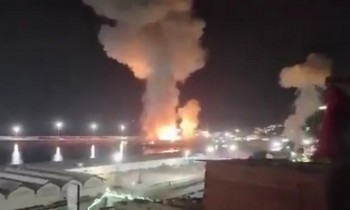 What Comes Next for Venezuela? What Comes Next for Venezuela? After Trump says Nicolás Maduro was captured, the U.S. hints at running Venezuela “until a safe transition.” Here’s what happens next, what’s confirmed, and what’s ... |
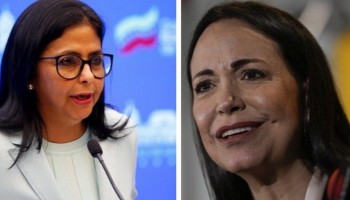 Who Could Be Venezuela’s Next President? Delcy Rodríguez or María Machado Who Could Be Venezuela’s Next President? Delcy Rodríguez or María Machado With Venezuelan President Nicolás Maduro reportedly removed from power, attention has shifted to an urgent and consequential question: who governs Venezuela next? |
 |
| After Venezuela, Who Is Under Washington’s Watch |
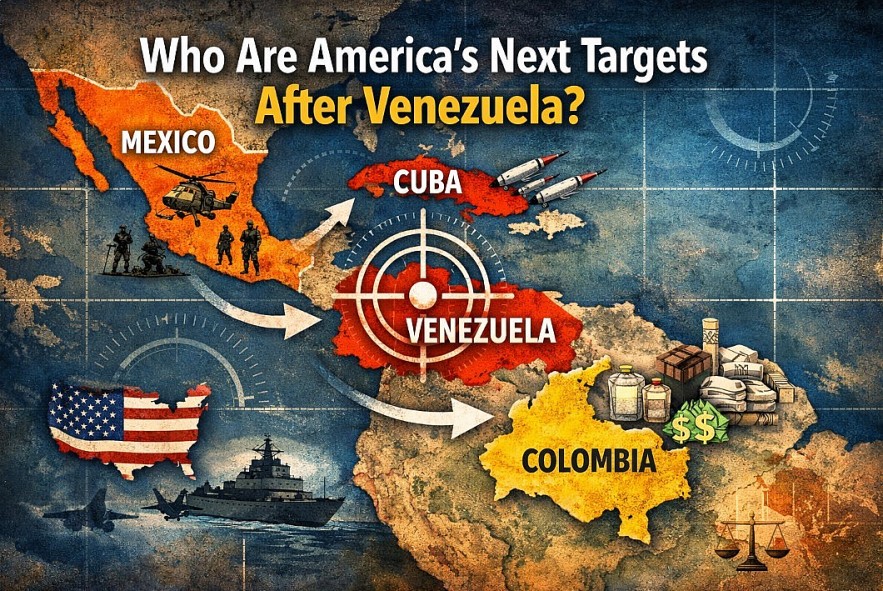
For the administration of Donald Trump, Venezuela was not only about regime accountability, but about restoring American leverage in a region long shaped by migration pressures, drug trafficking, and political instability.
Several countries are now drawing heightened attention.
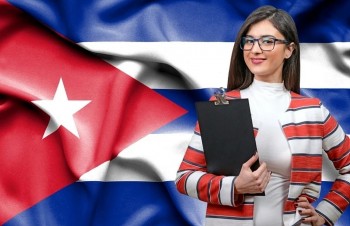
Cuba remains a long-standing concern. US officials argue the Cuban government survives through external lifelines and suppresses political freedoms. Washington’s message emphasizes support for the Cuban people, particularly migrants seeking opportunity in the US, while increasing diplomatic and economic pressure on Havana.
Mexico, though a partner, presents a different challenge. The Trump administration has framed cartel violence and fentanyl trafficking as direct threats to US national security. Public discussion of military cooperation, even if hypothetical, signals growing frustration with the pace of enforcement south of the border.
Colombia, traditionally one of America’s closest allies, has also entered the spotlight. President Gustavo Petro’s criticism of US actions in Venezuela and his stance on drug policy have strained ties. While no intervention is expected, Colombia’s shifting political alignment has not gone unnoticed in Washington.
The broader strategy is clear: assert influence, deter instability, and protect US interests. Whether through sanctions, diplomacy, or legal pressure, the administration is signaling that disengagement from Latin America is no longer an option.