Who Could Be Venezuela’s Next President? Delcy Rodríguez or María Machado

U.S. President Donald Trump signaled over the weekend that Washington is already shaping that answer. Speaking to reporters, Trump said the United States is now working with Venezuela’s vice president, Delcy Rodríguez, while casting doubt on opposition leader María Corina Machado and leaving the door open to other possibilities.
The remarks suggest a fluid, high-stakes transition in which legitimacy, control of institutions, and U.S. leverage may matter more than ideology alone.
Read more:
- Where Is Nicolás Maduro Now? Venezuela’s President and His Wife on Board the USS Iwo Jima
- What Comes Next for Venezuela After Maduro’s Capture?
- How Delta Force Could Have Captured President Nicolás Maduro: Three Most Plausible Scenarios
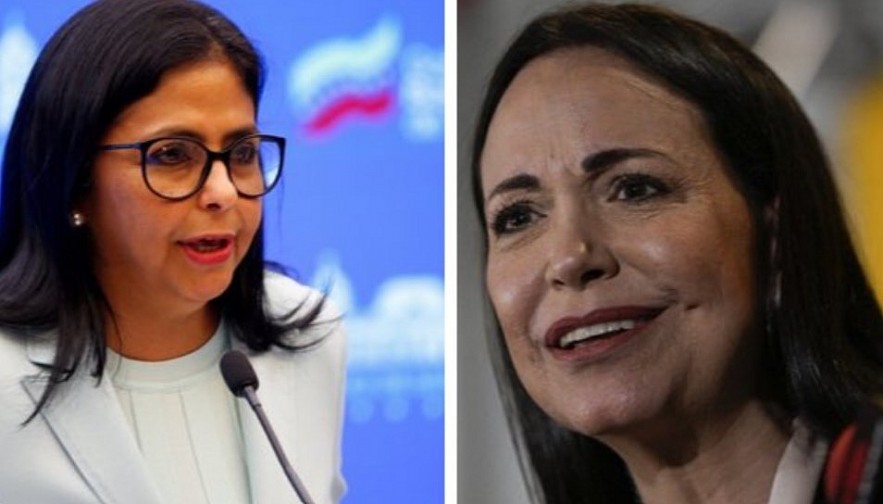 |
| Delcy Rodríguez or María Corina Machado |
Delcy Rodríguez: Continuity With Conditions
Rodríguez, a longtime Maduro loyalist, currently occupies the most powerful position inside the Venezuelan state apparatus. She has deep ties to the military, intelligence services, and the ruling party, and she is one of the few figures capable of maintaining short-term stability.
Trump acknowledged that Rodríguez was “picked by Maduro,” but said she had been sworn in and was now engaging directly with Washington. According to Trump, Secretary of State Marco Rubio held extensive talks with Rodríguez, describing her as willing to cooperate. “She said, ‘We’ll do whatever you need,’” Trump said.
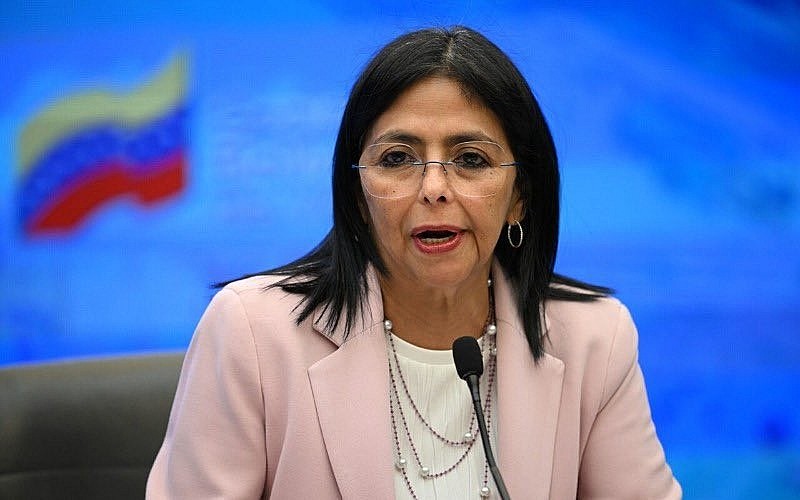 |
| Vice President Delcy Rodriguez |
For U.S. policymakers, Rodríguez represents a pragmatic option: someone who can keep the state functioning while negotiating security, energy, and political concessions. Analysts say Washington may calculate that a controlled transition led by an insider is preferable to a sudden collapse that could trigger violence, mass migration, or internal power struggles.
Yet Rodríguez’s greatest strength is also her weakness. As a central figure of the Maduro era, she faces deep distrust among opposition supporters and international human rights groups. Any move to elevate her could be framed as repackaging the same system, rather than dismantling it.
María Corina Machado: Popular Abroad, Contested at Home
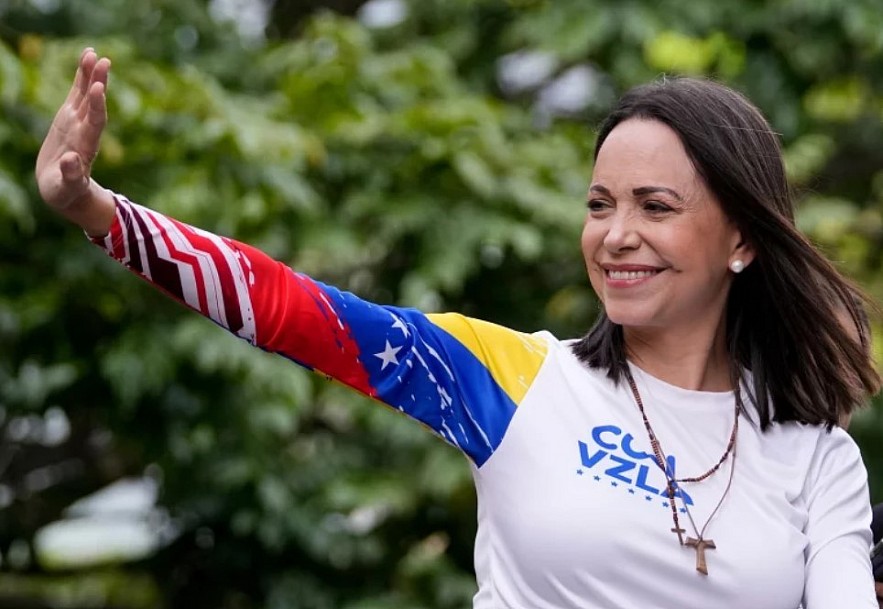 |
| Venezuela's opposition leader María Corina Machado wins 2025 Nobel Peace Prize |
Machado, a former lawmaker and the most prominent face of Venezuela’s opposition movement, has long been favored by many Western governments and democracy advocates. She has been outspoken against Maduro, sanctions-resistant, and unambiguously aligned with U.S. policy goals.
However, Trump was blunt in dismissing her prospects. He said he has not spoken with Machado since Maduro’s capture and questioned her ability to lead. “She doesn’t have the support or the respect within the country,” Trump said, adding that while she is “a very nice woman,” leadership requires broader backing.
Independent analysts note that while Machado commands strong support among the opposition base and the diaspora, she faces institutional barriers inside Venezuela. The military, courts, and state media remain aligned with the old power structure, and her lack of access to those levers could limit her effectiveness in a fragile transition.
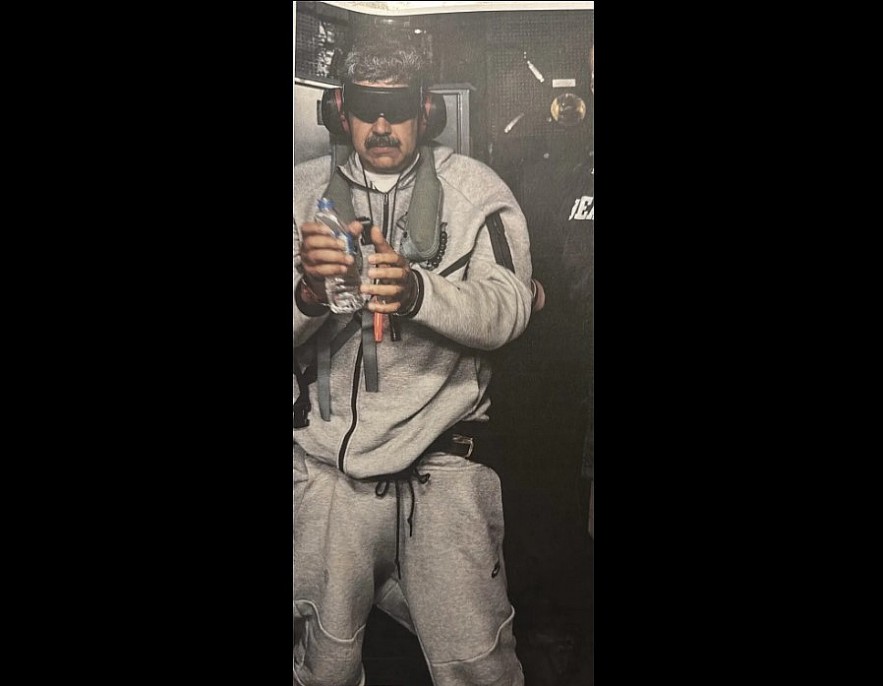 |
| Nicolas Maduro on board the USS Iwo Jima |
A Third Option: A Transitional Figure
Beyond Rodríguez and Machado, U.S. officials may be exploring a third path: a transitional leader or council with tacit American backing. Such a figure could emerge from the military, judiciary, or technocratic class and be framed as a temporary caretaker tasked with organizing elections.
This approach would mirror past U.S.-supported transitions elsewhere, prioritizing stability and compliance over immediate democratic transformation. It would also reduce the political cost of backing either a Maduro insider or a polarizing opposition figure.
Trump’s comments suggest openness to this idea. “We can’t take a chance of letting somebody else run it and just take over what he left off,” he said, implying active U.S. involvement in shaping the outcome.
What Will Decide the Outcome
Ultimately, Venezuela’s next president may be determined less by popularity than by control — of the armed forces, oil infrastructure, and international recognition. The military’s stance, U.S. economic leverage, and regional acceptance will all play decisive roles.
For now, Washington appears to favor influence over ideology, signaling willingness to work with Rodríguez while keeping other options on the table. Whether that leads to a genuine transition or a managed reshuffle remains unclear.
What is clear is that Venezuela’s political future is no longer being decided solely in Caracas — and the next president may emerge as much from negotiation as from election.