When Could the Iran War End? Signals From Trump, Oil Markets, and History

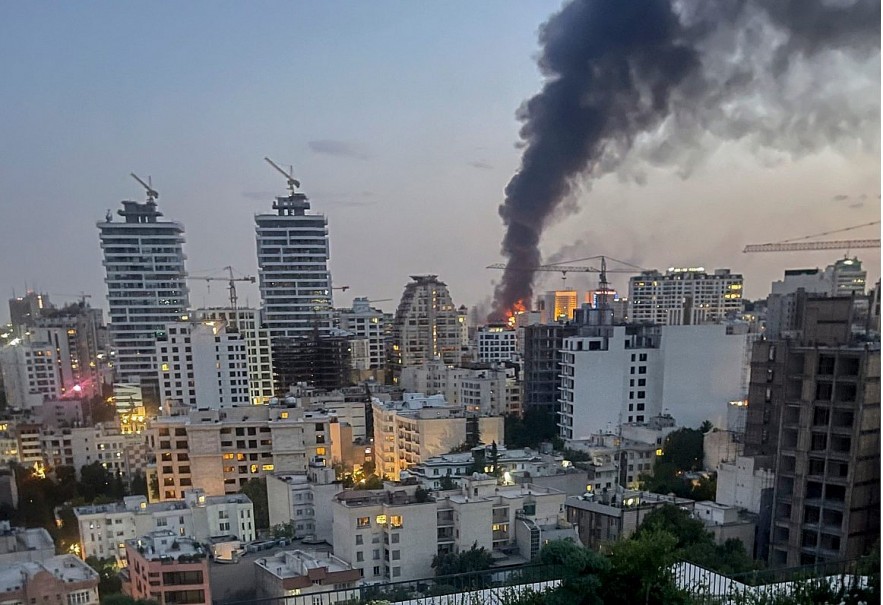 |
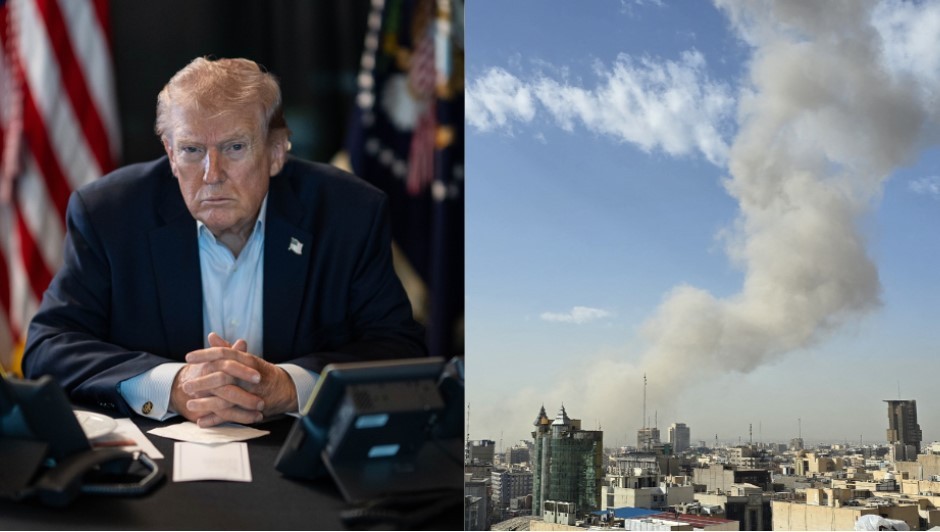
| President Donald Trump said the war was already “very complete” and could end sooner than expected |
The question dominating global politics and energy markets today is simple: when will the Iran war end?
Only days ago, the conflict between the United States–Israel alliance and Iran triggered one of the sharpest oil price shocks in years. Crude surged close to $120 per barrel, as traders feared a prolonged regional war that could disrupt shipping through the Strait of Hormuz, the narrow waterway responsible for roughly 20 percent of global oil supply.
But markets moved just as quickly in the opposite direction.
After President Donald Trump said the war was already “very complete” and could end sooner than expected, oil prices dropped sharply, sliding toward the $80–$83 range. The sudden reversal suggests investors increasingly believe the conflict may not last long.
History, strategy, and economic pressure all point to a similar conclusion: the war is more likely to end in weeks than months.
Read more: How Trump Could End the Iran War Soon: Four Strategic Paths as Oil Prices Collapse
Trump’s Timeline: A Short War, Not a Long Campaign
Trump has repeatedly signaled that the campaign against Iran was never intended to become a prolonged regional conflict.
Earlier statements from the White House suggested the military operation might last four to five weeks. The objective was not regime change or occupation, but rather a limited set of strategic goals:
-
degrade Iran’s missile and drone capabilities
-
weaken naval assets threatening Gulf shipping
-
reestablish deterrence in the region
If those goals are achieved quickly, Washington could declare the mission complete and halt large-scale operations.
That strategy reflects a broader pattern in Trump’s foreign policy: rapid escalation followed by a controlled exit once leverage has been established.
Oil Markets Are Signaling the War May End Soon
Financial markets often react faster than governments.
The spike toward $120 per barrel reflected fears of a worst-case scenario: a prolonged war disrupting shipping through the Strait of Hormuz. At one point, tanker traffic through the corridor slowed dramatically, amplifying concerns about global energy supply.
However, once Trump signaled the possibility of an early end to the war, oil prices reversed sharply.
Such a rapid decline usually means markets believe the crisis will be temporary rather than structural. If investors expected months of conflict, prices would likely remain well above $100.
Instead, the move back toward the $80 range suggests expectations of stabilization in the near future.
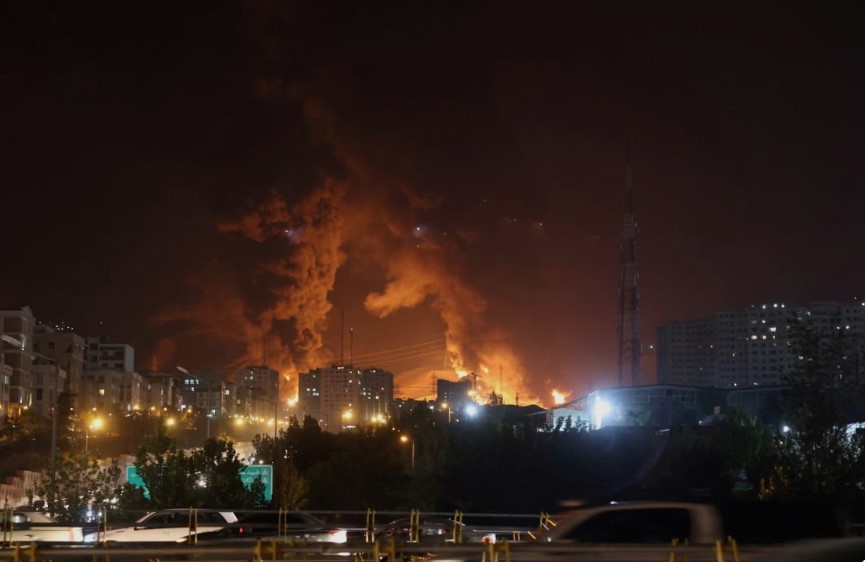
Tehran’s Streets Become Rivers of Fire as Oil Pipelines Explode After Energy Facility Strikes:
Historical Lessons: Most Middle East Wars End Quickly
History also offers useful clues.
Many conflicts in the Middle East have been intense but relatively short when major powers are involved.
Examples include:
-
the 1991 Gulf War, which lasted just over six weeks
-
the 2006 Israel–Hezbollah war, which lasted 34 days
-
several previous U.S. air campaigns in the region that ended within weeks
These wars typically follow a similar pattern: a rapid escalation, followed by diplomatic pressure and eventual de-escalation once key objectives are achieved.
If the current conflict follows that pattern, it would likely conclude within several weeks rather than several months.
Read more: How Big Is Iran Compared With the US, Israel, and Iraq? Size, Maps, and Key Facts
The Strait of Hormuz: The Key Indicator
One of the clearest signals that the war is ending will come from the Strait of Hormuz.
Because the corridor handles a massive share of global oil shipments, disruptions there immediately affect energy markets and global inflation.
If tanker traffic begins returning to normal levels, it will indicate that both sides are quietly reducing escalation.
That development would likely coincide with further declines in oil prices and a broader stabilization of financial markets.
The Most Likely Timeline
Based on current signals from Washington, global markets, and historical precedent, the most realistic timeline could look like this:
Short term (1–2 weeks)
Military operations continue while diplomatic channels quietly expand.
Medium term (3–5 weeks)
Back-channel negotiations lead to a halt in major strikes.
End phase
Shipping through the Strait of Hormuz stabilizes and oil prices settle closer to the $80 range.
At that point, the war could effectively end without a formal peace agreement.
The Bottom Line
Predicting the exact end date of a war is never easy. But several indicators now point in the same direction.
Trump has signaled that the campaign may already be ahead of schedule. Oil markets have reacted as if escalation will be limited. And historical precedent suggests conflicts like this often end quickly once core military objectives are achieved.
If those trends hold, the Iran war may not become the prolonged regional conflict many feared.
Instead, it could end relatively soon — with a strategic pause that allows both sides to claim success while preventing a wider Middle East war.