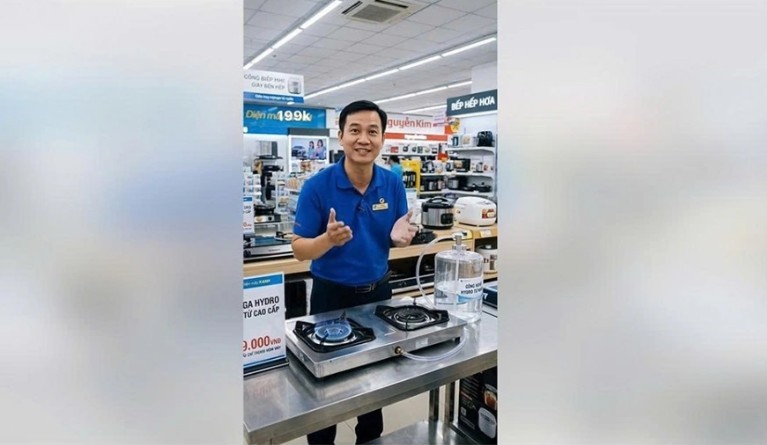
Gas Price Scams Are Rising in the U.S. - From Fake Bills to “Water-Powered” Devices

Over the past year, U.S. authorities and utility companies have reported a noticeable increase in fraud tied to gas, fuel and electricity bills. Some scams are familiar, like fake utility calls. Others feel new, like viral videos promoting “water-powered stoves.”
But look closer, and they all follow the same pattern: promise savings, create urgency, and push people to act fast.
Read more: The “Water-Powered Gas Stove” Scam Isn’t New - It’s Just Getting Smarter
How to protect yourselfA few simple checks can prevent most of these scams: Never rush payments under pressure Only use official websites or numbers from your bill Avoid clicking on ads for bill payments Be skeptical of products that promise unrealistic energy savings Never share sensitive information over unexpected calls These habits are simple, but they are effective. |
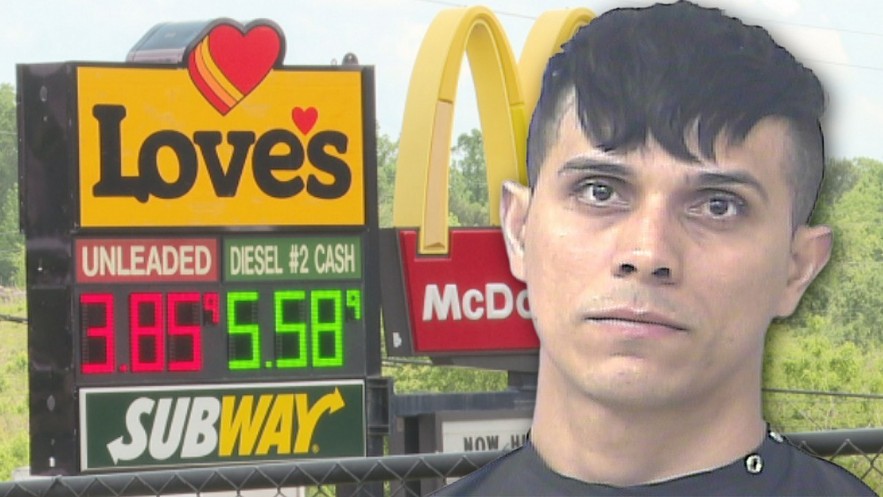 |
| While everyone else pays premium, deputies say one man tried a discount—stolen diesel via fraud‑encoded gift cards—until his scheme ran on fumes |
A surge in utility-related scams
One of the clearest warning signs comes from major energy providers.
In 2025–2026, Pacific Gas and Electric Company reported:
- Nearly 24,000 scam attempts in a single year
- More than $300,000 in customer losses
These aren’t isolated incidents. Across the U.S., utility scams remain one of the most common forms of fraud.
How these scams work
Victims typically receive:
- A phone call
- A text message
- Or an email
The message is urgent:
Your gas service will be shut off today unless you pay immediately.
Scammers then demand payment through:
- Gift cards
- Zelle or Venmo
- QR codes or unofficial links
The pressure is intentional. It’s designed to override hesitation.
Read more: Day vs Night Gas: Does Timing Really Affect How Much Fuel You Get?
A newer threat: fake ads and search results
Another growing risk is harder to spot.
In 2026, Duke Energy warned about scam ads impersonating its brand on Google and social media.
What happens in these cases
- A user searches: “pay gas bill” or “customer service”
- A sponsored ad appears at the top
- The ad leads to a fake website or phone number
From there, scammers take over the interaction.
What makes this dangerous is that victims are not being careless. They are actively trying to pay a legitimate bill.
Night vs Day Fueling: Are You Losing Money Without Knowing It?
Not just online: scammers are showing up in person
Some cases go even further.
Utility companies, including Pacific Gas and Electric Company, have warned about scammers:
- Knocking on doors
- Claiming to be utility workers
- Asking to see bills or request payment
In some reports, scammers target small businesses during busy hours, when staff are more likely to pay quickly without verification.
The return of “miracle energy” products
Alongside these direct scams, another trend is spreading rapidly online: fake energy-saving devices.
This includes:
- “Water-powered stoves”
- “Fuel-saving gadgets”
- “Hydrogen boosters” for cars
These claims are not new.
The Federal Trade Commission has previously taken action against products that promised dramatic fuel savings without scientific evidence. In past cases, devices claimed to increase mileage by 20% to 50%—claims regulators said were simply not true.
What’s different now
Today, these scams are:
- Packaged as short, viral videos
- Enhanced with AI-generated visuals
- Backed by fake comments and engagement
The “water-powered stove” trend fits perfectly into this category. It looks convincing, spreads quickly, and targets people worried about rising costs.
Why these scams are increasing now
There’s a clear reason behind the timing.
When gas and energy prices fluctuate:
- People become more price-sensitive
- They actively look for alternatives
- They are more likely to click, search, and respond
Scammers follow that behavior closely.
This isn’t random. It’s strategic.
What all these scams have in common
Whether it’s a fake phone call or a viral product video, the structure is almost identical:
- A problem: high gas or energy costs
- A promise: cheaper, faster, easier solution
- A trigger: urgency or fear
- A shortcut: skip verification and act now
Once you see the pattern, it becomes easier to recognize.
Final takeaway
The scams themselves are not new.
What has changed is how they are delivered—through search ads, social media, AI-generated videos, and more convincing impersonation.
From fake utility calls to “water-powered” devices, the message is always the same:
If it promises to solve rising energy costs instantly, it’s probably trying to take advantage of them instead.