Africa’s Talent Return: The Nationality-Switch Wave Before World Cup 2026

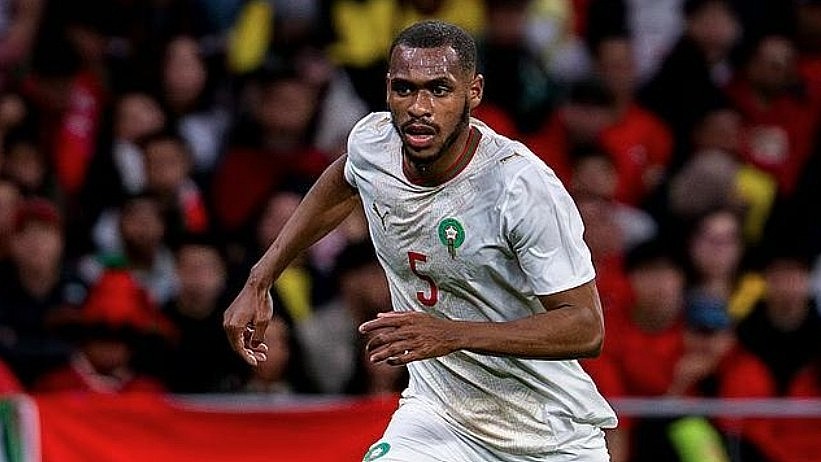 |
| Diop has turned down the chance to play for France in order to feature at the 2026 World Cup with Morocco. |
As the 2026 World Cup approaches, a growing number of players developed in Europe are choosing to represent African national teams. Some of these decisions have been years in the making. Others happened quickly, almost unexpectedly.
But together, they form a pattern.
This isn’t just a trend anymore. It’s a strategy.
Read more: Who Is Arthur Okonkwo? From England Prospect to Nigeria’s Option
Why 2026 Is Different
The expanded World Cup format has altered the landscape.
More teams. More slots. More realistic chances.
For African nations, that means:
- Greater belief in qualification
- Stronger incentive to recruit dual-national players
- Less hesitation in making bold selection decisions
For players, the calculation is equally clear.
Stay and compete in an overcrowded European system… or take a central role in a national team that actually needs you.
For many, the answer is becoming easier.
Morocco: The Blueprint
No team has executed this strategy better than Morocco national football team.
After their historic 2022 World Cup run, Morocco didn’t slow down. They doubled down.
Key addition: Issa Diop
- Born and developed in France
- Long linked with a future in the French national team
- Now committed to Morocco
At 29, Diop isn’t a prospect. He’s an upgrade.
His Premier League experience adds immediate value to Morocco’s defense. More importantly, his decision sends a message: Morocco is no longer a second choice.
It’s a destination.
Senegal & Ivory Coast: Competing for the Same Pool
Senegal’s approach
Senegal national football team moved quickly to secure Mamadou Diakhon, a winger developed in France.
He represents a familiar profile:
- Technically trained in Europe
- Still early in his career
- Flexible in international choice
For Senegal, this isn’t just about one player. It’s about maintaining depth in a squad that already expects to compete.
Ivory Coast’s statement move
Ivory Coast national football team convinced Elye Wahi to switch allegiance.
This one feels bigger.
Wahi isn’t just a squad option. He’s a forward with the potential to change games.
And in tournament football, that kind of player can define entire campaigns.
Egypt & Tunisia: Different Timing, Same Goal
Egypt’s long-term thinking
Egypt national football team introduced Haissem Hassan, a European-born midfielder with technical quality.
With Mohamed Salah not always available, Egypt is clearly preparing for the future.
Tunisia’s late but meaningful move
Tunisia national football team secured Rani Khedira.
At 32, this isn’t about long-term development.
It’s about experience. Stability. Leadership.
And maybe something else: timing.
Because sometimes players don’t choose a national team early. They choose it when the moment feels right.
Algeria: Quiet but Consistent
Algeria national football team have taken a more understated approach.
Players like Adil Aouchiche and Fares Ghedjemis may not dominate headlines, but they fit a clear pattern:
- European training
- Tactical flexibility
- Immediate squad value
Not every recruitment move needs to be loud to be effective.
More Than a Shortcut
It’s easy to reduce this trend to one idea: players choosing Africa because Europe is too competitive.
That’s part of it. But not all of it.
There’s also:
- Identity
- Family influence
- A sense of belonging
For some players, the switch isn’t a fallback.
It’s a return.
What This Means for World Cup 2026
This wave could reshape how African teams perform.
Because the difference is no longer just talent.
It’s experience.
- Players trained in top European leagues
- Tactical awareness at elite level
- Comfort under pressure
Combine that with traditional strengths like physicality and resilience, and the ceiling rises.
Significantly.
Final Thought
For years, African football has exported talent.
Now, it’s bringing some of it back.
Not all of it. Not even most of it.
But enough to matter.
And by the time the 2026 World Cup begins, this quiet shift might become one of the tournament’s defining stories.
Not just about who qualifies.
But about who arrives ready.