How Trump Could End the Iran War Soon: Four Strategic Paths as Oil Prices Collapse

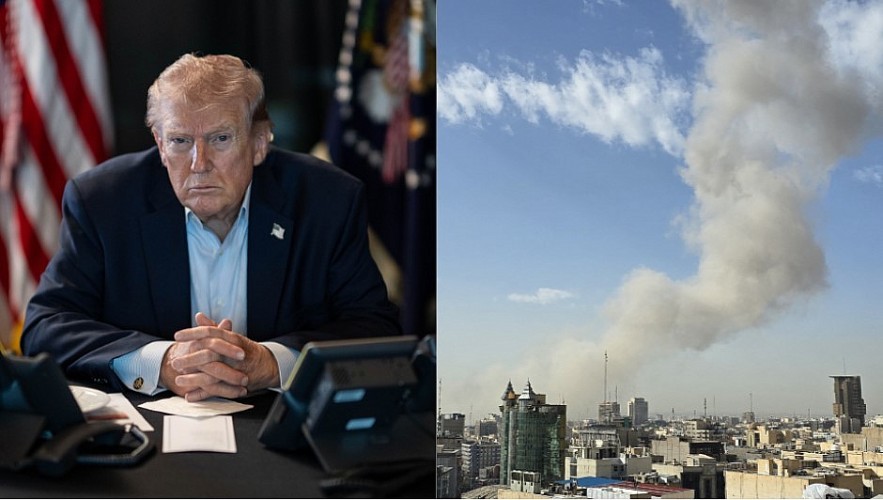 |
| US President Donald Trump says the US-Israel war on Iran could be a “short-term excursion” |
The Iran War’s Sudden Turning Point
For several days, the war between the United States–Israel alliance and Iran appeared to be escalating toward a wider regional confrontation. Oil markets reacted accordingly. Crude prices surged nearly 30 percent, briefly approaching $120 per barrel, as traders feared a prolonged conflict that could shut down the Strait of Hormuz, the narrow waterway through which roughly one-fifth of global oil supply flows.
Then the tone from Washington changed.
President Donald Trump said the war was already “very complete” and ahead of schedule, signaling that the White House may be looking for an exit rather than preparing for a prolonged military campaign. Markets immediately recalibrated their expectations. Oil prices reversed sharply and fell back toward the $80–$83 range, one of the fastest geopolitical price corrections in recent years.
The abrupt shift highlights a central question now shaping both diplomacy and financial markets: how exactly might Trump end the Iran war?
Four strategic scenarios stand out as the most plausible.
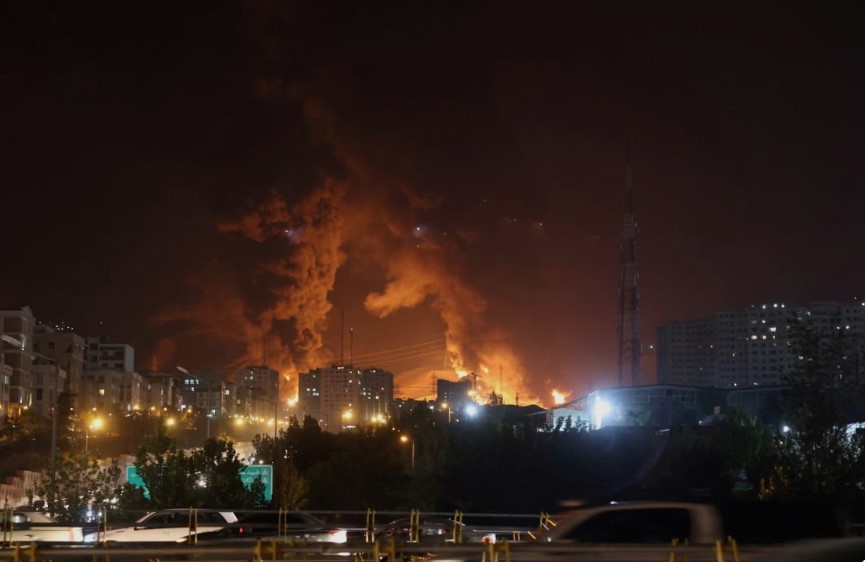
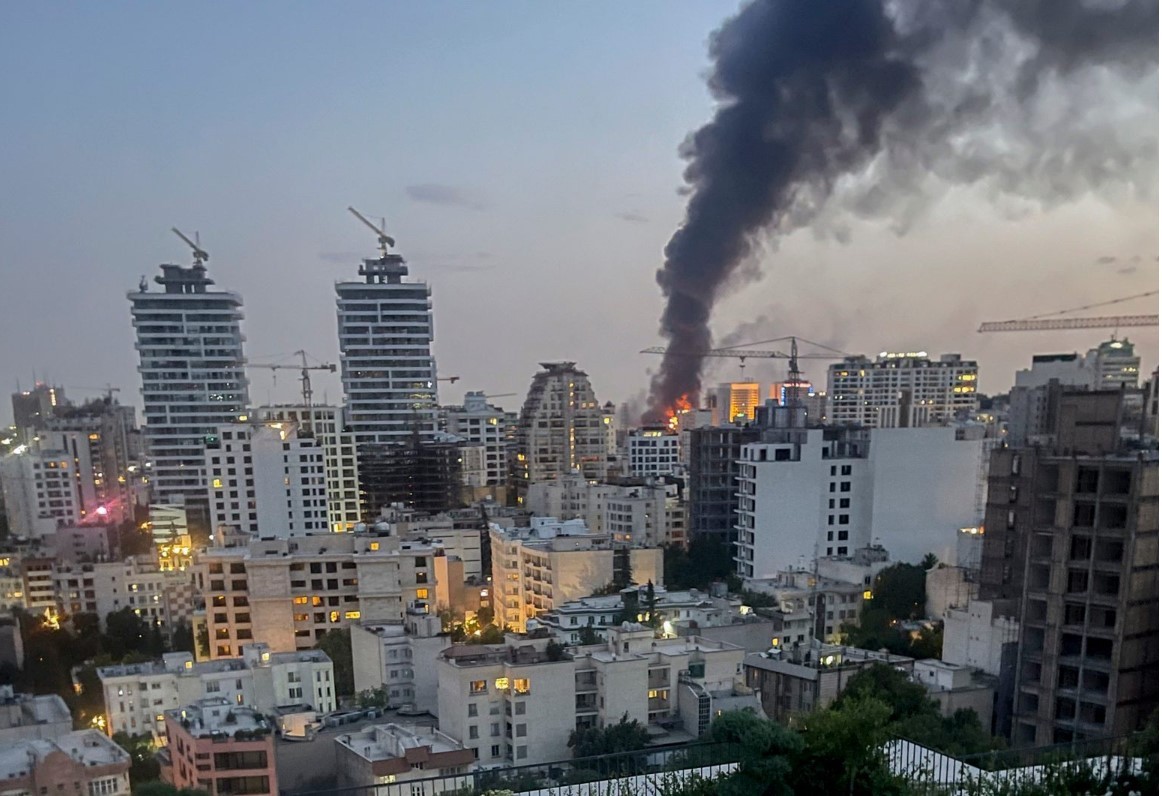
Tehran’s Streets Become Rivers of Fire as Oil Pipelines Explode After Energy Facility Strikes:
Read more: When Could the Iran War End? Signals From Trump, Oil Markets, and History
Scenario One: A “Victory Exit” After Limited Military Objectives
The most likely outcome is a controlled ceasefire framed as a decisive military success.
From Washington’s perspective, the war has already achieved several strategic goals. U.S. and Israeli strikes have targeted Iran’s missile infrastructure, naval assets, drone facilities, and command networks. Even limited damage to these systems can alter the regional balance by raising the cost of future Iranian aggression.
In this scenario, Trump declares that the campaign’s core objectives have been achieved:
-
Iran’s military capabilities significantly degraded
-
missile and drone infrastructure disrupted
-
regional deterrence restored
The United States then halts major offensive operations while maintaining the ability to strike again if Iran resumes attacks.
Politically, this approach fits Trump’s governing style. He has often favored short bursts of overwhelming pressure followed by a dramatic declaration of success.
Economically, it also aligns with market expectations. The rapid fall in oil prices suggests investors increasingly believe that the conflict will stop short of becoming a prolonged war.
A “victory exit” allows Trump to claim strategic success while avoiding the risks of deeper regional escalation.
Read more: How Big Is Iran Compared With the US, Israel, and Iraq? Size, Maps, and Key Facts
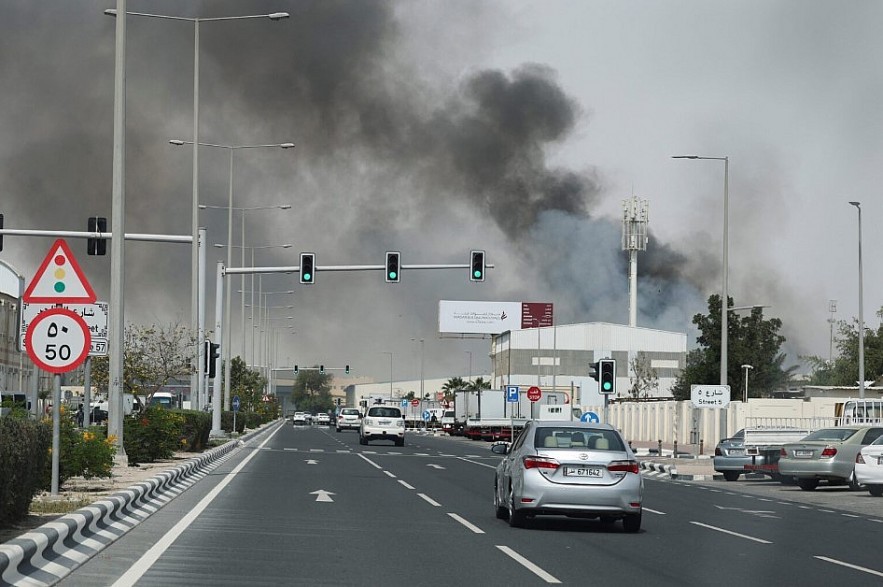 |
| Iranian missile attacks as seen from Doha, Qatar |
Scenario Two: Quiet Diplomacy Through Regional Intermediaries
Wars rarely end through televised announcements. More often they conclude through back-channel diplomacy.
Several regional actors have both the ability and the incentive to mediate a settlement:
-
Oman
-
Qatar
-
the United Arab Emirates
-
Turkey
These states maintain communication channels with both Washington and Tehran and have historically played intermediary roles in regional crises.
Under this scenario, negotiations occur quietly while military pressure continues. The eventual outcome might involve:
-
a halt to U.S.–Israeli airstrikes
-
Iranian commitments not to disrupt shipping lanes
-
reduced proxy attacks by Iranian-aligned groups
Importantly, such agreements are often intentionally ambiguous. Both sides need to present the outcome as a victory to domestic audiences.
For Washington, the message would be that military pressure forced Iran to step back. For Tehran, the narrative would emphasize resilience in the face of Western pressure.
Ambiguous settlements have ended many Middle Eastern conflicts before.
Scenario Three: Economic Pressure Forces De-Escalation
The third scenario is driven less by military strategy than by global economic pressure.
The Iran war triggered a shock across energy markets. Oil prices briefly surged toward $120 as shipping through the Strait of Hormuz became uncertain. Tanker traffic slowed dramatically, and governments began discussing emergency measures to stabilize supply.
A prolonged disruption to Hormuz would have serious consequences:
-
rising global inflation
-
higher transportation and manufacturing costs
-
increased financial market volatility
Major energy importers such as China, India, Japan, and European economies rely heavily on oil shipments from the Gulf. Sustained disruptions would pressure governments around the world to push for rapid de-escalation.
Trump is acutely aware of the political impact of energy prices. His own remarks acknowledging that oil prices were “a little high” suggest that stabilizing markets may already be part of the administration’s calculation.
In this scenario, the war ends partly because economic costs begin to outweigh strategic gains.
Read more: Inside Iran’s Nuclear Fortress Fordow: The Truth About the Mountain-Deep Centrifuge Halls
Scenario Four: Political Shock Inside Iran
The final scenario involves developments inside Iran itself.
The conflict has already intensified political tensions within the Iranian leadership following the death of Supreme Leader Ali Khamenei and the rise of Mojtaba Khamenei. Leadership transitions during wartime are historically unstable.
Two outcomes are possible.
First, the new leadership could prioritize regime stability and reduce confrontation with the United States. Facing economic pressure and military losses, Tehran might quietly scale back its activities.
Second, hardliners could escalate the conflict to demonstrate strength and consolidate domestic legitimacy.
Because Iran’s internal politics are opaque, this scenario remains the most unpredictable. Yet internal leadership shifts have often played decisive roles in how geopolitical conflicts evolve.
If Tehran concludes that escalation threatens regime survival, negotiations could follow quickly.
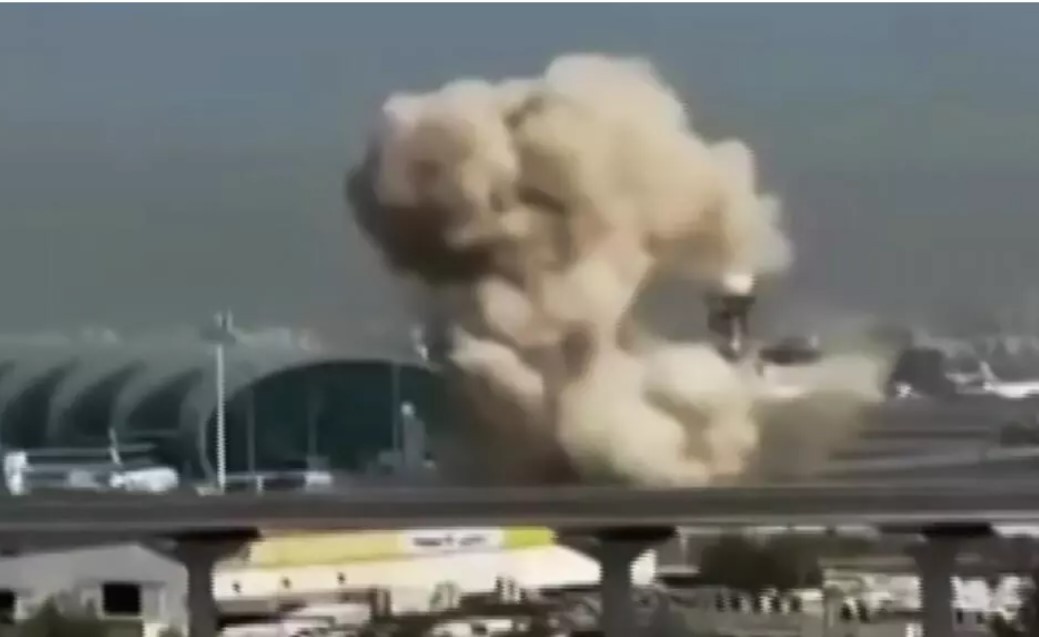
Tel Aviv Devastated by Iranian Missile and Drone Attacks:
Why Trump Likely Wants the War to End Soon
Several strategic pressures point toward a relatively short conflict.
Economic risk
Oil prices approaching $120 threaten global inflation and economic stability.
Energy security
The Strait of Hormuz is one of the world’s most critical energy arteries.
Domestic politics
Short conflicts with clear outcomes are easier to defend politically than long, uncertain wars.
Market expectations
The rapid fall in oil prices toward the $80 range suggests investors expect de-escalation rather than escalation.
Together, these factors create strong incentives for Washington to pursue an exit strategy.
Read more: Nuclear Sites in Iran: Latest Discoveries, Strategic Threats & Military Options
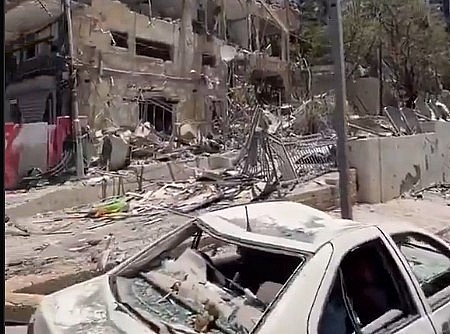 |
| Iran Missile and Drone Strikes Cause Casualties and Damage in Tel Aviv |
The Most Probable Outcome
The Iran war is unlikely to end with a formal peace treaty.
A more realistic scenario is a carefully managed de-escalation.
The likely sequence could unfold as follows:
-
Washington declares major military objectives achieved.
-
Back-channel diplomacy reduces retaliatory attacks.
-
Shipping through the Strait of Hormuz gradually resumes.
-
Oil prices stabilize closer to the $80 range.
At that point, the conflict could effectively wind down without a dramatic announcement.
For global markets and geopolitical observers, the message is increasingly clear: the war may end not through a sweeping diplomatic breakthrough, but through a strategic stopping point that allows Trump to claim victory while preventing a wider regional conflict.