Iran Fires Cluster-Munition Ballistic Missiles at Tel Aviv




 |
| Iran Missile Strike on Tel Aviv Raises Concerns Over Cluster Munitions |
Iran launched a new wave of ballistic missile attacks targeting central Israel, including the Tel Aviv area, raising concerns about the use of cluster-munition warheads and the growing challenge for missile defense systems.
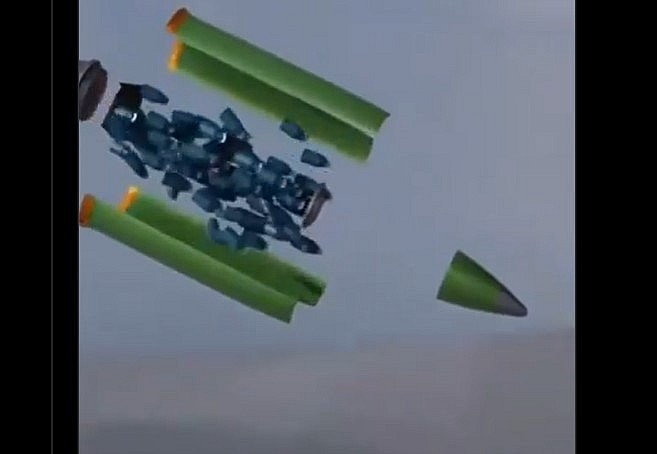
According to Israeli military assessments and media reports, several missiles fired by Iran carried cluster munitions, a type of warhead designed to split open in midair and release multiple smaller explosives known as submunitions. These bomblets scatter across a wide area, increasing the likelihood of damage and making interception significantly more difficult.
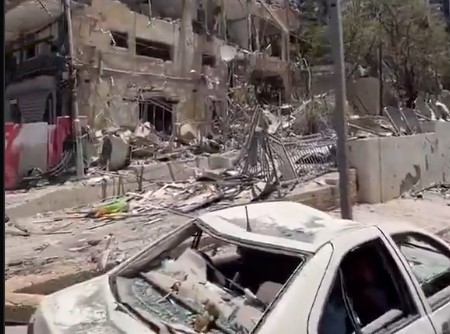
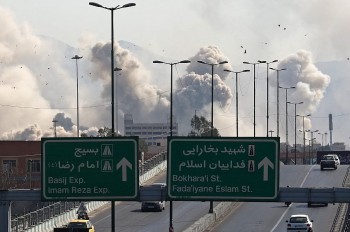
During the latest attack, air raid sirens sounded across Tel Aviv and surrounding cities as Israeli defense systems attempted to intercept incoming missiles. Authorities reported that fragments and submunitions from at least one cluster warhead struck several locations in central Israel, causing localized damage and fires, though no immediate casualties were reported.
Iran is overwhelming the Iron Dome with cluster munitions:
Defense analysts say cluster-munition missiles pose a major challenge for modern missile defense systems because the warhead breaks apart during descent. Once the submunitions spread, interception becomes far more complex.
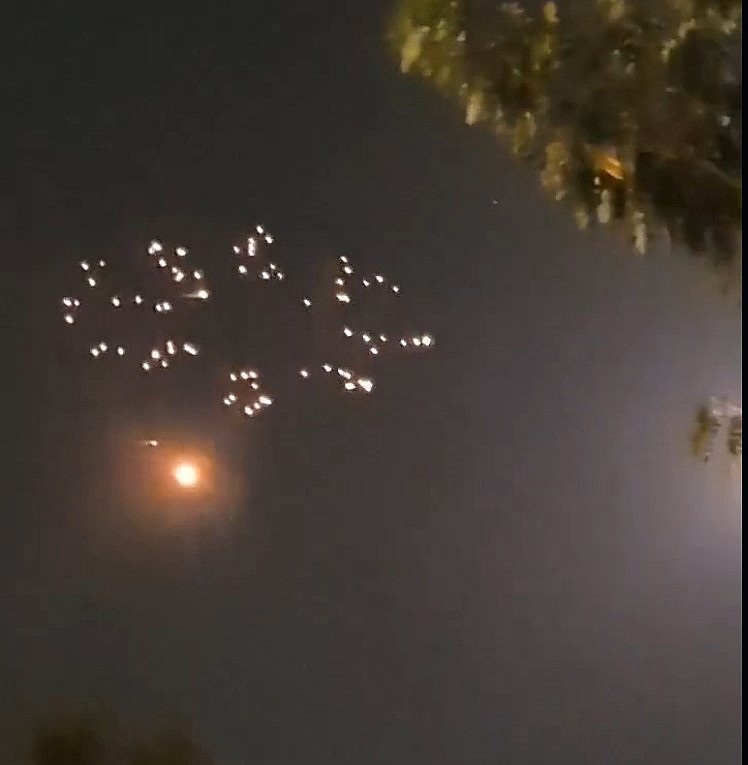 |
| Iran is overwhelming the Iron Dome with cluster munitions. |
Some reports suggest the missiles may be variants capable of releasing around 20 or more submunitions, enabling them to cover large target areas.
The incident marks another escalation in the ongoing Iran–Israel conflict and highlights growing concerns over the use of controversial cluster weapons in populated areas.