Who Is Mojtaba Khamenei? The Shadow Cleric Emerging as Iran’s Possible Next Supreme Leader


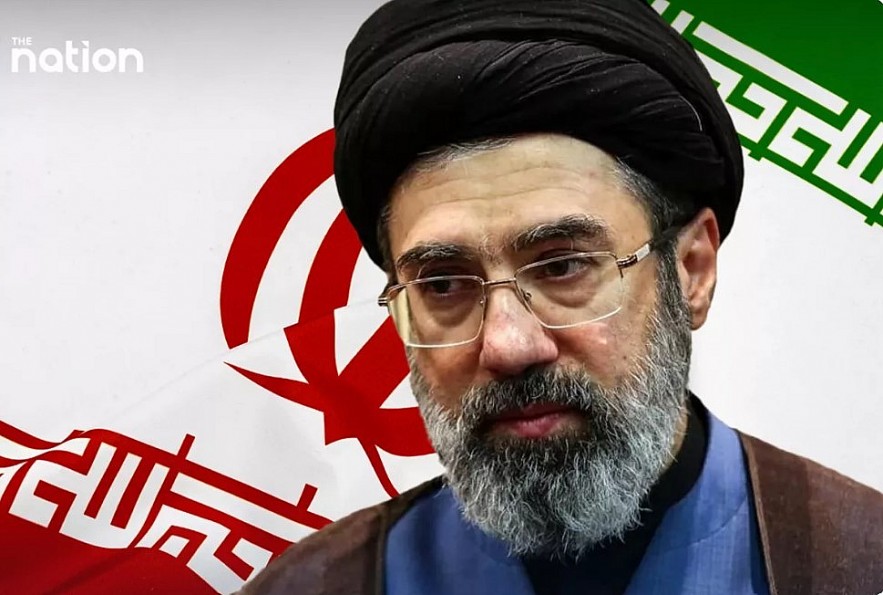 |
| Mojtaba Khamenei emerges as potential successor after death of his father, Ayatollah Ali Khamenei |
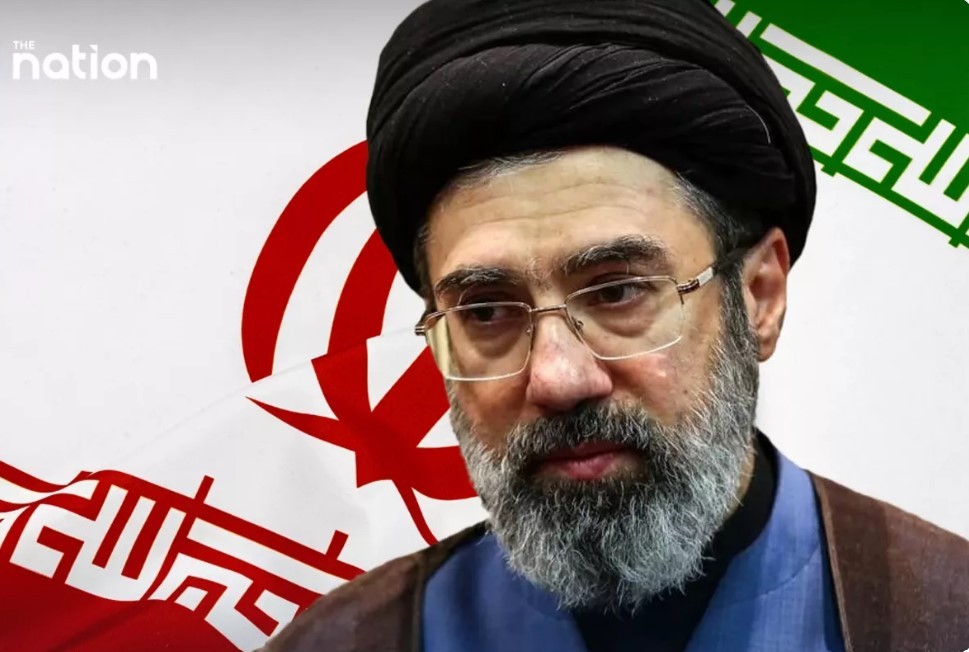
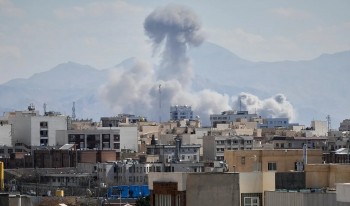
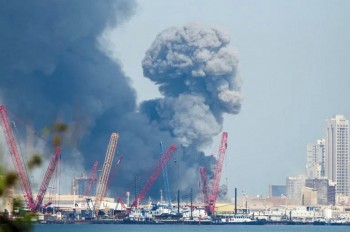
The death of Iran’s long-time Supreme Leader Ayatollah Ali Khamenei in a U.S.–Israeli attack has opened one of the most critical leadership transitions in the Islamic Republic since the 1979 revolution. Among the figures now under intense scrutiny is Mojtaba Khamenei, the late leader’s influential son, who has emerged as a potential successor at a moment of war and uncertainty.
Although he has rarely appeared in public office, Mojtaba Khamenei has spent decades building influence behind the scenes in Iran’s political and security establishment. His possible rise could reshape Iran’s power structure and deepen debates about dynastic rule in a system founded on revolutionary ideology.
Read more: How Many U.S. Troops Have Died in the Iran War? 6 Killed, 18 Wounded
Early Life and Religious Background
Mojtaba Hosseini Khamenei was born on September 8, 1969, in the city of Mashhad, Iran. He is the second son of Ali Khamenei, who served as Iran’s Supreme Leader from 1989 until his death in 2026.
Like many clerics in Iran’s ruling establishment, Mojtaba pursued religious studies at the influential seminaries in Qom, the country’s center of Shia Islamic scholarship. There he studied theology under prominent conservative clerics and later taught religious subjects.
Before entering religious life, he reportedly served in the Islamic Revolutionary Guard Corps (IRGC) during the Iran-Iraq War in the late 1980s, an experience that helped build connections with Iran’s powerful military elite.
Today he holds the clerical rank of Hojjatoleslam, a mid-level title that places him below senior ayatollahs who traditionally qualify for the country’s highest religious authority.
Read more: Who Are the U.S. Soldiers Killed in the Iran Conflict? Names, Backgrounds
The Power Behind the Scenes
Despite never holding an official government position, Mojtaba Khamenei has long been considered one of the most influential figures within Iran’s political system.
For years he reportedly acted as a gatekeeper to his father, controlling access to the Supreme Leader and helping coordinate relations between the clerical establishment and the security apparatus.
Analysts often describe him as a political power broker with close ties to the Islamic Revolutionary Guard Corps, the military force responsible for protecting the Islamic Republic and shaping many of its strategic policies.
His influence became particularly controversial during the disputed 2009 presidential election, when mass protests erupted across Iran. Mojtaba was widely accused by critics of supporting the crackdown carried out by security forces and the Basij militia.
Because of his role within the regime, the United States sanctioned him in 2019 for allegedly helping enforce policies that suppressed dissent and manipulated political processes.
Why He Is Seen as a Possible Successor
The process of selecting Iran’s Supreme Leader falls to the Assembly of Experts, an 88-member body of clerics tasked with appointing the country’s highest authority.
In theory, the leader must be a senior religious scholar capable of issuing authoritative rulings on Islamic law. In practice, however, political influence and support from key institutions—especially the IRGC—can play a decisive role.
Mojtaba’s decades of connections within these power centers have made him a serious contender. According to analysts and media reports, segments of Iran’s security establishment view him as a loyal guardian of his father’s ideological legacy.
His candidacy also gained attention after other potential successors—including several senior officials—were reportedly killed during recent attacks amid escalating regional conflict.
Controversy Over Dynastic Rule
Yet Mojtaba Khamenei’s potential rise remains deeply controversial.
Critics argue that his appointment would effectively create a hereditary leadership in a system that overthrew Iran’s monarchy in 1979. Reformists and some clerics fear that such a move would undermine the Islamic Republic’s legitimacy and deepen internal divisions.
Supporters, however, say his close ties to Iran’s security institutions and clerical networks could help maintain stability during a period of war, sanctions, and economic pressure.
A Leadership Decision With Global Consequences
Whoever ultimately becomes Iran’s next Supreme Leader will wield enormous power. The position controls the armed forces, oversees the judiciary, and sets the country’s strategic direction—from nuclear policy to relations with the West.
If Mojtaba Khamenei does rise to the top post, it would mark one of the most dramatic political shifts in Iran in decades: the transformation of a largely hidden power broker into the most powerful figure in the Islamic Republic.
With tensions in the Middle East rising and Iran facing economic strain at home, the leadership decision now unfolding could shape the region’s geopolitical landscape for years to come.