Who Are the U.S. Soldiers Killed in the Iran Conflict? Names, Backgrounds

The United States military has begun identifying the first American service members killed in the escalating conflict with Iran, marking a sobering moment in a war that has rapidly intensified across the Middle East.
As of early March 2026, six U.S. service members have been confirmed killed in action, according to U.S. Central Command, following Iranian retaliatory attacks on American positions in the region.
The Pentagon has publicly released the identities of four of those six fallen troops, while the names of two others remain temporarily withheld until their families are formally notified.
Read more:
- How Many U.S. Troops Have Died in the Iran War? 6 Killed, 18 Wounded
- U.S Homeland Attacks by Iran: FBI & DHS on High Alert - What Americans Should Do
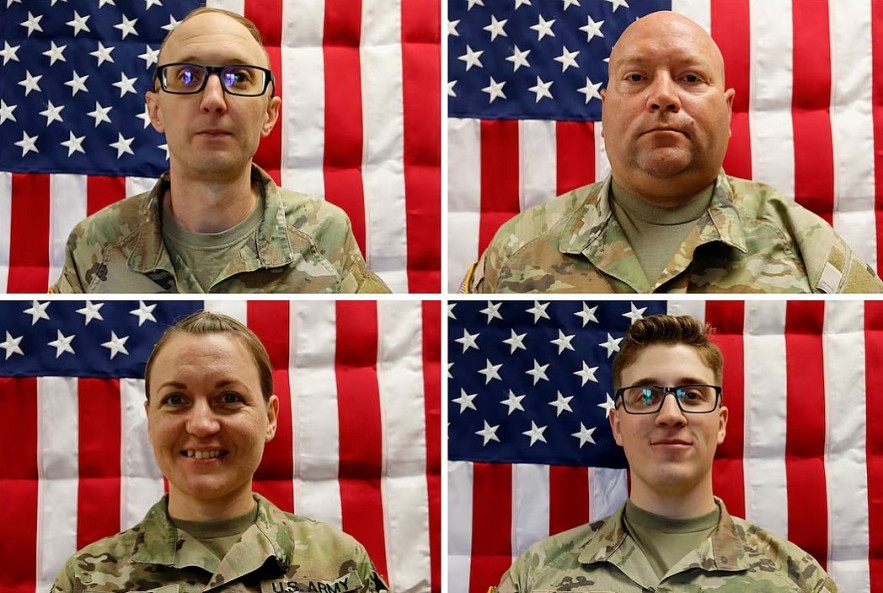 |
| Pentagon identifies first US soldiers killed in Iran war |
The First U.S. Troops Identified
The Defense Department confirmed that the four identified soldiers were members of the U.S. Army Reserve’s 103rd Sustainment Command (Expeditionary), headquartered in Des Moines, Iowa.
They were killed on March 1, 2026, when an Iranian drone attack struck a tactical operations center at Port Shuaiba in Kuwait, where American forces were stationed.
The fallen soldiers include:
-
Capt. Cody A. Khork, 35, of Winter Haven, Florida
-
Sgt. 1st Class Noah L. Tietjens, 42, of Bellevue, Nebraska
-
Sgt. 1st Class Nicole M. Amor, 39, of White Bear Lake, Minnesota
-
Sgt. Declan J. Coady, 20, of West Des Moines, Iowa
Military officials say the soldiers were operating from a command center supporting logistics operations when the facility was struck by an unmanned aerial attack. The incident is currently under investigation.
Two additional American service members also died in the same attack, but their identities have not yet been released pending family notifications.
A Deadly Drone Strike in Kuwait
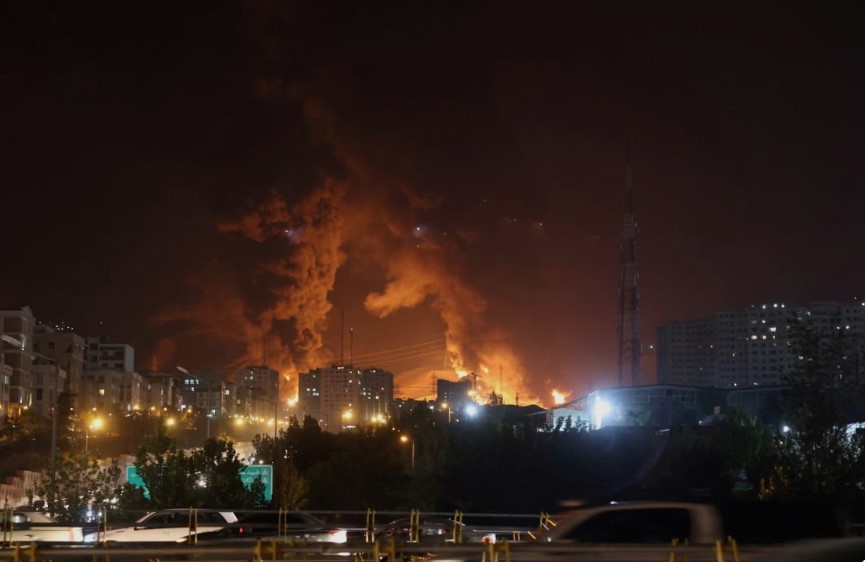
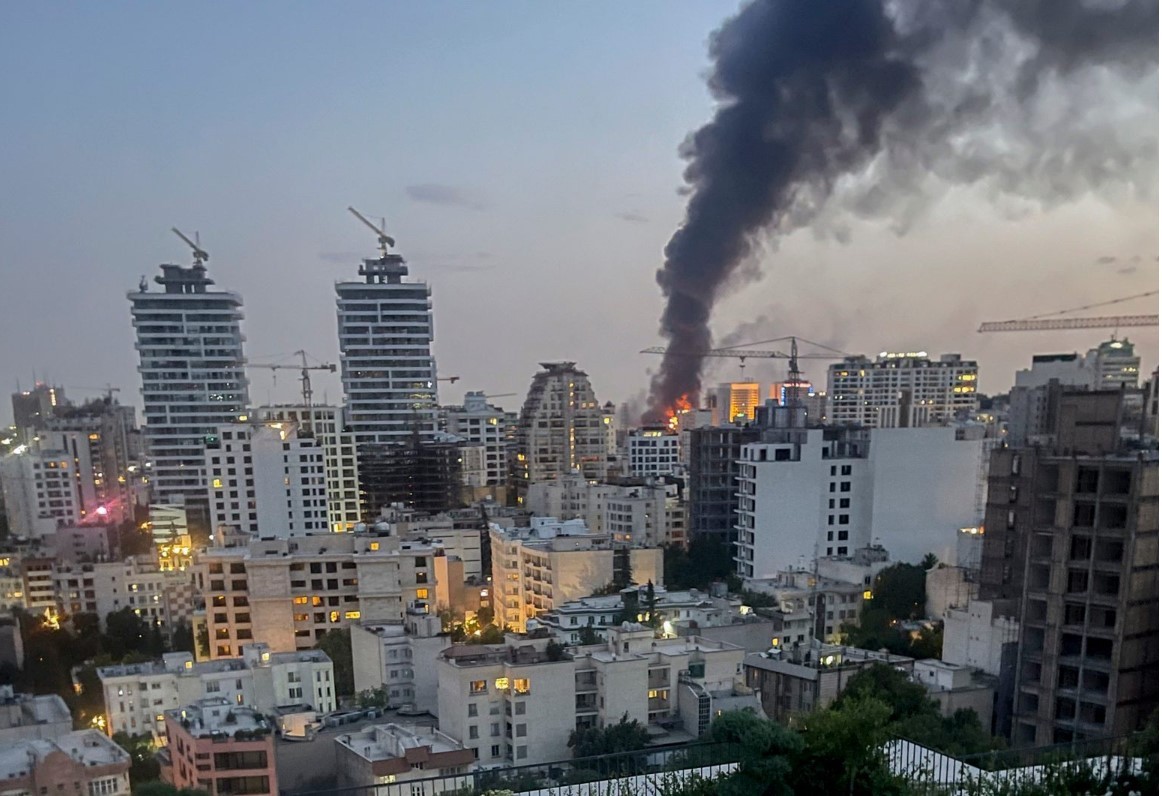
The fatal strike occurred amid a wider wave of Iranian retaliation after U.S. and Israeli forces launched large-scale military operations against Iran.
According to U.S. officials, an Iranian drone managed to penetrate air defenses and directly hit the tactical operations center where the soldiers were working. The attack marked the first confirmed American deaths in the conflict.
Military investigators are now examining whether the site had sufficient protection against drone threats. Some officials have raised concerns that the command post lacked hardened overhead cover capable of stopping aerial attacks.
The strike also left numerous other troops injured, with several service members suffering serious wounds during the attack.
Who Were the Fallen Soldiers?
Tributes from families, colleagues, and military officials have begun to paint a picture of the lives behind the uniforms.
Capt. Cody Khork, a logistics officer from Florida, had served multiple years in the Army Reserve and was known among colleagues for his leadership and calm approach during operations.
Sgt. 1st Class Noah Tietjens, a 42-year-old father from Nebraska, was remembered by family members as a devoted husband and parent who had served his community both in uniform and at home.
Sgt. 1st Class Nicole Amor, from Minnesota, was nearing the end of her deployment and had been preparing to return to her husband and children. Friends described her as compassionate and deeply committed to her fellow soldiers.
Sgt. Declan Coady, just 20 years old, was among the youngest troops deployed in the unit. A college student and community volunteer before enlisting, he was posthumously promoted after his death.
A Growing Toll in a Rapidly Escalating War
The deaths highlight the human cost of a conflict that expanded quickly after the United States and Israel launched large-scale strikes against Iranian targets in late February.
Iran responded with missile and drone attacks across the Gulf region, targeting several countries that host U.S. military bases, including Kuwait, Bahrain, Qatar, and the United Arab Emirates.
American forces have since continued operations against Iranian military infrastructure, while officials warn that further casualties are possible as the conflict evolves.
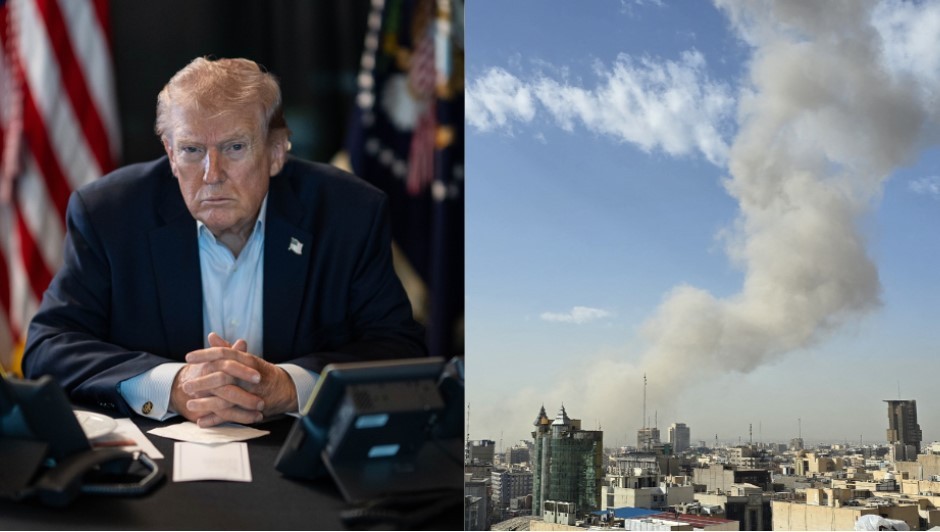
President Donald Trump acknowledged the losses and warned the public that the fighting could continue for weeks.
Investigations and Next Steps
The Pentagon has launched an investigation into the deadly drone strike that killed the soldiers. Defense officials are reviewing how the unmanned aircraft managed to evade air defenses and strike the operations center.
Military leaders say improving base protection against drone threats will likely become a priority as the war continues.
Meanwhile, families, communities, and fellow service members across the United States are mourning the loss of the fallen troops.
As the identities of the remaining two victims are expected to be released soon, the deaths serve as a stark reminder that the conflict with Iran is not only a geopolitical crisis but also a deeply personal tragedy for the Americans who serve.