U.S Homeland Attacks by Iran: FBI & DHS on High Alert - What Americans Should Do

 |
| US on high alert for homeland attacks by Iran |
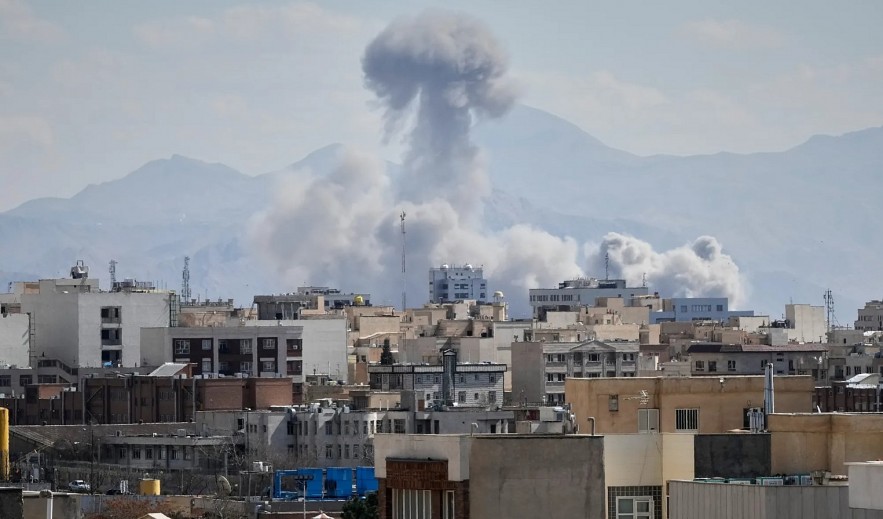
The ongoing conflict between the United States and Iran has intensified dramatically. After joint U.S.–Israeli strikes against Iran killed the country’s supreme leader, Tehran launched widespread counterattacks against American military bases across the Middle East. In response, federal counterterrorism agencies — including the FBI and the Department of Homeland Security (DHS) — have raised their threat posture, warning that the risk of retaliation, including possible threats to U.S. soil, is higher than in recent history.
With these developments, Americans are asking: What does this mean for public safety at home, and what practical steps can be taken to stay informed and secure?
Read more: How Many U.S. Troops Have Died in the Iran War? Latest Casualties
What Happened: U.S. Strikes and Iran’s Retaliation
On February 28, 2026, U.S. and Israeli forces executed a coordinated military campaign against Iran, targeting key military and security infrastructure in Tehran and multiple provinces — a move described by leaders as a “preemptive” effort. Reports indicate substantial casualties inside Iran, with hundreds dead and many more wounded as a result of the strikes.
Within hours, Iran launched a series of retaliatory missile and drone attacks aimed at American military assets and regional allies. Iranian state sources and allied media allege that up to 27 U.S. bases across the Gulf region — including in Bahrain, Qatar, Kuwait, the United Arab Emirates, and beyond — were targeted in the strikes.
While Western and U.S. military sources have disputed some detailed casualty claims, there is clear evidence that Iranian forces have significantly expanded operations against U.S. installations in the region, further heightening tensions and the risk of escalation.
Why FBI and DHS Are on High Alert
Federal agencies have signaled that they are operating in a “war footing” mode, preparing for a range of scenarios that could impact national security. FBI Director Kash Patel said that counterterrorism and intelligence teams, including more than 200 Joint Terrorism Task Forces (JTTFs) across the United States, are monitoring the situation and mobilizing resources as needed.
Homeland Security Secretary Kristi Noem echoed these concerns, emphasizing cooperation with intelligence partners and enforcement agencies to detect and thwart any threats to the homeland.
Although officials on record have stated there are currently no known credible domestic threats following the strikes, the broader risk environment is more volatile than usual.
What the Public Should Understand About the Threat
Broader Range of Potential Retaliation Tactics
Experts warn that retaliation by Iran or affiliated groups could take many forms, not limited to traditional rocket or missile attacks:
-
Cyberattacks against U.S. networks and critical infrastructure
-
Proxy operations through allied militias in Iraq, Yemen, and Syria
-
Espionage or sabotage efforts within the U.S. and allied countries
These threats stem from a long history of Iran-backed actions against American interests, including past attacks on U.S. forces and personnel abroad.
What Americans Should Do Now: Practical Guidance
While there is no indication of an imminent attack on U.S. soil at this time, preparedness and situational awareness are key. Here’s a clear guide to what Americans can do:
1. Stay Informed Through Official Sources
Regular updates from the FBI, DHS, and the National Terrorism Advisory System (NTAS) should be your first source of truth. Government agencies will issue alerts and actionable guidance if threat levels change significantly.
-
Subscribe to alert systems managed by DHS and local emergency services
-
Follow authoritative updates on department websites and verified social-media accounts
Avoid rumors or unverified claims on social media, as misinformation spreads rapidly during crises.
2. Report Suspicious Activity Promptly
Federal authorities stress that the public plays a crucial role in public safety. If you observe unusual behavior, unattended objects in public areas, or communications indicating a possible threat:
-
Call your local law enforcement
-
Submit tips to the FBI through tips.fbi.gov or the hotline
-
Be specific and factual in your reports
Quick reporting can help authorities investigate and intervene before threats can materialize.
3. Boost Personal Cybersecurity
In addition to physical safety, cybersecurity is a growing area of concern in international conflicts. Pro-Iranian hacker groups could seek to exploit tensions by targeting American networks.
To protect yourself:
-
Use strong, unique passwords and enable multi-factor authentication
-
Keep devices and software up to date
-
Be cautious with unfamiliar emails, links, and attachments
Federal agencies such as the Cybersecurity and Infrastructure Security Agency (CISA) provide guidance on staying secure online.
4. Know Local Emergency Preparedness Plans
City and county governments typically maintain emergency communication systems that can alert residents during crises.
-
Sign up for civic alert systems (text or email alerts)
-
Understand evacuation routes and shelter-in-place procedures
-
Familiarize yourself with local emergency broadcasts
Being prepared locally can make a significant difference in actual emergencies.
5. Avoid Panic, Stay Practical
It’s important to remain calm but vigilant. Elevated alerts do not mean an attack is imminent, but rather that authorities are taking preventive measures to stay ahead of potential threats.
Historical precedents show that intelligence and law enforcement cooperation often prevents many plots from ever reaching execution. Preparedness is about reducing risk, not spreading fear.
Travel Advisory Considerations
For those considering travel abroad, especially to the Middle East, official travel advisories are being updated as the situation evolves. The U.S. State Department advises caution and often high-risk designation for countries near conflict zones.
-
Review travel.state.gov before making arrangements
-
Consider enrolling in the Smart Traveler Enrollment Program (STEP)
-
Stay updated on conditions through official embassy channels
The Bottom Line
The conflict between the United States and Iran has entered a new, high-risk phase with U.S. air and missile strikes followed by Iranian retaliation against U.S. bases in the Gulf region. While the FBI and DHS have increased alert levels, there is no confirmed credible threat to U.S. territory at this time.
However, in such an unpredictable security environment, being informed, reporting suspicious activity, improving personal cybersecurity, and understanding local emergency systems are essential steps Americans can take now.
Prepared citizens working alongside law enforcement and national security agencies form a critical line of defense — not just against immediate threats but against the complex challenges of modern geopolitical conflicts.