Who Is Ayatollah Ali Khamenei? Iran’s Supreme Leader at a Defining Crossroads


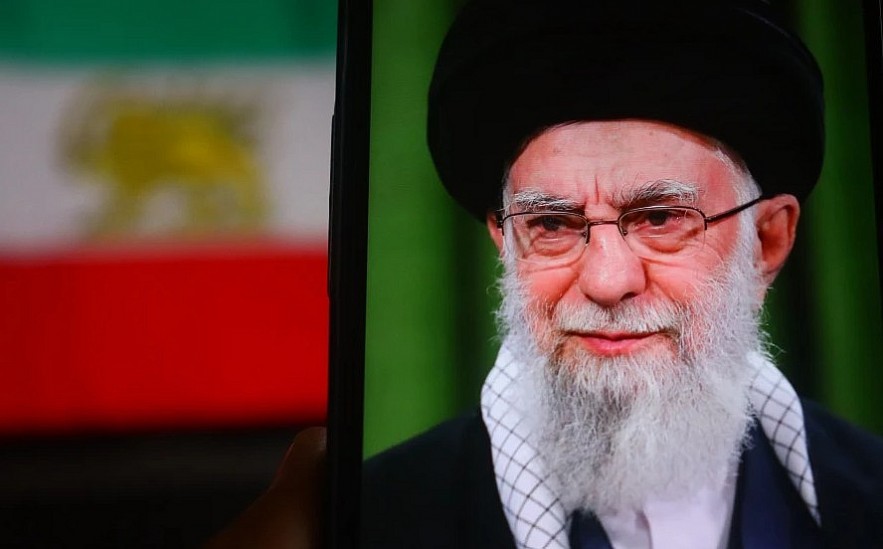 |
| Iran’s Supreme Leader Ayatollah Ali Khamenei |
Who is Ayatollah Ali Khamenei?
Ayatollah Ali Khamenei has been Iran’s supreme leader since 1989, making him one of the most powerful and enduring figures in the Middle East.
For more than three decades, he has stood at the center of Iran’s political, military, and religious system, shaping its confrontations with the West, its regional ambitions, and its tightly controlled domestic order.
As Iran faces renewed protests, economic strain, and questions about succession, Khamenei’s personal history offers key insight into how the country arrived at this moment.
Early Life and Education
Ali Khamenei was born on April 19, 1939, in Mashhad, Iran’s second-largest city and a major center of Shiite pilgrimage. He was the second of eight children in a modest clerical family. His father, a respected but financially poor cleric, lived a simple life that left a strong mark on Khamenei’s worldview.
Khamenei began religious studies at a young age, first in Mashhad and later in Qom, Iran’s most important center for Shiite scholarship. His education focused on Islamic jurisprudence, theology, and philosophy. He never reached the highest clerical rank of marja, a fact that later became controversial, but he built a reputation as a disciplined student with revolutionary leanings.
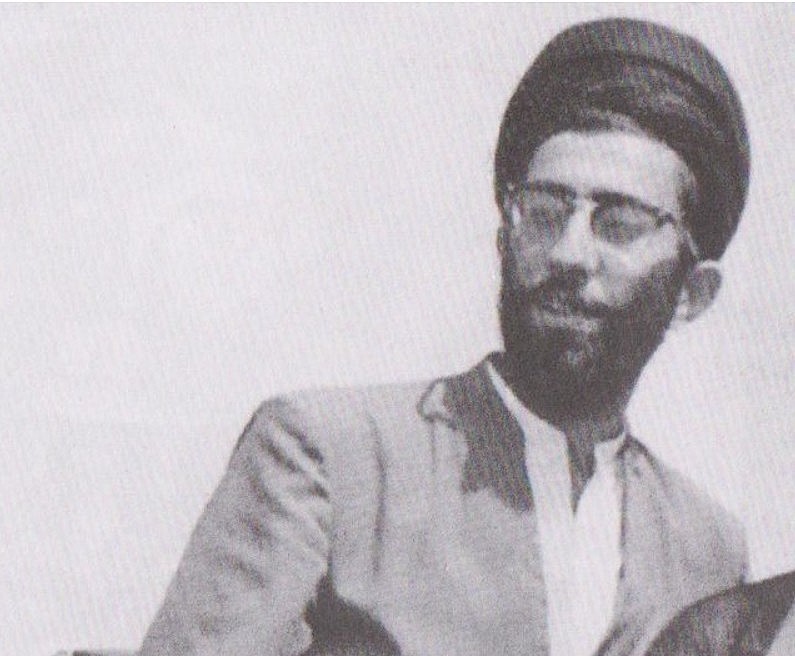 |
| Ali Khamenei |
Alongside his religious training, Khamenei developed interests unusual for a cleric. He translated works of literature into Persian, wrote poetry, and showed a lifelong fascination with Persian culture and anti-imperialist thought.
Religion and Ideology
Khamenei is a Twelver Shiite cleric shaped by the ideology of Iran’s 1979 Islamic Revolution. He is a committed believer in velayat-e faqih, the doctrine that grants supreme political authority to an Islamic jurist. This belief underpins the entire structure of the Islamic Republic.
Ideologically, Khamenei blends religious conservatism with strong anti-Western views, particularly toward the United States and Israel. He frames Iran’s conflicts as resistance against foreign domination, a narrative that has remained central throughout his leadership.
Family and Personal Life
Khamenei is married and has six children. Several of his sons, especially Mojtaba Khamenei, are widely believed to wield significant behind-the-scenes influence. While Khamenei promotes an image of personal austerity, his family’s political and economic reach has been the subject of persistent scrutiny inside and outside Iran.
Despite his immense power, Khamenei maintains a carefully controlled public persona, rarely granting interviews and appearing mostly in formal speeches or religious settings.
Presidency and Assassination Attempt
Khamenei emerged as a political figure during the revolution that overthrew Shah Mohammad Reza Pahlavi in 1979. A close associate of Ayatollah Ruhollah Khomeini, he quickly rose through the new system.
In 1981, amid political turmoil and assassinations of senior officials, Khamenei was elected president. That same year, he survived a serious assassination attempt when a bomb hidden in a tape recorder exploded during a public event. The blast permanently injured his right arm, leaving it partially paralyzed.
As president, he served two terms during the Iran-Iraq War, gaining experience in governance, security, and relations with the military establishment, particularly the Islamic Revolutionary Guard Corps.
Becoming Supreme Leader
When Ayatollah Khomeini died in 1989, Khamenei was elevated to supreme leader, despite lacking the traditional religious credentials associated with the role. Constitutional changes smoothed his path, and over time he consolidated power by strengthening the Revolutionary Guards, weakening rival clerical centers, and centralizing authority under his office.
As supreme leader, Khamenei has the final say over Iran’s military, judiciary, state media, and key political appointments. Presidents come and go, but ultimate power rests with him.
Iran Under Khamenei
Under Khamenei’s leadership, Iran has expanded its regional influence through proxy groups in Lebanon, Iraq, Syria, and Yemen. At home, his rule has been marked by strict limits on political dissent, periodic crackdowns on protests, and ongoing tension between hardliners and reformists.
Economic challenges, driven by sanctions, corruption, and mismanagement, have increasingly tested the system he oversees.
What Lies Ahead?
Now in his mid-80s, Ayatollah Ali Khamenei faces growing questions about succession and stability. Recent unrest, elite infighting, and reports of contingency planning underscore a system under pressure.
Whether Iran transitions smoothly after him or enters a period of turbulence may define the country’s future for decades. Khamenei’s life story, from a poor cleric’s son in Mashhad to the most powerful man in Iran, mirrors the rise of the Islamic Republic itself. How both end remains uncertain.