Iran War Enters Day 7: US-Israel Strikes Expand, Gulf Tensions Deepen, Oil Jumps

 |
| After six days of US-Israeli attacks on Iran, the conflict is escalating as regional tensions rise |
A conflict that is widening faster than diplomacy
The war involving Iran, Israel, and the United States entered its seventh day on March 6, 2026, and it is already reshaping the Middle East.
What began as a rapid military campaign has quickly evolved into a regional confrontation touching multiple countries, key oil routes, and global markets.
Air strikes continued across Iran. Missile and drone attacks spread across the region. Oil prices surged. Diplomatic pressure mounted.
By day seven, the central question was no longer simply whether Iran’s military capabilities were being degraded.
The question now is how far the conflict might spread.
Read more: How Big Is Iran Compared With the US, Israel, and Iraq? Size, Maps, and Key Facts
What happened on day seven
Military operations intensified on both sides as the conflict entered its second week.
According to reporting compiled from regional officials and international media:
-
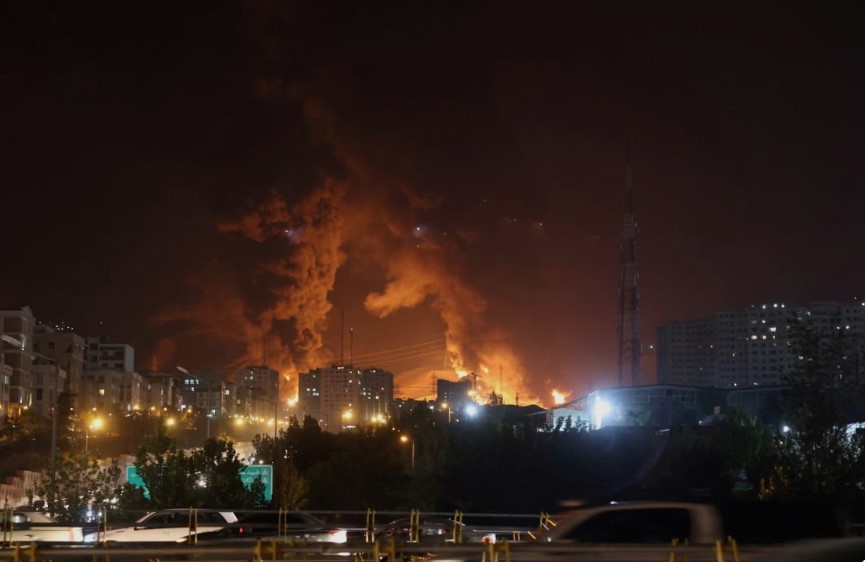
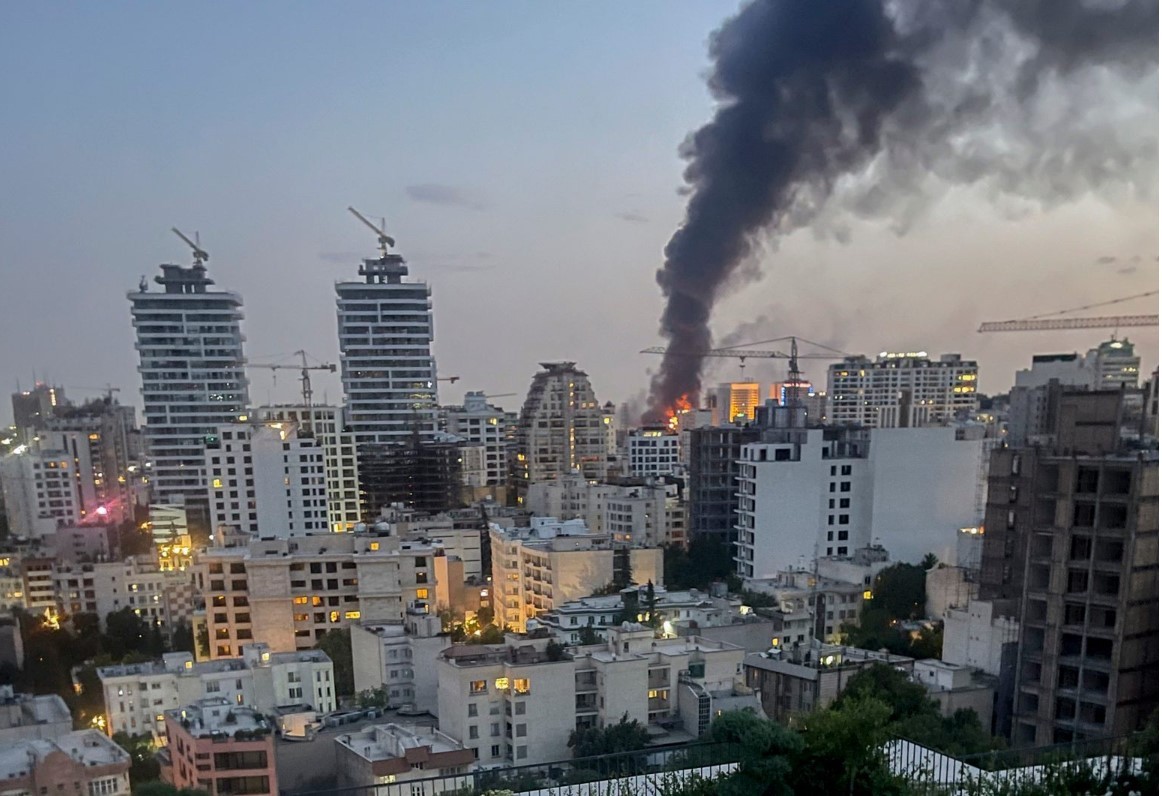
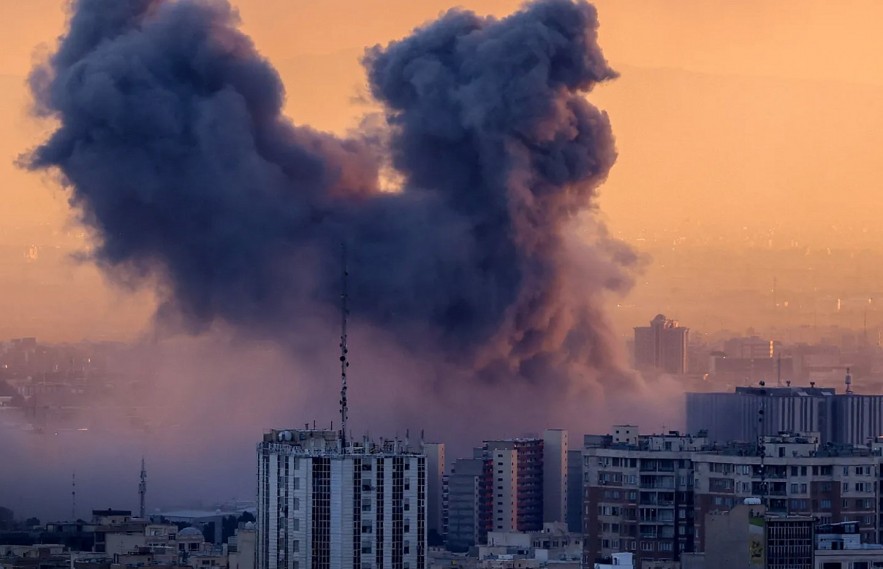
US and Israeli forces continued coordinated strikes on Iranian military infrastructure.
-
Roughly 200 targets were hit within 72 hours, including missile launchers and naval assets.
-
Israeli forces also expanded operations in Lebanon, targeting areas believed to host Iranian-aligned groups.
-
Iran launched missiles and drones toward Israel, including targets around Tel Aviv and central Israel.
-
Security forces in Iraq intercepted a drone heading toward a base hosting US forces near Baghdad.
Although US officials say Iranian launches have declined compared with the first days of the conflict, retaliatory attacks have not stopped.
The battlefield is spreading beyond Iran and Israel
One of the most significant developments is how quickly the war has spilled beyond the original front lines.
Iranian missiles and drones have triggered alerts and interceptions across several Gulf countries, including:
-
Kuwait
-
Bahrain
-
the United Arab Emirates
-
Qatar
These countries host major American military installations, which means the conflict now affects multiple governments directly.
Civil aviation has also been disrupted across the region, with several airlines suspending or rerouting flights because of missile threats and uncertain airspace conditions.
The more countries drawn into the security environment, the greater the risk of accidental escalation.
Read more: Inside Iran’s Nuclear Fortress Fordow: The Truth About the Mountain-Deep Centrifuge Halls
Israel expands strikes in Lebanon
Another front of the conflict is emerging in Lebanon.
Israeli forces issued evacuation warnings for areas in:
-
southern Beirut suburbs
-
the Bekaa Valley
The strikes are aimed at weakening armed groups aligned with Iran.
This development matters because it connects the war with the broader regional network of Iranian allies and partners. If fighting expands significantly in Lebanon, it could open a second major battlefield alongside the Iran-Israel confrontation.
A leadership crisis inside Iran
Beyond the battlefield, Iran is dealing with an extraordinary political shock.
Reports indicate that Iran’s Supreme Leader Ayatollah Ali Khamenei was killed during the opening phase of the campaign, creating an unprecedented leadership vacuum.
The issue of succession is now a central factor shaping the crisis.
Possible contenders for leadership are being discussed within Iran’s political and religious establishment, including figures close to the current power structure.
Leadership transitions during wartime are rare and unpredictable. They can produce two competing dynamics:
-
temporary political paralysis
-
intensified hard-line decision-making
Either outcome could influence how Iran responds to the ongoing military campaign.
Washington faces political pressure at home
The war is also triggering debate inside the United States.
Members of Congress attempted to require formal authorization for military operations against Iran under the War Powers Resolution.
The effort failed in the House of Representatives in a 219-212 vote, giving the White House greater short-term freedom to continue operations.
However, the issue is unlikely to disappear. If the conflict continues for weeks or months, lawmakers may again challenge the legal basis for the campaign.
In other words, the war is not only being fought abroad. It is also becoming a political and constitutional debate in Washington.
Oil markets react immediately
The economic effects of the war are already being felt around the world.
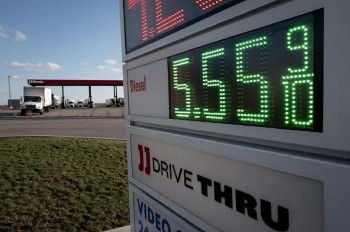
Oil prices surged sharply during the first week of the conflict, with Brent crude rising more than 17 percent for the week.
Markets reacted primarily to fears surrounding the Strait of Hormuz, a narrow waterway that carries roughly 20 percent of the world’s oil supply.
Any disruption to shipping in the strait could send energy prices much higher.
Higher oil prices can quickly ripple through the global economy, affecting:
-
transportation costs
-
airline operations
-
food prices
-
inflation
For countries that import large amounts of energy, even a short-lived conflict can create serious economic stress.
The financial cost of the war is rising rapidly
The military campaign is also expensive.
Early estimates suggest the first 100 hours of US operations cost around $3.7 billion, or roughly $891 million per day.
Most of that spending was not previously budgeted.
Air campaigns involving precision weapons, carrier groups, and missile defenses can become extremely costly when sustained over long periods.
This raises a familiar strategic question: how long can such operations continue before financial and political pressure grows too large?
Diplomacy is struggling to catch up
While the fighting intensifies, diplomatic channels appear stalled.
Iranian officials say there is no reason to negotiate with Washington, arguing the United States cannot be trusted while military strikes continue.
At the same time, US leaders have signaled that military pressure may increase rather than decrease in the near term.
This creates a dangerous dynamic.
Both sides appear to believe that time favors them, which reduces incentives to compromise.
International organizations, including United Nations human rights experts, have called for immediate de-escalation, warning that the conflict risks destabilizing the entire region.
Why day seven could mark a turning point
Wars often reveal their true trajectory after the first week.
In this case, several trends are becoming clear:
-
The battlefield is expanding geographically
-
Regional states are being pulled into the security crisis
-
Global markets are reacting
-
Political pressures are rising in Washington
-
Iran faces a leadership transition during wartime
Taken together, these factors suggest the conflict is becoming more complex rather than more contained.
Even if military strikes weaken Iran’s capabilities, the broader consequences could continue long after the current campaign ends.
The biggest risk now is not simply the intensity of the fighting.
It is the possibility that a conflict initially framed as a limited operation evolves into a prolonged regional confrontation.