Was the ICE Agent’s Fatal Shooting of Renee Nicole Good Legal?

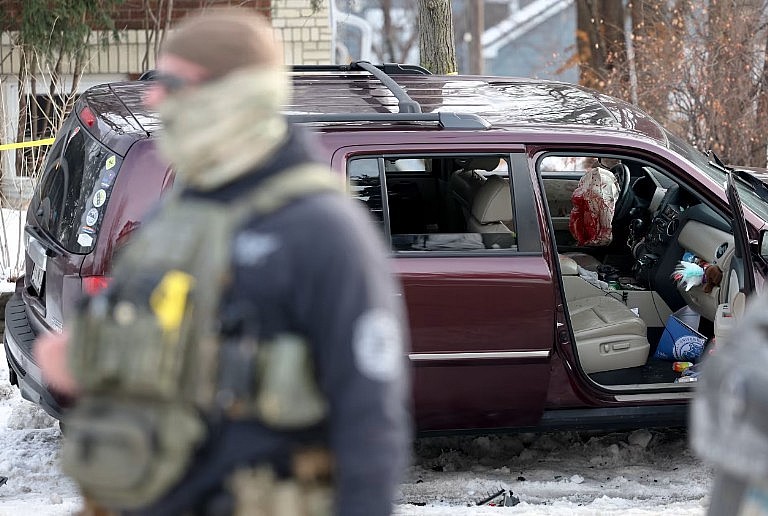 |
| Homeland Security Secretary Kristi Noem publicly defended the ICE agent involved in the Minneapolis shooting, saying the woman had tried to drive her vehicle into the officer. State and local leaders, however, sharply rejected that account, disputing that the use of deadly force amounted to self-defense. |
The fatal shooting of Renee Nicole Good, 37, by an Immigration and Customs Enforcement agent in south Minneapolis has ignited a national debate that goes beyond one tragic moment. At its core is a question Americans have asked in countless officer-involved shootings — but with higher stakes when federal agents are involved:
Was the shooting legally justified, or did it cross the line into unlawful use of force?
The answer is not simple. And it depends on how investigators, prosecutors, and ultimately the law interpret a few critical seconds.
Read more:
- What Happens When an ICE Agent Fires a Fatal Shot?
- Who Is the ICE Agent Shot Renee Nicole Good?
What federal authorities argue: lawful self-defense
The Department of Homeland Security has defended the ICE agent’s actions from the outset.
According to DHS, agents were conducting “targeted operations” when community members attempted to block ICE vehicles. Officials say Good drove her SUV toward agents on foot, “weaponizing” the vehicle. In that moment, DHS argues, the agent reasonably believed his life — and the lives of others — were in imminent danger.
Under U.S. law, officers are allowed to use deadly force if they reasonably believe such a threat exists. Courts have repeatedly ruled that a vehicle can constitute a deadly weapon. From this perspective, the shooting could fall squarely within legal self-defense.
Supporters of the federal position, including conservative commentators and former President Donald Trump, argue that failing to act decisively in such situations would endanger law enforcement officers nationwide.
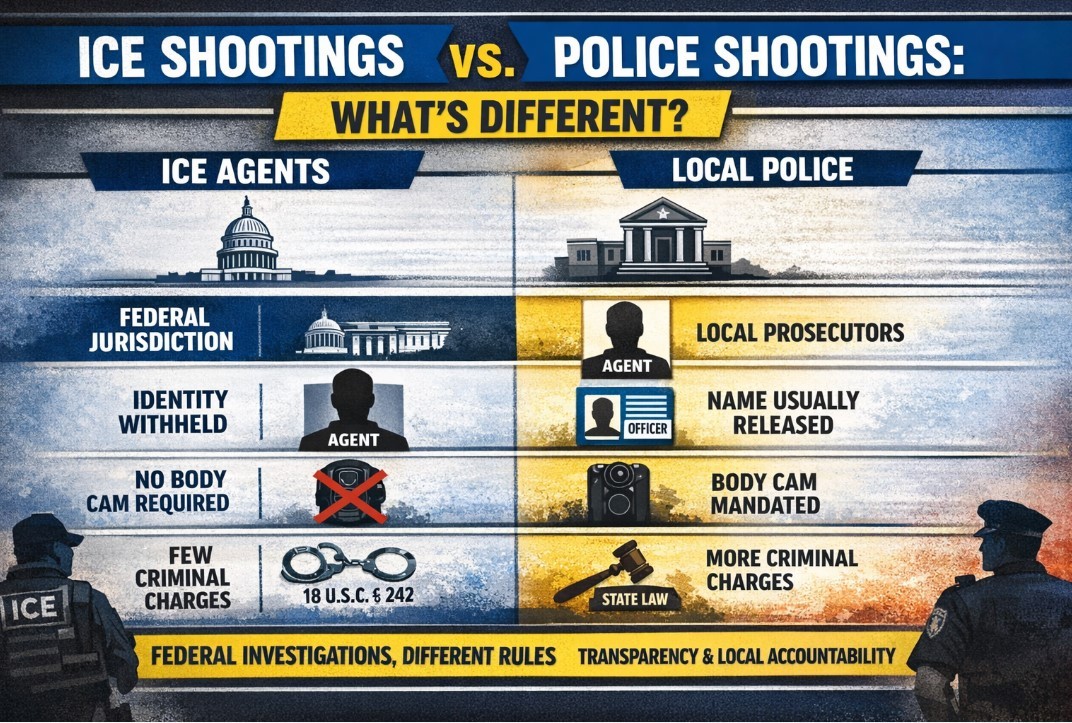
Read more: ICE Shootings vs. Police Shootings: What’s Different
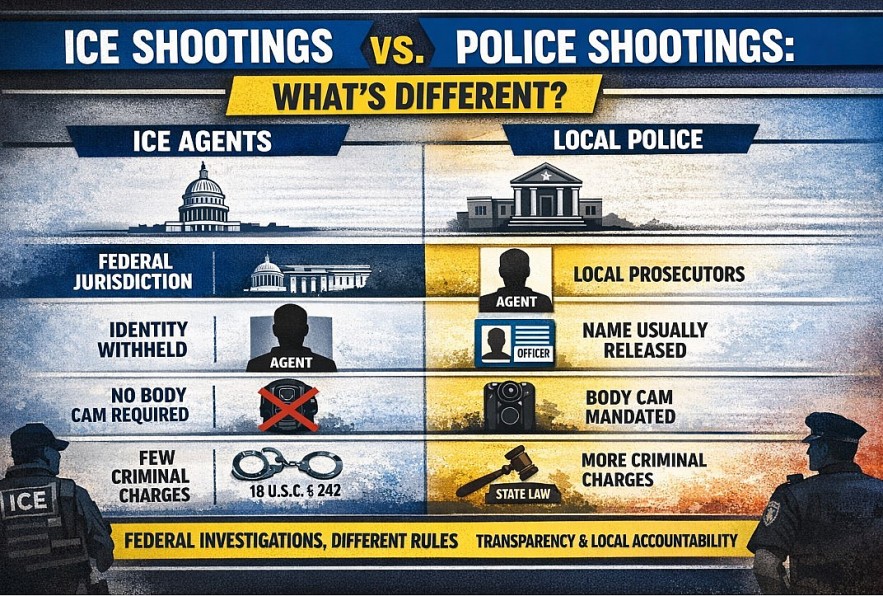 |
| ICE Shootings vs. Police Shootings |
What critics argue: excessive and avoidable force
Local leaders and community members see the situation very differently.
Minneapolis Mayor Jacob Frey publicly rejected DHS’s account, saying video footage does not clearly show an intentional attempt to strike officers. At a heated City Hall news conference, Frey accused federal authorities of escalating a volatile situation and demanded ICE leave the city.
Minnesota Governor Tim Walz echoed those concerns, saying state and local officials were not adequately briefed about the operation and calling for calm as investigations proceed.
Eyewitnesses interviewed by local media said agents were surrounding Good’s vehicle and issuing commands as she attempted to move away. Critics argue that confusion, poor communication, and aggressive tactics turned a chaotic moment into a fatal one — and that deadly force was not the only option.
Civil rights advocates also point to the language used by DHS, including calling the incident “domestic terrorism,” as inflammatory and premature.
Read more: Who Was Renee Nicole Good? What We Know About the Woman Killed in the Minneapolis ICE Shooting
What the law actually requires
Legally, the case hinges on one standard: reasonableness.
Under Supreme Court precedent, investigators must assess whether the ICE agent’s belief that deadly force was necessary was reasonable at the exact moment shots were fired, not based on hindsight or slowed-down video.
Key questions investigators will examine include:
-
Was the agent directly in the vehicle’s path?
-
Did the agent have time or space to retreat?
-
Were commands clear and coordinated?
-
Did the agent reasonably perceive an imminent threat?
Importantly, the law does not require that the threat actually occur — only that the officer reasonably believed it would.
Why this case is especially controversial
Unlike local police shootings, ICE shootings operate largely outside local control.
The agent’s identity has not been released. ICE agents are not universally required to wear body cameras. And the investigation is being led by the Federal Bureau of Investigation, meaning the federal government is effectively reviewing its own conduct.
That structure fuels skepticism, even if investigators ultimately find the shooting legally justified.
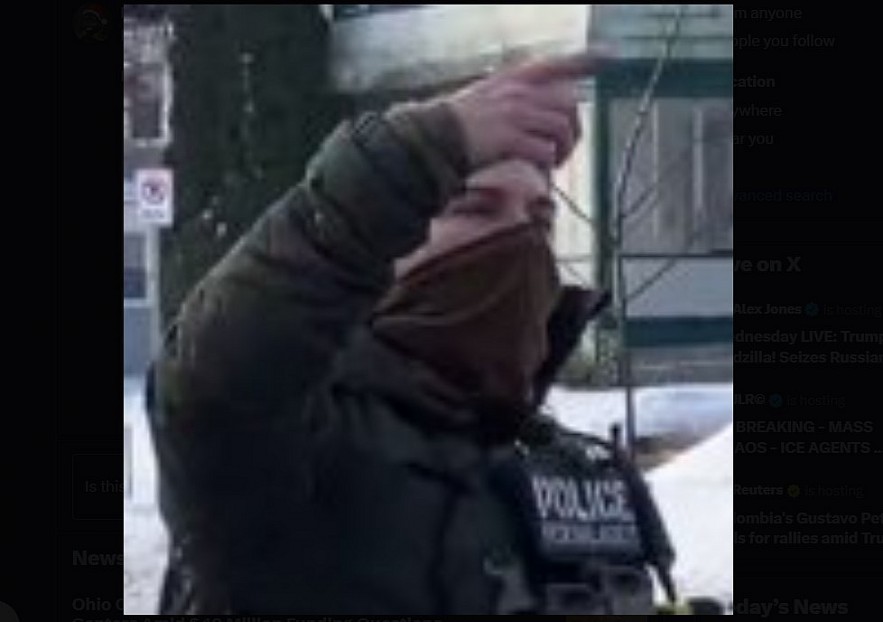 |
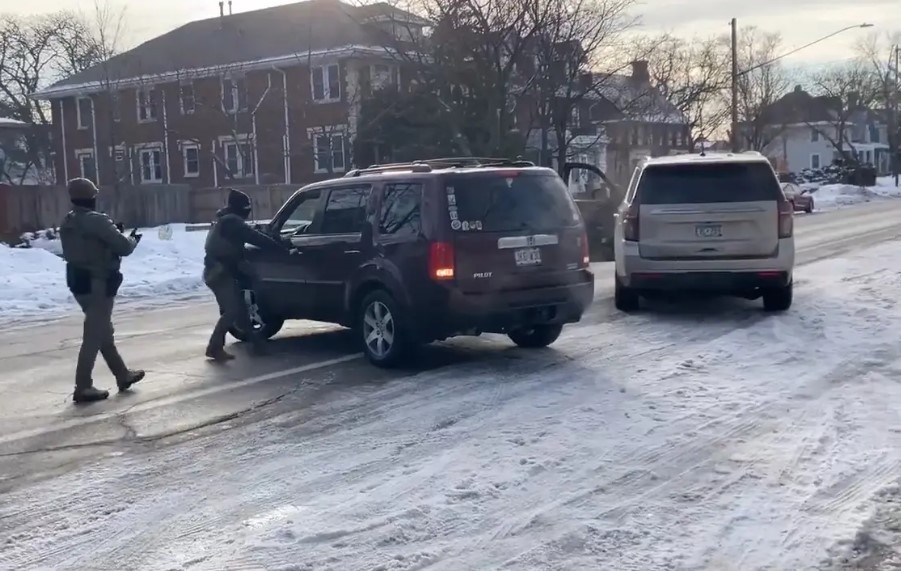
| Social Media Circulates Alleged Image of ICE Agent in Minneapolis Shooting |
What happens next
At this stage:
-
No criminal charges have been filed.
-
The ICE agent remains unnamed.
-
Federal and state investigations are ongoing.
If prosecutors determine the agent’s actions were reasonable under the law, the case may end without charges — even if public anger remains. If not, the consequences could include federal prosecution or civil litigation by Good’s family.
The bottom line
Whether the ICE agent’s shooting of Renee Nicole Good was legal will not be decided by viral videos or political statements alone. It will turn on a narrow legal standard focused on perception, threat, and split-second judgment.
To supporters, the agent acted to save lives.
To critics, the shooting reflects a dangerous lack of accountability in federal law enforcement.
Both views now collide in Minneapolis — and the outcome may shape how Americans judge the power and limits of ICE far beyond this single case.