Who Is Jonathan Ross, The ICE Agent Shot Renee Nicole Good?
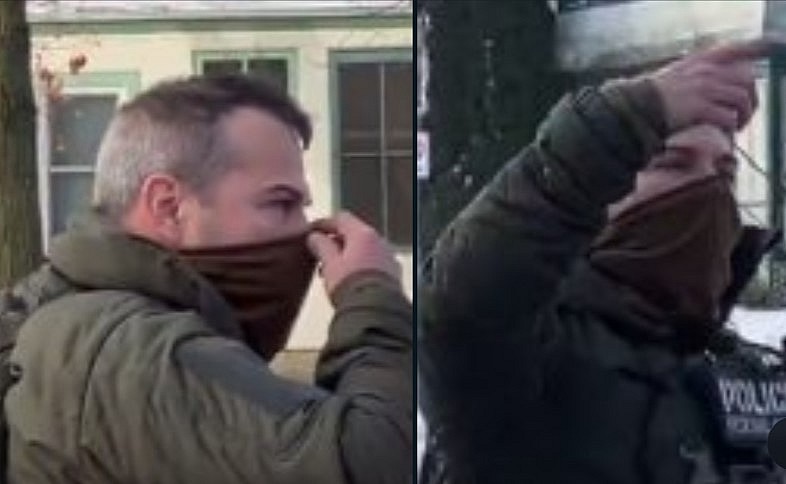 |
| Jonathan Ross, the ICE agent believed to have fatally shot Renee Nicole Good in south Minneapolis, though authorities have not confirmed the agent’s identity or verified the images |
Jonathan Ross Identified as ICE Agent in Renee Nicole Good Shooting as Investigation Expands
The ICE agent who fatally shot Renee Nicole Good in Minneapolis has been identified by multiple media outlets as Jonathan Ross, ending days of anonymity as federal investigations continue.
Ross is described in public records and law-enforcement sources as a career federal agent with Immigration and Customs Enforcement, working on enforcement operations in Minnesota and the Upper Midwest. He has spent years in field assignments involving vehicle stops and fugitive apprehensions, roles often considered among the most volatile in federal immigration enforcement.
New attention has also focused on Ross’s prior history. In June 2025, he was seriously injured during an ICE operation in Bloomington, Minnesota, when a driver fled a traffic stop and dragged him approximately 100 yards. The driver, Roberto Carlos Munoz-Guatemala, was later convicted in federal court of assaulting a federal officer. Ross was hospitalized with significant arm and hand injuries. His identity was not publicly released at the time.
Supporters of ICE have cited that incident as context for Ross’s response during the Minneapolis confrontation, which involved Good’s SUV. Critics argue that past trauma should not determine the legality of deadly force in a separate encounter.
The Department of Homeland Security continues to defend Ross’s actions as self-defense, while Minneapolis officials dispute that account. The shooting remains under investigation by the Federal Bureau of Investigation and state authorities. No charges have been filed.
As scrutiny intensifies, Ross’s identification has shifted the case from an abstract policy debate to a personal and legal reckoning over accountability, transparency, and the use of lethal force by federal agents.
Read more: Who Is Jonathan Ross? Background of the ICE Agent Identified in the Renee Nicole Good Shooting
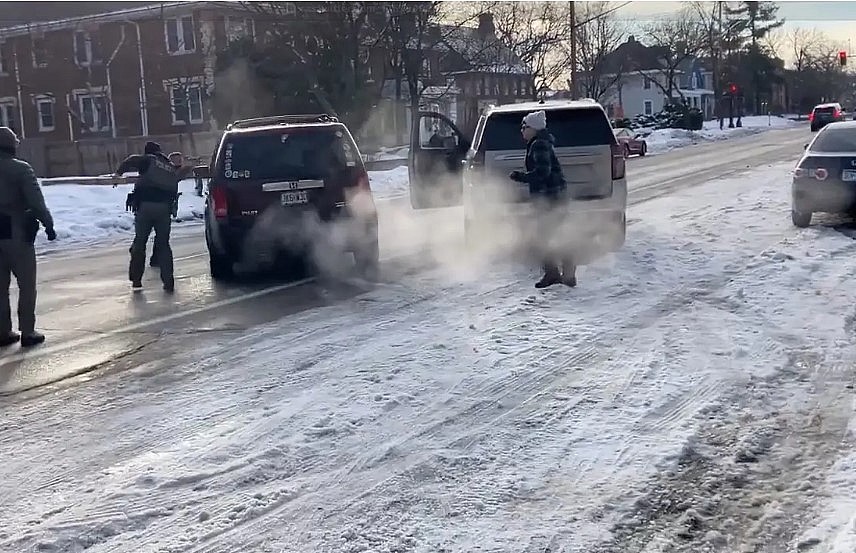 |
| The ICE agent firing as the car pulls away |
As outrage continues over the fatal shooting of Renee Nicole Good, the central question for many Americans is no longer only what happened — but who was the ICE agent who pulled the trigger in south Minneapolis.
Days after the shooting, federal authorities have yet to release the agent’s identity, background, or service record, leaving a vacuum filled by speculation, anger, and growing demands for accountability.
Read more: Who Was Renee Nicole Good? What We Know About the Woman Killed in the Minneapolis ICE Shooting
Has the ICE agent been identified?
As of the latest updates, the ICE agent who fatally shot Good has not been publicly named.
The Department of Homeland Security (DHS) has confirmed only that the shooter was an Immigration and Customs Enforcement officer assigned to a targeted federal operation in Minneapolis. Officials have declined to disclose:
-
The agent’s name or rank
-
Years of service or prior use-of-force incidents
-
Whether the agent has been placed on administrative leave
DHS has said the information is being withheld due to an “active investigation,” a standard practice in officer-involved shootings — though one increasingly challenged by local leaders.
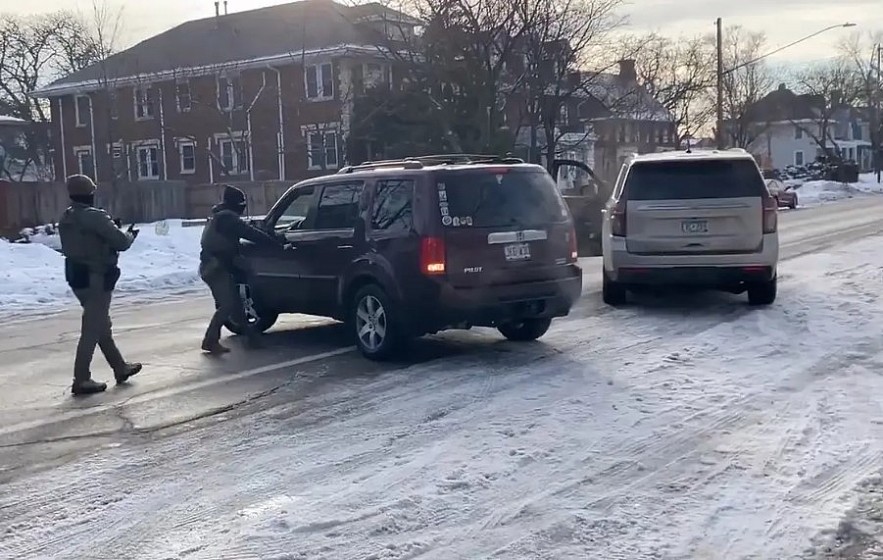 |
| An ICE agent approaching the vehicle moments before the shooting |
What do we know about the agent’s role?
According to DHS, the agent was operating as part of a large-scale ICE enforcement surge in Minnesota, described by federal officials as one of the largest such deployments in the state’s history.
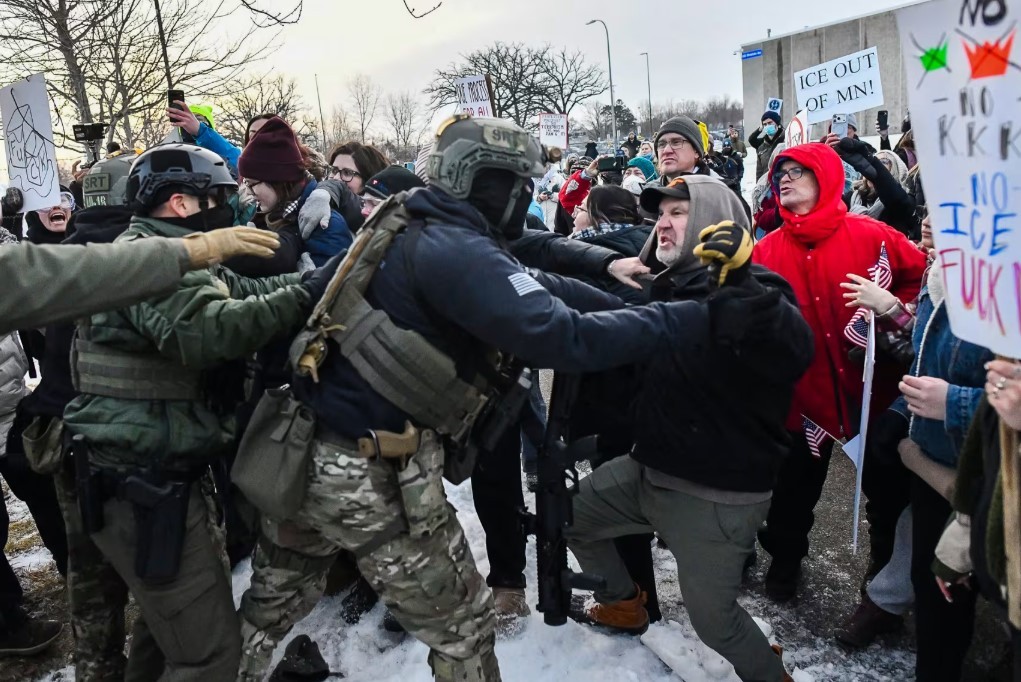
The agent was reportedly on foot during a confrontation involving community members attempting to block ICE vehicles. DHS claims the agent fired three defensive shots after Good allegedly drove her SUV toward officers.
Federal officials have emphasized that the agent believed his life — and the lives of others — were in immediate danger.
Read more: Is Timmy Ray Macklin Jr. the ICE Agent Who Shot Renee Nicole Good in Minneapolis?
Social Media Circulates Alleged Image of ICE Agent in Minneapolis Shooting
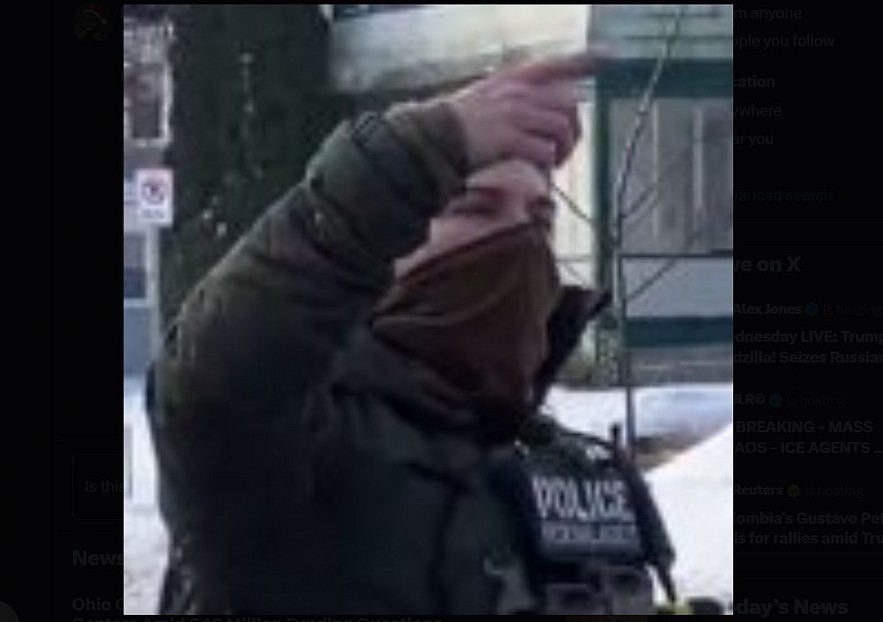 |
| Social Media Circulates Alleged Image of ICE Agent in Minneapolis Shooting |
Images and video clips circulating on social media are being shared as showing the ICE agent believed to have fatally shot Renee Nicole Good in south Minneapolis, though authorities have not confirmed the agent’s identity or verified the images.
Posts on platforms including X and Instagram feature still frames from widely shared videos, highlighting a federal officer in tactical gear near Good’s SUV moments before gunfire erupted. Some users claim the images reveal the shooter’s face or movements during the confrontation, prompting online speculation and amateur attempts to identify the agent.
Federal officials have not released any photos of the officer involved and have warned that unverified images can be misleading. DHS has cited the ongoing investigation as the reason for withholding the agent’s name and visual identification.
The viral images have intensified debate online, with some users accusing the agent of excessive force while others argue the footage supports claims of self-defense — underscoring how quickly unconfirmed information can shape public perception in high-profile cases.
Why video evidence matters to the agent’s identity
Multiple videos of the shooting have complicated DHS’s narrative and intensified calls to identify the shooter.
The footage shows ICE agents surrounding Good’s vehicle, ordering her to exit, and attempting to open the driver-side door. The SUV then reverses and accelerates forward before an agent fires several rounds.
What remains unclear — and central to determining the agent’s legal exposure — is whether:
-
The agent was struck or nearly struck by the vehicle
-
Commands were clearly issued and coordinated
-
Lethal force was the only reasonable option
Because these questions directly involve the shooter’s judgment and training, critics argue the agent’s identity is essential for public trust.
Why ICE is refusing to name the agent
Federal law enforcement agencies often delay releasing names to protect officers from threats and harassment, particularly in high-profile cases involving protests.
But the secrecy has drawn sharp criticism from Minneapolis officials, including Mayor Jacob Frey, who has publicly disputed DHS’s version of events and demanded ICE leave the city.
Civil liberties attorneys say prolonged anonymity risks undermining confidence in the investigation — especially when video evidence contradicts official statements.
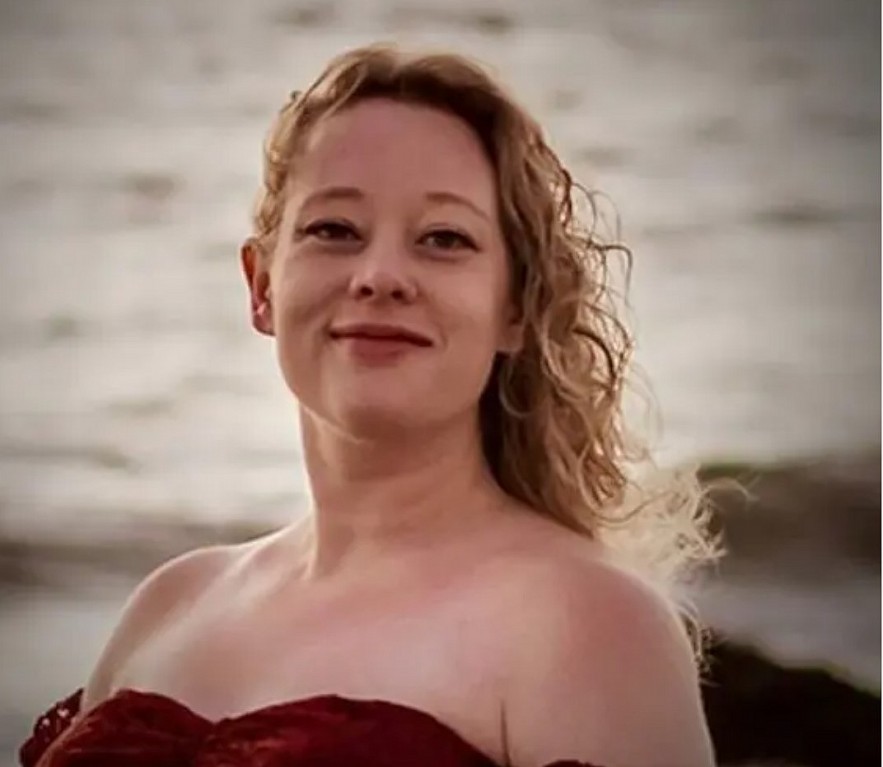 |
| Renee Nicole Good was identified as the woman fatally shot by ICE in Minneapolis on Jan. 7 |
Is the agent facing investigation or discipline?
Yes — but details are scarce.
The shooting is under joint review by the Federal Bureau of Investigation and the Minnesota Bureau of Criminal Apprehension.
Investigators are expected to examine:
-
The ICE agent’s training and use-of-force history
-
Compliance with DHS lethal-force policy
-
Body camera availability and radio communications
-
Whether the agent followed de-escalation protocols
So far, neither agency has said when findings will be released or whether the agent could face criminal or administrative consequences.
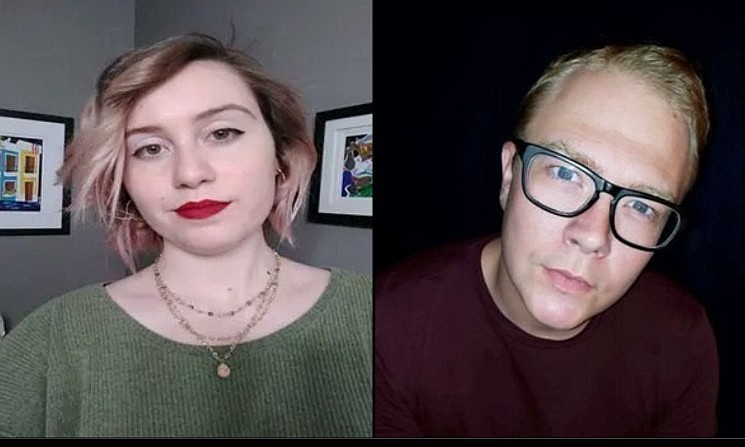 |
| Is anyone else wondering why Tim Macklin who died in 2023 has no information about his death. He was a comedian married to Renee Nicole Good who just tried to run over an ice officer and was killed by ice? |
Why the agent’s identity matters to the public
In recent years, the identities of officers involved in fatal shootings have often been released within days, particularly when civilians are killed and video evidence exists.
Advocates argue that naming the ICE agent would not only promote transparency but also clarify whether the shooter had prior complaints, disciplinary actions, or use-of-force incidents — factors that could shape public understanding of the case.
For Good’s family, the silence has been especially painful. They have said they are still waiting for basic answers about who killed her and why.
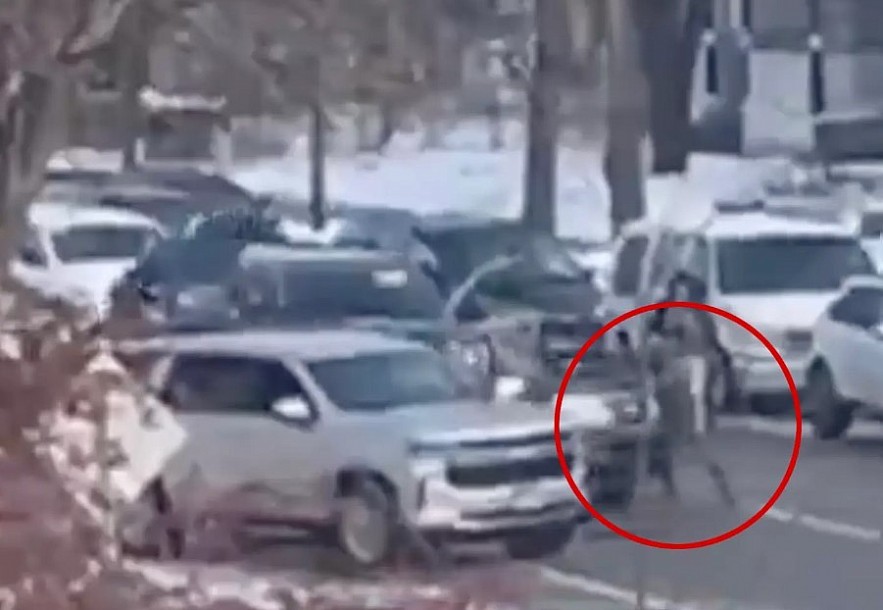 |
| The ICE agent seen in front of the Honda Pilot as it comes towards him |
A broader test for ICE accountability
The question of who the ICE agent is has come to symbolize a deeper debate about federal immigration enforcement in American cities.
Unlike local police, ICE agents often operate with limited public visibility, answer to federal authorities rather than city governments, and face fewer local accountability mechanisms.
That structure is now under intense scrutiny in Minneapolis.
Until the agent is identified — and investigators explain precisely how and why deadly force was used — the case of Renee Nicole Good will remain less about a single tragic encounter and more about who holds power, who is accountable, and who answers when a civilian dies.
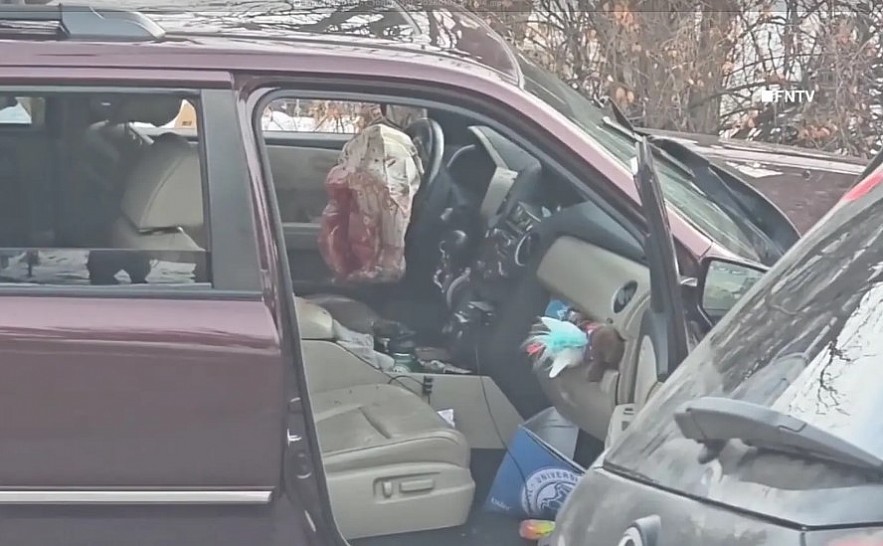 |
| Inside her vehicle |
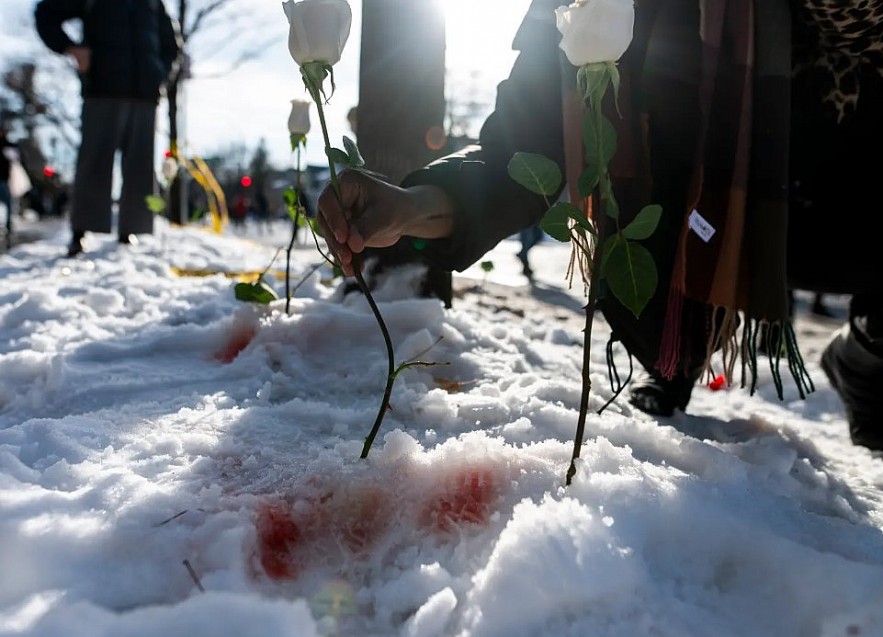 |
| People placing flowers in the snow near the scene of the shooting |