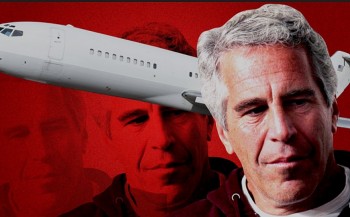
Who Is Jonathan Ross? Background of the ICE Agent Identified in the Renee Nicole Good Shooting

As investigations continue into the fatal shooting of Renee Nicole Good, multiple U.S. news outlets have identified Jonathan Ross as the Immigration and Customs Enforcement agent who fired the deadly shots during a confrontation in south Minneapolis.
Federal authorities have not officially confirmed the agent’s name, citing ongoing investigations. Still, Ross’s identity has been independently reported by several media organizations, shifting the focus from institutional policy to the individual officer at the center of one of the most controversial federal use-of-force cases in recent years.
Read more: A Critical Moment Before the Gunfire: How the Minneapolis ICE Shooting Unfolded
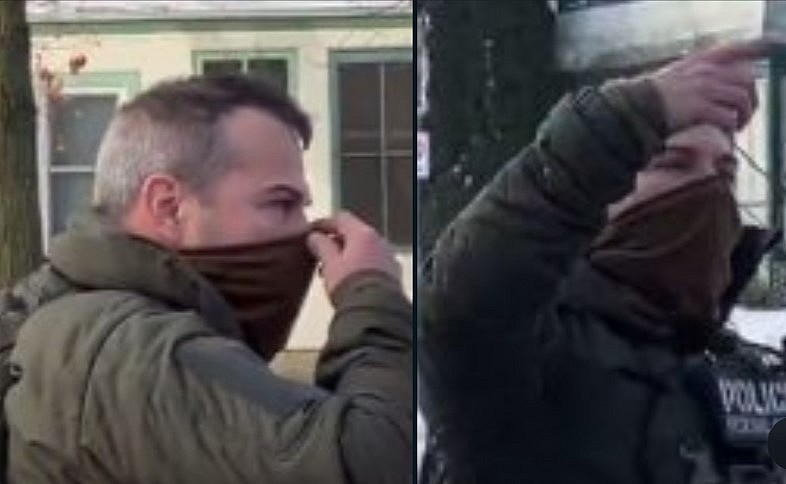 |
| Jonathan Ross, the ICE agent believed to have fatally shot Renee Nicole Good in south Minneapolis, though authorities have not confirmed the agent’s identity or verified the images |
A career in federal enforcement
Public records and law enforcement sources describe Ross as a career federal agent assigned to ICE enforcement operations in the Upper Midwest. His work reportedly involved high-risk field activity, including vehicle stops, fugitive apprehensions, and immigration-related enforcement actions.
ICE agents operate under Department of Homeland Security, and unlike local police, they frequently conduct operations without public advance notice or local coordination. Officials say Ross was part of a multi-agent operation on January 7 when the confrontation with Good escalated.
DHS has said the agent acted in self-defense after perceiving an imminent threat. Minneapolis officials dispute that characterization.
The prior incident now drawing scrutiny
Ross’s background has attracted renewed attention because of a previously documented incident in June 2025 that multiple outlets have now confirmed.
During an enforcement action in Bloomington, Minnesota, Ross was seriously injured when a driver fled a traffic stop. Prosecutors said the agent’s arm became trapped as the vehicle accelerated, dragging him roughly 100 yards before he was freed. Ross was hospitalized with significant injuries to his arm and hand.
The driver, Roberto Carlos Munoz-Guatemala, was later convicted in federal court of assaulting a federal officer. Court records named the defendant and detailed the injuries, but — consistent with DHS practice — did not publicly identify Ross.
Federal officials and law enforcement advocates now cite that earlier incident as context, arguing it helps explain Ross’s response to a moving vehicle in Minneapolis. Civil rights groups caution against retroactively justifying lethal force based on prior trauma.
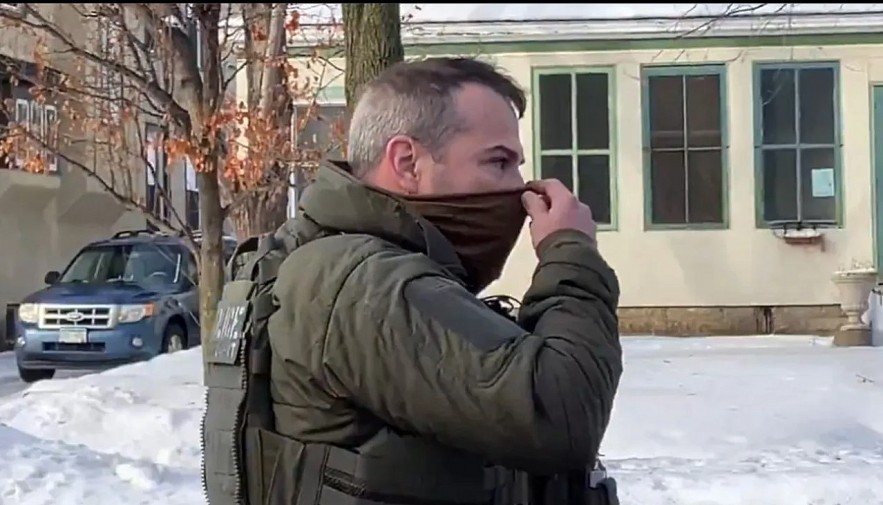 |
| ICE officer who fatally shot woman in Minneapolis identified |
Family life and privacy
Little verifiable information has been released about Ross’s personal life. Multiple reports indicate he is married and has children, but details about his family, residence, and background have been withheld.
DHS has long maintained that protecting agents’ identities — and by extension their families — is essential to officer safety, particularly amid polarized debate over immigration enforcement. Critics argue that such secrecy becomes problematic when lethal force is involved.
Training and use-of-force standards
ICE agents receive federal law enforcement training that includes use-of-force decision-making and vehicle-threat scenarios. Federal policy allows deadly force if an agent reasonably believes there is an imminent threat of death or serious bodily harm.
Whether Ross’s actions met that standard is now under review by the Federal Bureau of Investigation and state authorities.
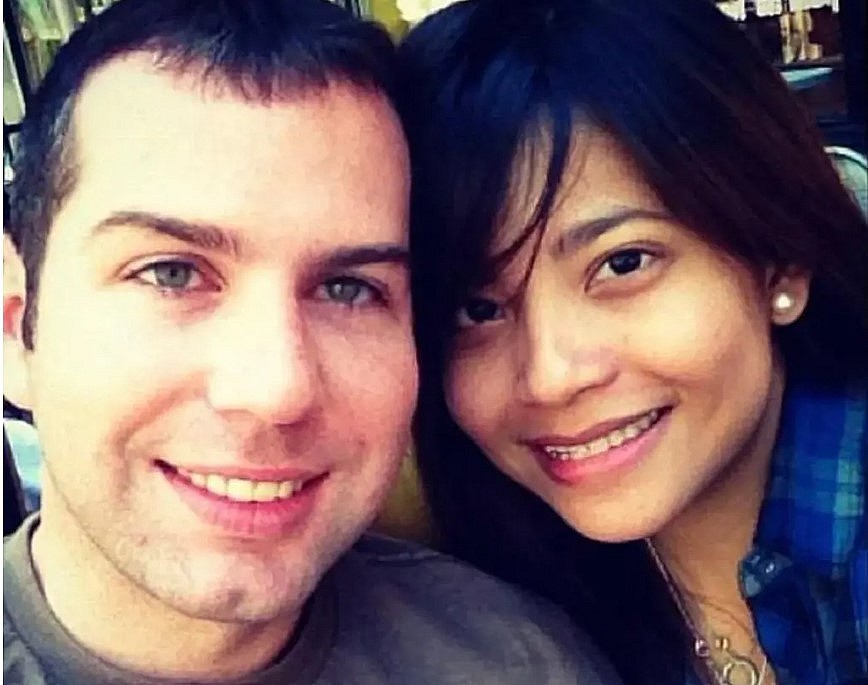 |
| Jonathan Ross (here with his wife), the ICE agent who killed Renee Good in Minneapolis |
A case larger than one name
The identification of Ross marks a turning point. For days, the Minneapolis shooting was framed largely in institutional terms — ICE policy, federal authority, and competing narratives over video evidence. Naming the agent personalizes the controversy and intensifies demands for accountability.
Minneapolis Mayor Jacob Frey has challenged the federal account, while DHS continues to defend the agent’s actions. No charges have been filed, and investigations remain ongoing.
What remains unresolved
Key questions remain unanswered:
-
Will prosecutors determine the shooting was legally justified?
-
Will the Good family file a civil lawsuit that forces further disclosure?
-
Will Congress seek testimony or records related to ICE use of force?
For now, Jonathan Ross stands at the center of a national debate over federal power, transparency, and the limits of anonymity when a civilian is killed.
As the legal process unfolds, the outcome will not only shape Ross’s future — but may also redefine how much the public is allowed to know when federal agents use deadly force in American neighborhoods.