Is Warning Others About ICE Illegal? Obstruction Laws vs First Amendment Protection

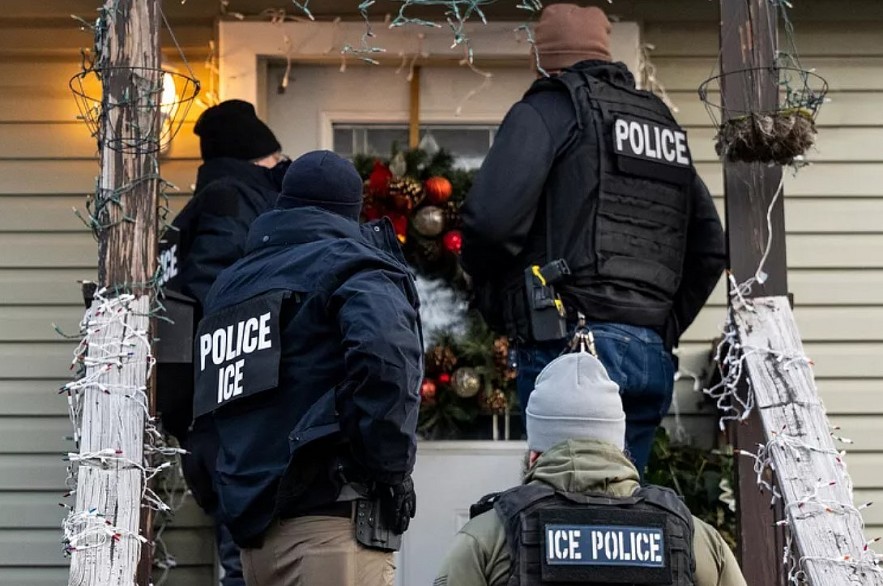 |
| ICE agents |
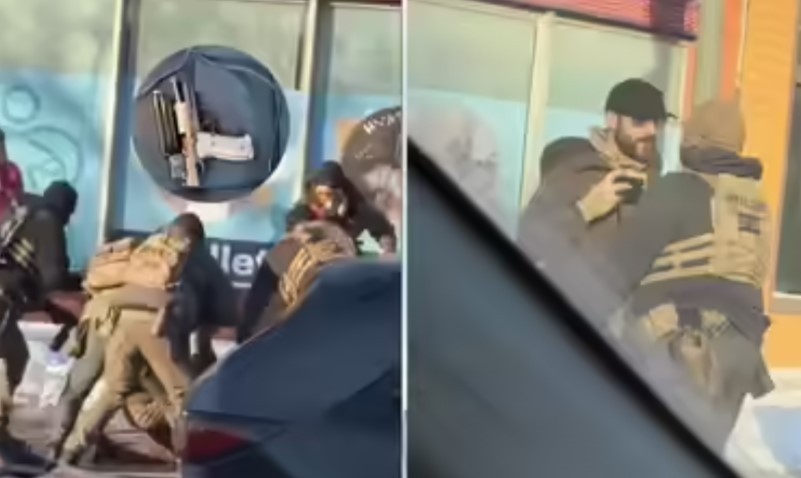
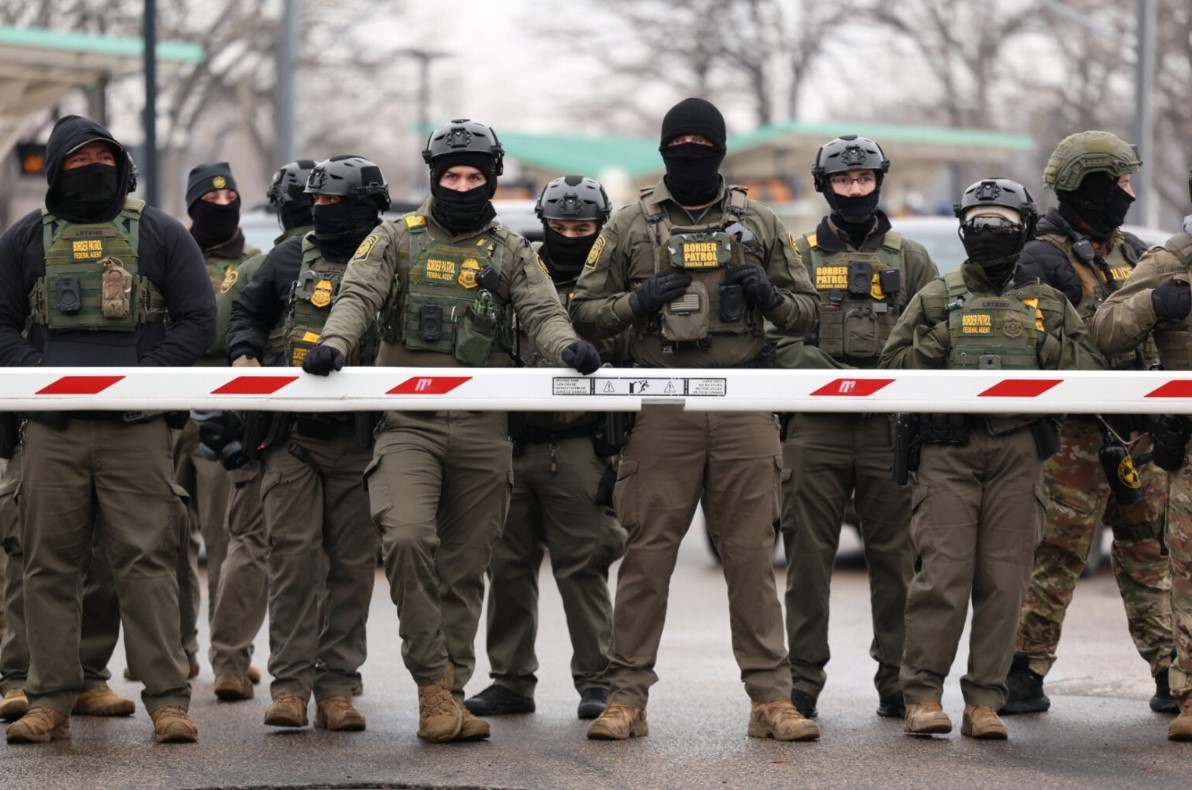
In recent years, activists and community members across the U.S. have used whistles, social media posts, text alerts, and live streams to warn others about the presence of Immigration and Customs Enforcement (ICE).
Supporters say these actions protect constitutional rights. Critics claim they amount to obstruction of justice. The law sits between those two claims—and the line is narrower than many assume.
Read more:
- What is the 100-Mile Border Zone, And How Far ICE and Border Patrol Powers Really Go
- ICE Agents Explained: Who They Are, What They Do, and Why They’re Under Scrutiny
- Border Patrol Agents Explained: Who They Are, What They Do, and How They Differ from ICE Agents
The First Amendment Starting Point: Speech Is Broadly Protected
The First Amendment protects speech, assembly, and the right to gather and share information in public spaces. Courts have consistently held that:
-
Criticizing law enforcement is protected
-
Protesting government action is protected
-
Observing and recording officers in public is protected
Warning others that ICE is present—by itself—is speech, and speech is presumptively lawful.
Supreme Court principle:
“Speech concerning public affairs is more than self-expression; it is the essence of self-government.”
(Garrison v. Louisiana, 1964)
What “Obstruction of Justice” Actually Requires
Federal obstruction statutes do not criminalize criticism or general warnings. To prove obstruction, prosecutors must typically show:
-
Specific intent to interfere with law enforcement
-
Concrete action that materially impedes an investigation or arrest
Relevant statutes include:
-
18 U.S.C. § 1505 (obstruction of proceedings)
-
18 U.S.C. § 1512 (tampering or interference)
General speech, even if inconvenient for law enforcement, does not meet this standard.
Warning vs Aiding Evasion: Where the Line Is
Courts draw a distinction between general alerts and targeted assistance.
Often Protected
-
Chanting “ICE is here” during a protest
-
Posting public alerts on social media
-
Filming and narrating ICE activity in public
-
Blowing whistles or ringing bells as a warning
Higher Legal Risk
-
Directing a specific person to flee arrest
-
Physically blocking officers
-
Providing real-time tactical guidance to evade capture
-
Coordinating movements to disrupt an active arrest
The key factor is intent to materially assist evasion, not mere awareness.
What Courts Have Said About Similar Conduct
While few published cases focus specifically on ICE alerts, courts have addressed analogous situations.
In United States v. Aguilar (1995), the Supreme Court emphasized that obstruction requires a “nexus” between conduct and interference with official action.
Legal experts note that generalized warnings lack that nexus unless paired with intentional interference.
Protest, Buffer Zones, and “Interference” Claims
Some states and cities enforce buffer zone laws requiring protesters to keep a set distance from law enforcement after a warning.
Example:
-
Florida’s 25-foot buffer law for first responders (currently under constitutional challenge)
These laws regulate where speech occurs, not what is said—but courts are closely scrutinizing whether they chill protected expression.
As of 2025, no federal court has ruled that warning speech alone constitutes obstruction.
Real-World Enforcement Reality
Despite aggressive rhetoric, prosecutors have rarely brought obstruction charges based solely on warnings or filming.
Former federal prosecutors have publicly stated that such cases would be difficult to win, requiring proof beyond mere protest or speech.
As one former DOJ attorney told USA TODAY, prosecutors would need to show that a person knew and intended to help someone evade arrest—not just express opposition.
Practical Guidelines for Lawful Protest and Alerts
To stay clearly within First Amendment protection:
-
Keep distance from officers
-
Do not block movement or touch agents
-
Avoid directing specific individuals during arrests
-
Frame speech as warning or protest, not coordination
-
Document rather than intervene
Speech is safest when it is general, public, and non-coercive.
Reference Table
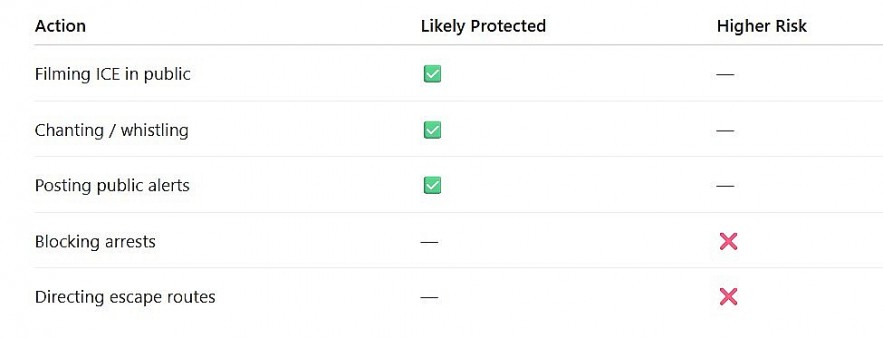 |
| Is warning others about ICE illegal |
FAQs
Is warning others about ICE automatically illegal?
No. Speech alone is not obstruction.
Can police order protesters to stop warning others?
Only if the conduct interferes with enforcement or violates valid buffer rules.
Can noncitizens protest or warn others?
Yes. First Amendment protections apply to all persons in the U.S.
Has anyone been convicted just for warning about ICE?
There is no clear precedent of conviction based solely on warning speech.
Why This Matters
At stake is a core constitutional question: Can the government criminalize warnings about its own actions?
So far, courts have answered cautiously. The First Amendment protects speech that is uncomfortable for power. Obstruction laws punish interference—not dissent.
Knowing the difference helps protect both public safety and constitutional freedom.