ICE Agents Explained: Who They Are, What They Do, and Why They’re Under Scrutiny

 |
| Can you record ICE agents |
Understanding ICE
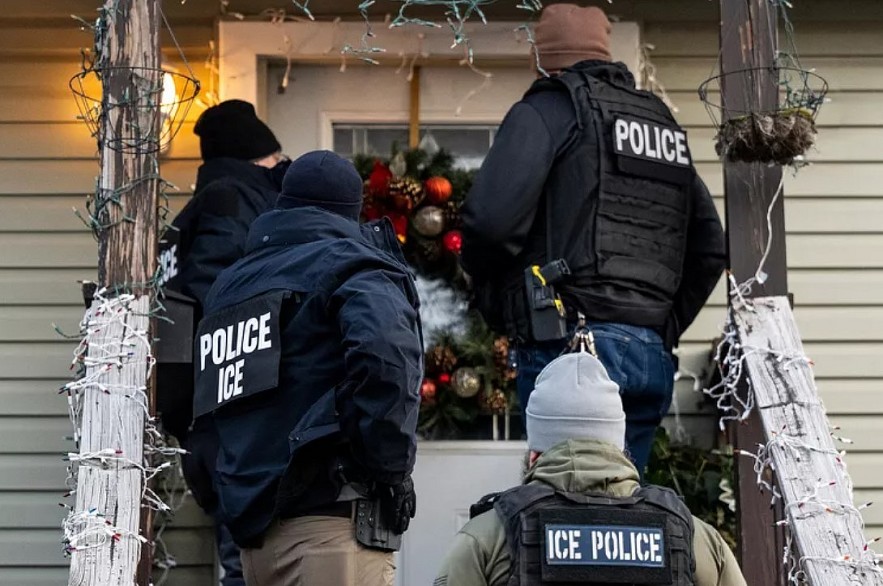
U.S. Immigration and Customs Enforcement (ICE) is the federal law enforcement agency most directly responsible for enforcing immigration laws within the interior of the United States. Founded after the September 11, 2001 terrorist attacks under the Homeland Security Act of 2002, ICE operates under the Department of Homeland Security (DHS) and has broad authority to investigate crimes, arrest immigrants without legal status, detain them, and oversee their removal from the U.S.
In 2025 and early 2026, ICE has expanded its operations significantly — in staffing, scope, detention capacity, and the intensity of its enforcement. These changes have made ICE agents a central focus of national debate, especially following several controversial use-of-force incidents, including the shooting of a U.S. citizen in Minneapolis in January 2026.
What Is ICE and What Do ICE Agents Do?
ICE: The Agency
ICE stands for U.S. Immigration and Customs Enforcement. It is the largest investigative arm of the Department of Homeland Security (DHS), tasked with upholding more than 400 federal statutes related to immigration and customs enforcement.
ICE’s mission: to protect national security and public safety by combatting cross-border crime, illegal immigration, and violations of customs law.
ICE Divisions
ICE operates primarily through two divisions:
1. Enforcement and Removal Operations (ERO)
ERO focuses on identifying, arresting, detaining, and ultimately removing (deporting) people in the U.S. without legal status. These operations include interior arrests in workplaces, neighborhoods, and during traffic stops.
2. Homeland Security Investigations (HSI)
HSI conducts criminal investigations into immigration-related crimes — such as human trafficking, smuggling, financial fraud, and crimes that exploit U.S. borders or customs systems.
ICE agents are federal law enforcement officers with the power to arrest, detain, and investigate under federal law. They carry firearms, make arrests, execute warrants, and collaborate with other agencies like Customs and Border Protection (CBP), the FBI, and local police.
Read more:
- Can You Record ICE Agents? and What Your Rights Are After the Minneapolis Shooting
- Why Prosecuting the ICE Agent in the Renee Good Shooting Is Unlikely
Legal Rights When Encountering ICEWhether someone is a U.S. citizen or not, constitutional protections apply during interactions with law enforcement. Individuals have the right to remain silent if questioned by immigration officers and can request legal representation during proceedings. |
How ICE Has Changed Recently
Rapid Growth in Enforcement
ICE’s staffing has grown sharply in the past year. The agency more than doubled its workforce in 2025 to meet expanded federal immigration enforcement priorities.
Policy Changes
Under current federal leadership, ICE has:
-
Expanded interior enforcement and workplace raids in major cities.
-
Increased detention use, often without traditional bond hearings.
-
Seen lawmakers challenge ICE authority at the state level, such as proposed laws restricting former ICE agents from state law enforcement roles.
A major spending bill passed by Congress — the One Big Beautiful Bill Act — allocates billions more to immigration enforcement and ICE operations, including detention expansion and hiring initiatives.
Controversies Highlighting ICE in 2026
Twin Cities Shooting
 |
| Renee Nicole Good identified by mother as woman fatally shot by ICE agent in Minneapolis |
On January 7, 2026, an ICE agent shot and killed a woman identified as Renee Nicole Good during an enforcement operation in Minneapolis linked to a larger federal campaign often called Operation Metro Surge. This operation was described by the Department of Homeland Security as one of the largest immigration enforcement efforts ever conducted in the United States.
Good, a U.S. citizen, was shot multiple times in her vehicle after a confrontation with ICE agents. The federal government stated the agent acted in self-defense, a position supported by the Justice Department, which declined to investigate the shooting further.
But witnesses, family members, and many community leaders strongly dispute the official account, saying the shooting was unjustified and the woman posed no threat. Public opinion polling shows a majority of Americans view the shooting as unjustified.
Video - Moment ICE agent fatally shoots woman in Minneapolis:
Protests and Lawsuits
The shooting sparked widespread protests and legal action. A federal judge in Minnesota has issued restrictions on how immigration agents can use force against peaceful protesters, though broader enforcement operations have continued.
Local officials also raised concerns that ICE has engaged in unlawful stops and racial profiling of residents — including off-duty police officers — during enforcement sweeps.
Other Incidents
Separately, in January 2026 a Venezuelan man was shot in the leg by an ICE agent during a struggle in North Minneapolis, prompting further debate about tactics and training.
Another widely shared incident involved ICE entering a Minnesota home and detaining a naturalized U.S. citizen in his underwear amid sub-zero temperatures — an event that drew criticism from civil rights advocates.
 |
| The ICE agent believed to have fatally shot Renee Nicole Good in south Minneapolis, though authorities have not confirmed the agent’s identity or verified the images |
ICE Enforcement Data Snapshot
Here’s a 2025-2026 snapshot of ICE activity:
| Category | Latest Details |
|---|---|
| Workforce | Doubled in 2025 with aggressive recruitment efforts |
| Operations | Operation Metro Surge deployed ~3,000 agents in Minneapolis area ( |
| Budget | Expanded funding under the One Big Beautiful Bill Act |
| Use of Force Controversies | Multiple shootings including the Minneapolis incident |
| Public Opinion | Majority of Americans consider recent use of force unjustified |
| Detention Expansion | Growing detention system, legal challenges continue |
What ICE Agents Can and Cannot Do
Lawful Powers:
-
Arrest people suspected of immigration law violations.
-
Execute federal warrants.
-
Detain individuals in immigration custody.
-
Investigate criminal activity related to immigration and customs.
Limitations:
-
ICE cannot operate outside U.S. law and constitutional protections.
-
Use of force must meet legal standards; unjustified use can lead to legal challenges.
-
ICE does not conduct border enforcement at ports of entry — that’s CBP’s role.
Legal scholars note that immigration agents are federal law enforcement with broad powers, but excessive force or civil rights violations can subject the agency to litigation and public scrutiny.
ICE has 212 active detention facilitiesICE currently operates 212 active detention facilities across the United States. These include ICE-run detention centers, privately operated prisons, and county jails under federal contracts. From October 1 to December 26, 2025, ICE held an average of 65,000–69,000 detainees per day, the highest level in the agency’s history. In early January 2026, the total number of people in ICE custody reached about 68,990 nationwide. Most detainees are held while awaiting immigration court decisions or deportation. Importantly, many have no criminal convictions, a fact that has intensified legal challenges and public debate over ICE’s expanding detention system and enforcement approach. |
How Many Immigrants Does ICE Deport?
According to historical data on removals (formal deportations) and returns (voluntary or otherwise returned without a court order), ICE processed roughly 2.32 million book-ins (removals or returns) between October 2014 and November 2024. This time span covers 10 years of interior enforcement operations across both Republican and Democratic administrations.
-
Highest annual removals & returns: 2014 — 315,940
-
Lowest: 2021 — 59,010
-
10-year average (2014–2024): ~206,565 per year
-
FY 2025 (Oct 2024–Nov 2024): 52,220 removals so far — reflecting a continuation of enforcement trends early in FY 2025.
This long-term pattern shows that immigration enforcement ebbs and flows with broader policy shifts, border conditions, pandemic impacts, and shifts in administration priorities.
Deportations in Recent Years (2024–2025)
ICE and DHS published enforcement data through annual trend reports:
-
Fiscal Year (FY) 2024:
ICE recorded 271,484 deportations — the highest total in about a decade and the strongest year since 2014. -
Calendar Year 2025:
Migration Policy Institute (MPI) estimates for FY 2025 suggest about 340,000 deportations conducted by ICE alone, with additional removals by U.S. Customs and Border Protection (CBP) extending total U.S. deportations much higher. -
Total Deportations (Jan 2025 – Late 2025):
Combined data across agencies suggests nearly 350,000 deportations have taken place since January 2025 (not counting self-deportations and some CBP removals) — illustrating a significant uptick compared with earlier years.
FAQs About ICE and ICE Agents
1. Are ICE agents police?
Yes. ICE agents are federal law enforcement officers with authority to arrest, detain, and enforce federal immigration laws. They are not local police but have similar arrest powers on immigration matters.
2. Do ICE agents need a warrant to arrest someone?
ICE can detain someone without a judicial warrant if they reasonably suspect the person is in the U.S. unlawfully. For home arrests, a warrant is often sought, but not always required under federal law.
3. Can ICE agents detain U.S. citizens?
ICE’s mission focuses on non-citizens, but controversial incidents have involved U.S. citizens, raising legal and civil rights concerns. Any detention of a U.S. citizen would be legally unlawful if based solely on citizenship status.
4. What rights do people have when confronted by ICE?
Individuals have the right to remain silent and to consult an attorney. They should ask if they are free to leave before answering questions. Constitutional protections apply.
5. Can state and local governments restrict ICE activities?
States can pass laws affecting how ICE agents interact with local enforcement, but federal immigration law remains supreme. Some states are actively considering limits on former ICE personnel serving in certain local roles.
Conclusion
ICE agents are a central part of U.S. immigration enforcement — with authority to investigate, arrest, detain, and remove undocumented people and protect the country from cross-border crime. In 2026, ICE’s expanded operations, increased workforce, and recent controversial use-of-force incidents — including the Minneapolis shooting — have intensified public debate about the role and oversight of this powerful agency.