Can Nicolás Maduro Ever Walk Free? No Bail, Little Shelter

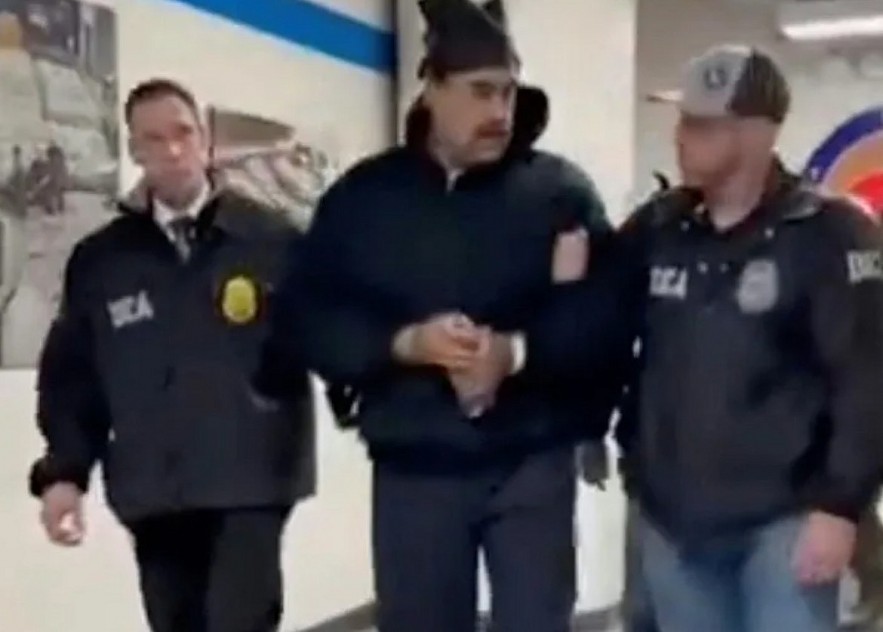 |
| Ousted Venezuelan President Nicolas Maduro is set to appear in Manhattan federal court on Monday, Jan 5 |
As Venezuela’s longtime strongman prepares for proceedings in Manhattan federal court, the question dominating legal and political circles is stark: does Nicolás Madurohave any realistic path back to freedom?
Under U.S. law, the answer appears grim. The charges prosecutors have assembled carry mandatory minimum sentences measured in decades and allow judges to impose life imprisonment. Even before a jury hears evidence, the structure of the case leaves little room for leniency.
Read more: Who Could Be Venezuela’s Next President? Delcy Rodríguez or María Machado
The Core Case Against Maduro
Prosecutors allege that Maduro led or protected a criminal enterprise that moved massive quantities of cocaine toward the United States while using violence, weapons, and armed partners to secure trafficking routes. At the heart of the case are narco-terrorism and large-scale drug conspiracy counts—offenses reserved for operations that blend narcotics with organized violence.
Those charges matter because they trigger the harshest provisions of federal law:
-
Mandatory minimums beginning at 20 years
-
Statutory maximums of life in prison
-
Sentencing enhancements if prosecutors prove leadership, scale, or use of weapons
Additional counts tied to firearms and material support further raise the ceiling. In practical terms, a conviction on just the top counts could put Maduro behind bars for the rest of his life.
Why “Decades” Often Means Life
Federal judges sentence within guidelines that weigh drug quantity, leadership role, violence, and obstruction. For defendants in their early 60s, any sentence above 30 years functions as a life term, regardless of whether the judge formally pronounces “life.”
That reality narrows Maduro’s options. Winning outright acquittal is the only clean exit. Everything else—partial convictions, guideline reductions—still leaves exposure measured in decades.
Read more: Could Maduro Walk Free Like Former Honduran President? Why the Odds Are Far Lower
No Bail, Little Shelter
Pretrial release is virtually off the table. Courts assess flight risk, access to resources, and national-security concerns; on each factor, Maduro scores at the extreme end. Detention is the default.
Claims of head-of-state immunity offer little refuge. U.S. courts are likely to weigh whether Maduro is recognized as a legitimate sitting president at the time of trial. Without that recognition, ordinary criminal jurisdiction applies.
Read more: What Comes Next for Venezuela?
Could a Deal Change the Math?
In theory, yes. In practice, only extraordinary cooperation would move the needle—cooperation that meaningfully advances U.S. interests. That could include intelligence disclosures, asset recovery, or steps that facilitate a verifiable political transition in Venezuela.
Even then, prosecutors would have to balance any concessions against the gravity of the alleged conduct. Reductions are possible; freedom is not.
What About a Pardon?
A presidential pardon is legally available at any stage after charges are filed. Politically, it is rare and explosive—especially for crimes involving narcotics and violence. History suggests pardons in cases like this are exceptional, not routine.
The closest parallel is Manuel Noriega, captured abroad, tried in New York, and sentenced to decades in prison. He received sentence reductions over time, not a pardon.
| Manuel Antonio Noriega (1934–2017) was a Panamanian military officer who ruled Panama de facto from 1983 to 1989 |
Trump Pardons Hernández, Former Honduran President Convicted of Cocaine Trafficking
U.S. President Donald Trump has granted a presidential pardon to Juan Orlando Hernández, the former president of Honduras who was sentenced in 2024 to life in prison by a U.S. federal court for large-scale drug trafficking.
Hernández was convicted after prosecutors said he used his presidential power to protect traffickers and help move an estimated 400 tons of cocaine into the United States over more than a decade. The pardon, issued in early December 2025, immediately vacates the life sentence and orders his release.
The decision has reignited debate over the use of presidential clemency in major international narcotics cases, especially involving former heads of state tried in U.S. courts.
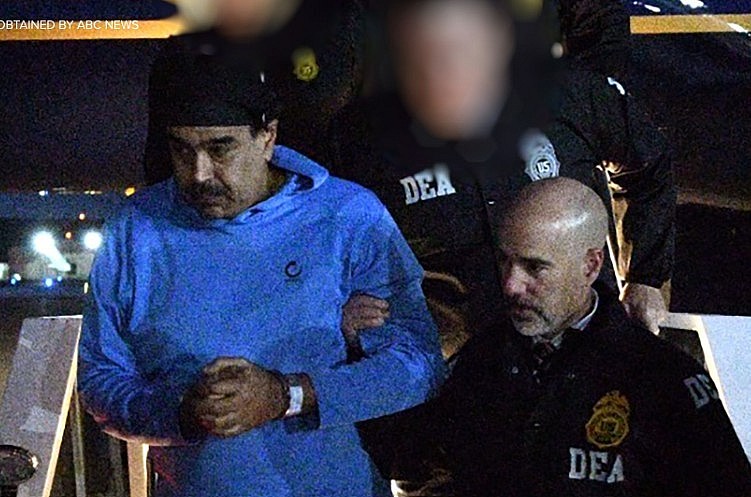 |
| Ousted Venezuelan President Nicolás Maduro is scheduled to appear in Manhattan federal court on Monday to face narco-terrorism charges, following his U.S. military capture that has plunged the oil-rich nation into uncertainty. |
Why Prosecutors Hold the Leverage
The leverage comes from stacked statutes and mandatory minimums. Prosecutors do not need to win every count to secure a crushing sentence. One or two convictions at the top tier suffice.
That leverage also shapes the broader political context. With so little room to maneuver, Maduro’s legal fate is tethered less to rhetoric and more to courtroom outcomes—motions, evidence, and, ultimately, a verdict.
Bottom Line
Can Nicolás Maduro ever walk free? Only under extraordinary circumstances. Absent acquittal, the most realistic outcomes range from multiple decades to life in prison. Deals can shorten sentences; they rarely erase them. In this case, U.S. law—not diplomacy—sets the boundaries.
FAQs
How long could Maduro be sentenced if convicted?
Mandatory minimums start at 20 years; realistic exposure is 30 years to life.
Is bail possible?
No. Flight risk and national-security concerns make release extremely unlikely.
Does immunity protect him?
Unlikely. Without recognition as a sitting head of state, immunity defenses weaken.
Could he take a plea deal?
Yes, but only with extraordinary cooperation; freedom would still be improbable.
Is a presidential pardon realistic?
Legally possible, politically highly unlikely.
What precedent matters most?
The Noriega case—capture, trial in New York, decades in prison—offers the closest historical guide.