Who Is the “Texas Serial Killer”? Rumors, Facts, and What Authorities Really Know

 Rose Bundy Biography: Still Alive and Where Is She Now Rose Bundy Biography: Still Alive and Where Is She Now |
 Love Story of Carol Anne Boone and Serial Killer Ted Bundy: Did They Have A Child? Love Story of Carol Anne Boone and Serial Killer Ted Bundy: Did They Have A Child? |
 Who is Joanna Dennehy: Britain’s Most Dangerous Female Killer Who is Joanna Dennehy: Britain’s Most Dangerous Female Killer |
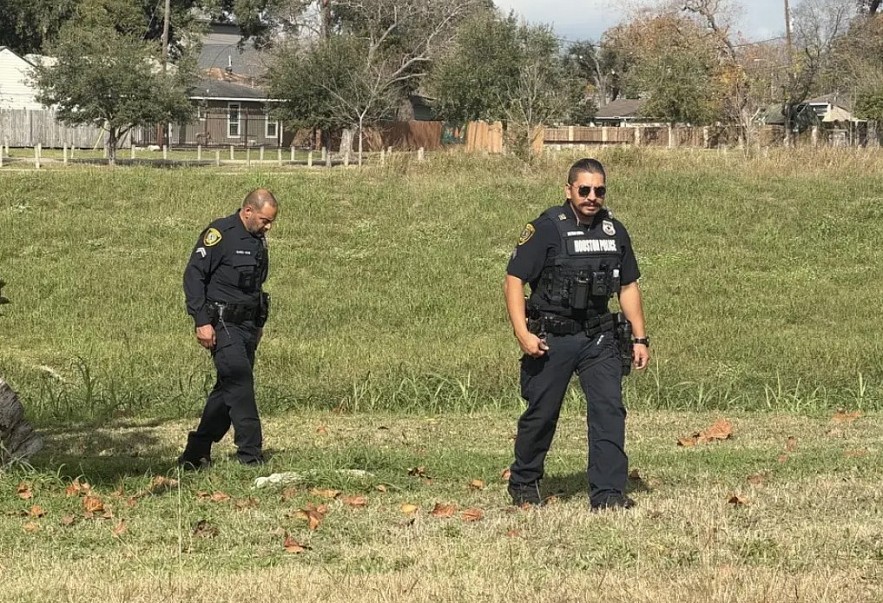 |
| Rumors are rife that a serial killer is on the loose after three bodies were discovered in Houston's Buffalo Bayou this week |
The claims surged after several bodies were discovered in local bayous, including Buffalo Bayou and Brays Bayou, prompting speculation that a single perpetrator might be behind the deaths. The story is disturbing, highly shareable, and emotionally charged.
But when examined closely, the facts paint a far more complex and less sensational picture.
Read more: Who was Jeffrey Dahmer: Full List of Victims and True Story Behind Netflix's Series
What Triggered the Serial Killer Rumors?
The latest wave of concern began after police recovered multiple bodies from Houston-area bayous this week. Two bodies were found on the same Monday morning, bringing the total number of bayou-related deaths in the city this year to 33, according to data from the Harris County Institute of Forensic Sciences. That number is striking because it nearly matches last year’s total of 35, the highest count recorded in the past nine years.
One body was located in Buffalo Bayou near downtown Houston, after a passerby contacted emergency services. The second was found near Brays Bayou, close to Texas Spur 5 and Old Spanish Trail. Although both discoveries occurred within hours of each other, police emphasized that the locations and circumstances differed.
Earlier this year, six bodies were discovered within an 11-day period in September, a cluster that significantly intensified public anxiety and fueled online theories of a serial killer operating in the city.
What Law Enforcement Is Saying
Despite the viral claims, the Houston Police Department has been consistent in its response: there is no evidence of a serial killer. Authorities say investigators have not identified shared patterns in victims, causes of death, or physical evidence that would suggest a single suspect.
At one recovery site, HPD Sgt. Michael Cass told reporters that the body was so badly decomposed that investigators could not determine the person’s age or other identifying features. While this detail has sparked speculation online, police caution that decomposition alone does not imply foul play. Environmental exposure, time, and weather can significantly affect remains, even outside the water.
Autopsies are being conducted by the Harris County medical examiner’s office to determine identities and causes of death. Until those results are complete, officials say drawing conclusions is premature.
Read more: Top 13 Most Notorious Serial Killers In The World Of All Time
Why Bayou Deaths Are More Common Than People Think
Houston’s bayou system spans hundreds of miles and runs through densely populated areas. Over the past nine years, more than 200 bodies have been recovered from local bayous. Many of these deaths have been linked to accidental drownings, substance use, medical emergencies, or individuals experiencing homelessness who live near the waterways.
The numbers are tragic, but they are not new. What has changed is the speed and scale at which information, and misinformation, spreads online.
Separating Fear From Facts
So, who is the “Texas serial killer”? Based on verified evidence, the answer is clear: there is no confirmed serial killer connected to these deaths. What exists instead is a series of unrelated tragedies, ongoing investigations, and a public trying to make sense of alarming headlines.
That does not mean the deaths should be minimized. Each case deserves transparency, thorough investigation, and accountability. But sensational labels can distract from meaningful discussions about public safety, mental health resources, and the risks faced by vulnerable populations in a city like Houston.
For now, officials urge residents to rely on confirmed updates rather than viral posts. In moments of uncertainty, facts remain the most reliable safeguard against fear.