Why More Americans Are Going Back to Free Antenna TV — and How to Do It Right

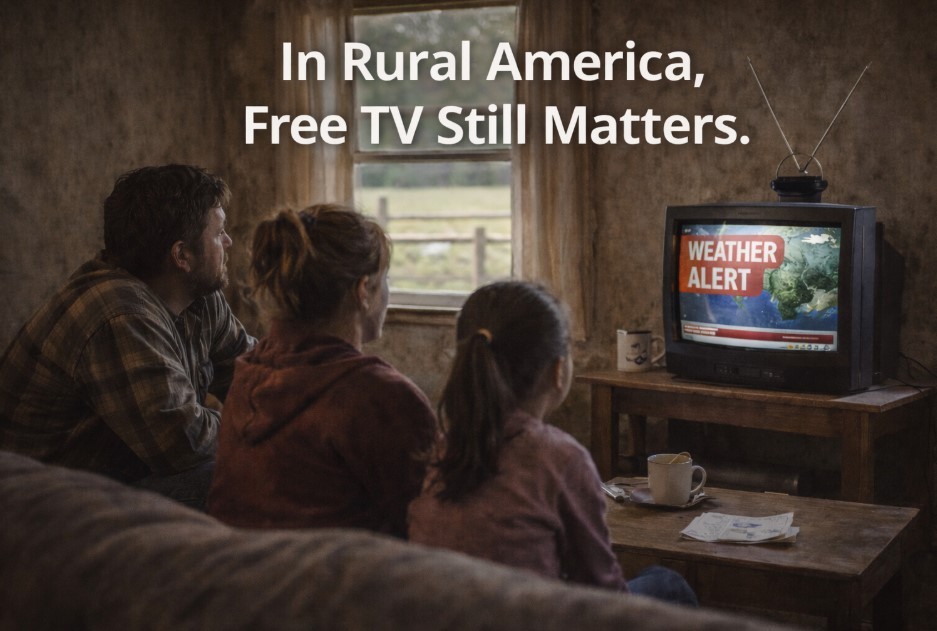
In 2026, antenna TV is no longer a symbol of cutting corners. For many Americans, it’s a practical, reliable, and surprisingly high-quality way to stay informed and entertained without paying a monthly fee. As streaming prices rise and cable feels increasingly out of step with real viewing habits, free TV is making a strong comeback.
Here’s how antenna TV works today, who it’s best for, and how to get the most value from it.
Read more: How to Rotate Streaming Services and Cut Entertainment Costs in 2026
 |
| Still Free, Still Working |
Why Antenna TV Is Growing Again in the U.S.
The renewed interest in free TV is driven by simple economics and changing habits.
Many suburban households now face:
-
Higher property taxes and insurance
-
Rising grocery and utility costs
-
Streaming subscriptions that quietly reach $60–$100 a month
Antenna TV offers something rare: one-time cost, zero monthly bills.
Just as important, broadcast television still carries content people actually watch:
-
Local news and weather
-
National news
-
Major sports events
-
Live emergency alerts
For viewers who don’t need endless on-demand libraries, antenna TV often covers the essentials.
Read more: How Many TV Channels Can You Actually Get With an Antenna? Real Numbers From Real U.S. Areas
What You Can Watch for Free With an Antenna
Modern over-the-air TV delivers crystal-clear HD, often better than compressed cable or streaming feeds.
In most U.S. metro and suburban areas, you can receive:
-
ABC – national news, sports, entertainment
-
CBS – news, NFL, primetime shows
-
NBC – news, Olympics, major events
-
FOX – sports, local programming
-
PBS – documentaries, education, kids’ shows
Beyond the major networks, many areas offer dozens of subchannels featuring:
-
Classic TV series
-
Old movies
-
Lifestyle and travel shows
-
Local government and community programming
This expanded channel lineup is one reason antenna TV feels far richer than it did a decade ago.
Why Suburban Households Benefit the Most
Antenna TV works especially well in suburban settings.
Compared to dense urban cores or very remote rural areas, suburbs often have:
-
Clearer signal paths
-
Less interference from tall buildings
-
Shorter distance to broadcast towers
This means:
-
Better reception
-
More channels
-
Fewer dropouts
For homeowners, installation is simple and often permanent. Many renters also use indoor antennas successfully without modifying the property.
Choosing the Right Antenna (Without Overthinking It)
You don’t need expensive gear to get started.
Indoor antennas
Best for:
-
Apartments
-
Suburban homes within 30–40 miles of broadcast towers
Cost: usually $15–$40
Setup: plug in, scan for channels, adjust placement near a window
Outdoor or attic antennas
Best for:
-
Homes farther from towers
-
Viewers who want maximum channel count
Cost: $50–$120 (one time)
Setup: more work, but very stable long-term reception
In 2026, most viewers start with an indoor antenna and upgrade only if needed.
How Americans Are Actually Using Antenna TV Today
Antenna TV is rarely used alone. Most households combine it with other options.
Common setups include:
-
Antenna TV for news and live events
-
One rotating streaming service for shows
-
Free ad-supported streaming apps for casual viewing
This hybrid approach dramatically reduces monthly entertainment costs while preserving choice.
Many viewers report that once they stop paying for cable, they watch less background TV and feel more intentional about what they watch.
Sports: The Underrated Advantage of Antenna TV
One of the biggest surprises for first-time users is how much live sports remains free.
Over-the-air TV still carries:
-
NFL games (including playoffs and the Super Bowl)
-
College football
-
Major golf tournaments
-
Olympics coverage
-
Local team broadcasts
For sports fans who mainly care about major events, antenna TV covers more than expected — with no buffering and no subscription.
Common Mistakes to Avoid
Antenna TV works best when expectations are realistic.
Avoid these mistakes:
-
Assuming you’ll get cable-level sports coverage
-
Buying oversized antennas you don’t need
-
Skipping channel scans after repositioning
-
Forgetting to rescan when stations change frequencies
A little setup patience goes a long way.
Why Free TV Feels Different Psychologically
One reason people stick with antenna TV is emotional, not technical.
There’s:
-
No renewal date
-
No price increase
-
No pressure to “get your money’s worth”
Many Americans describe a sense of relief knowing that at least one part of their media life is fully paid for.
That feeling matters in an era of constant subscriptions.
Is Antenna TV Right for Everyone?
No solution fits everyone.
Antenna TV is ideal if you:
-
Live in a suburban or metro area
-
Watch news and major events
-
Want to reduce recurring bills
It may be less ideal if you:
-
Need niche cable channels
-
Watch sports leagues not broadcast nationally
-
Prefer on-demand content only
For millions of Americans, however, antenna TV hits the sweet spot between cost, reliability, and usefulness.
The Bottom Line
The return to free antenna TV isn’t nostalgia. It’s adaptation.
In 2026, more Americans are choosing fewer bills, simpler setups, and dependable access to information. For suburban households focused on living within their means, antenna TV is no longer a fallback. It’s a smart, intentional choice.
And once it’s installed, it keeps working — quietly, reliably, and free.