How Many TV Channels Can You Actually Get With an Antenna? Real Numbers From Real U.S. Areas



 |
| Rural America Still Watching |
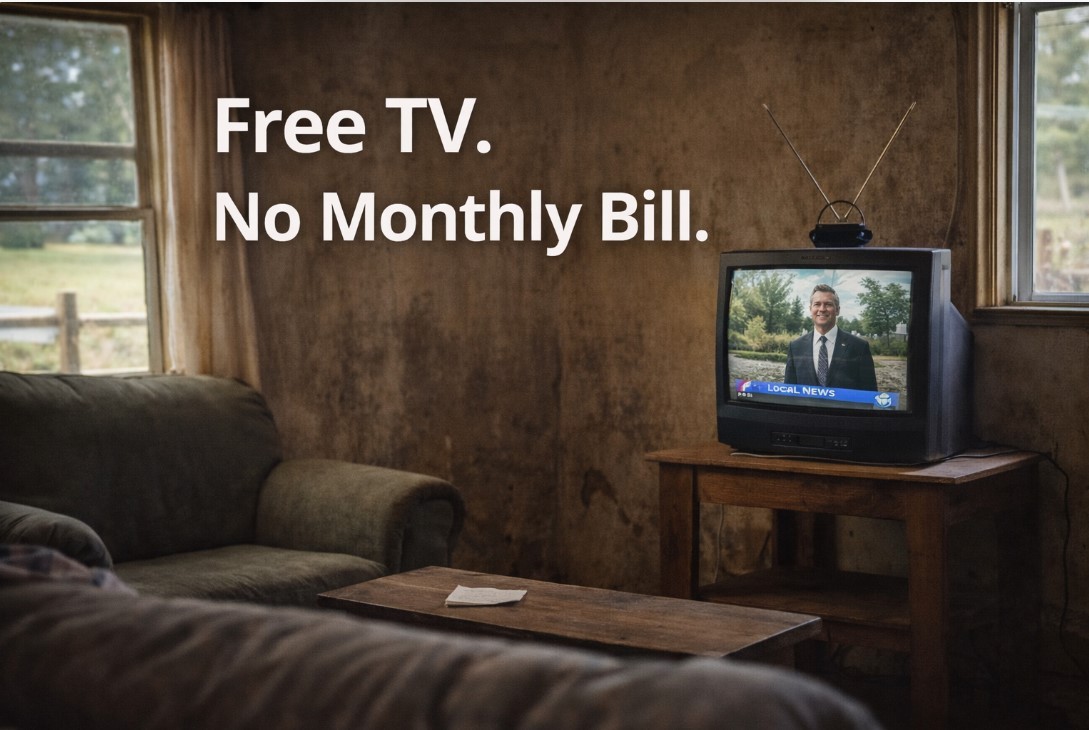
In 2026, the answer depends heavily on location. Some Americans get fewer than 20 channels. Others get more than 80 — completely free.
Here’s what antenna TV looks like in real places across the U.S., with practical details that matter.
Read more: Why More Americans Are Going Back to Free Antenna TV — and How to Do It Right
Big Metro Areas: 60–90 Free Channels Is Common
If you live in or near a major metro area, antenna TV is far more powerful than most people expect.
New York City & Northern New Jersey
Typical antenna users receive:
-
70–90 channels
-
All major networks: ABC, CBS, NBC, FOX, PBS
-
Large number of subchannels: classic TV, foreign-language channels, local government, weather
Because broadcast towers are densely packed, even a $25 indoor antenna near a window often works well.
Los Angeles & Southern California
Typical results:
-
65–85 channels
-
Strong reception across multiple counties
-
Excellent sports coverage for nationally broadcast games
-
Many Spanish-language and multicultural channels
In suburban LA, attic antennas often boost channel counts without rooftop installation.
Chicago & Surrounding Suburbs
Typical results:
-
55–75 channels
-
Very strong signals across Illinois and Indiana border areas
-
Reliable weather and emergency alerts, which many locals rely on year-round
Chicago is one of the best examples of antenna TV replacing cable for news and sports.
Read more: How to Rotate Streaming Services and Cut Entertainment Costs in 2026
Suburban America: The Sweet Spot for Antenna TV
Suburbs often outperform dense cities and rural areas.
Dallas–Fort Worth Metroplex
Typical results:
-
45–70 channels
-
Clear reception due to flat terrain
-
Strong subchannel offerings for movies and classic TV
Many homeowners report antenna TV covers everything they used cable for — except niche sports.
Atlanta Suburbs
Typical results:
-
40–65 channels
-
Strong reception with indoor antennas
-
Multiple PBS subchannels and educational programming
Atlanta-area viewers benefit from excellent signal strength without urban interference.
Smaller Cities: Still Surprisingly Good
Even mid-sized cities deliver solid results.
Des Moines, Iowa
Typical results:
-
30–45 channels
-
All major networks
-
Fewer subchannels, but very stable signals
Boise, Idaho
Typical results:
-
25–40 channels
-
Excellent local news coverage
-
Strong weather and emergency broadcasts
For many in these areas, antenna TV replaces cable entirely.
Rural Areas: Lower Counts, Higher Value
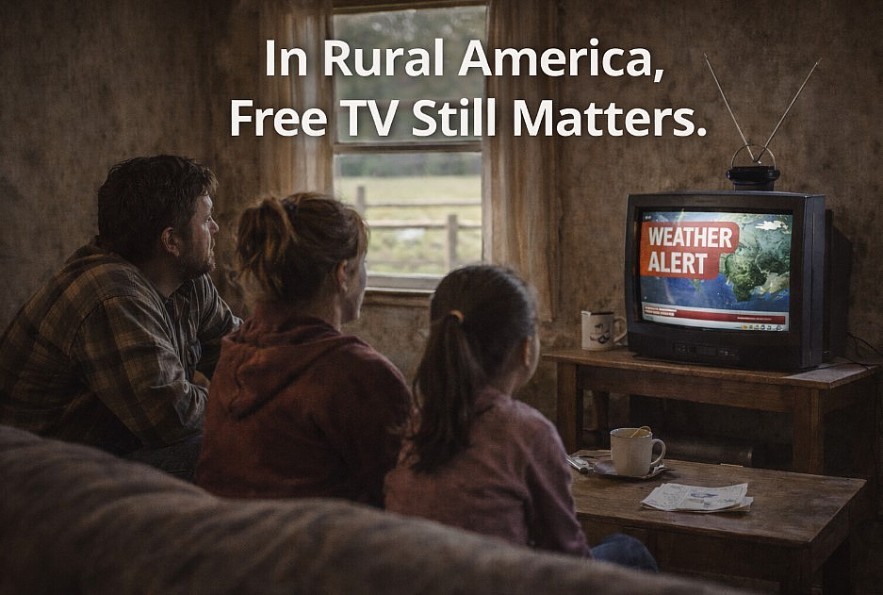
Rural America doesn’t get the biggest numbers — but antenna TV still matters deeply.
Appalachia, parts of the Midwest, and the South
Typical results:
-
15–30 channels
-
Usually 2–4 major networks
-
Fewer entertainment subchannels
Why people still use antenna TV:
-
Works when internet is slow or unreliable
-
Critical for weather alerts
-
No monthly cost, ever
Many rural households combine antenna TV with one rotating streaming service to fill gaps.
What Those Channels Actually Include
Across most regions, antenna TV reliably delivers:
-
Local and national news
-
NFL games, playoffs, and the Super Bowl
-
College football and basketball
-
Major golf and tennis events
-
Olympics coverage
For many sports fans, antenna TV covers more than expected — with no buffering and better picture quality than compressed streaming feeds.
Practical Tips That Make a Big Difference
These details matter more than brand names:
-
Place indoor antennas near windows facing broadcast towers
-
Always rescan channels after repositioning
-
Attic antennas often outperform rooftop ones
-
Don’t overspend before testing
Many Americans are surprised to find that a basic antenna works better than advertised.
Why People Stick With Antenna TV Once They Try It
The biggest reason isn’t channel count.
It’s the absence of:
-
Bills
-
Price increases
-
Contracts
-
“Am I watching enough to justify this?” stress
Once people know their news and major events are covered for free, they stop worrying about entertainment spending.
The Bottom Line
In 2026, antenna TV delivers:
-
15–30 channels in rural areas
-
30–60 channels in suburbs
-
60–90+ channels in major metros
The exact number matters less than the realization most Americans come to:
They were paying monthly for far more TV than they actually needed.
For budget-conscious Americans — especially in suburban and small-city areas — free antenna TV isn’t a downgrade. It’s a correction.