Fasting From Dawn to Dusk: Ramadan 2026 in the American Workplace




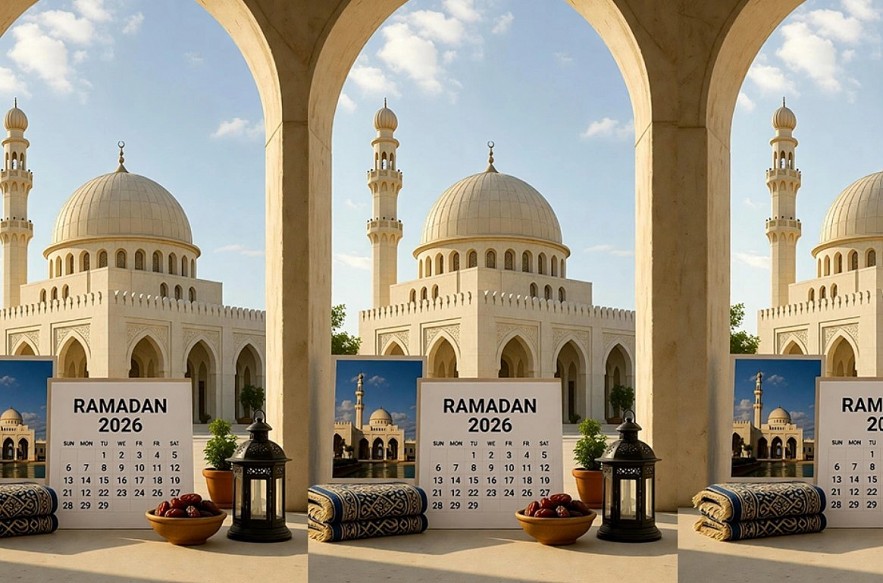
Ramadan 2026 at a Glance (U.S.)Expected dates (subject to moon sighting): First day of fasting: Feb. 18, 2026 Ramadan expected to end: March 19, 2026 Eid al-Fitr expected: March 20, 2026 Daily structure: Pre-dawn meal: Suhoor Fast from dawn to sunset Evening meal: Iftar Optional night prayers: Taraweeh Workplace tip: If unsure, ask respectfully whether scheduling adjustments would be helpful. |
 |
| Ramadan 2026 and the American Workday |
Ramadan 2026 is expected to begin in the United States on Wednesday, February 18, 2026, and end around Thursday, March 19, with Eid al-Fitr likely on Friday, March 20 (dates may vary by moon sighting). During this month, many Muslims fast daily from dawn to sunset — no food, no water — while continuing to meet deadlines, attend meetings, and manage households.
For observant Muslims in the American workforce, Ramadan is not a pause from professional life. It is a test of discipline, focus, and endurance that unfolds inside office buildings, hospitals, classrooms, warehouses, and Zoom calls across the country.
The question many non-Muslim colleagues quietly wonder is simple: How do they do it?
Fasting in a 9-to-5 World
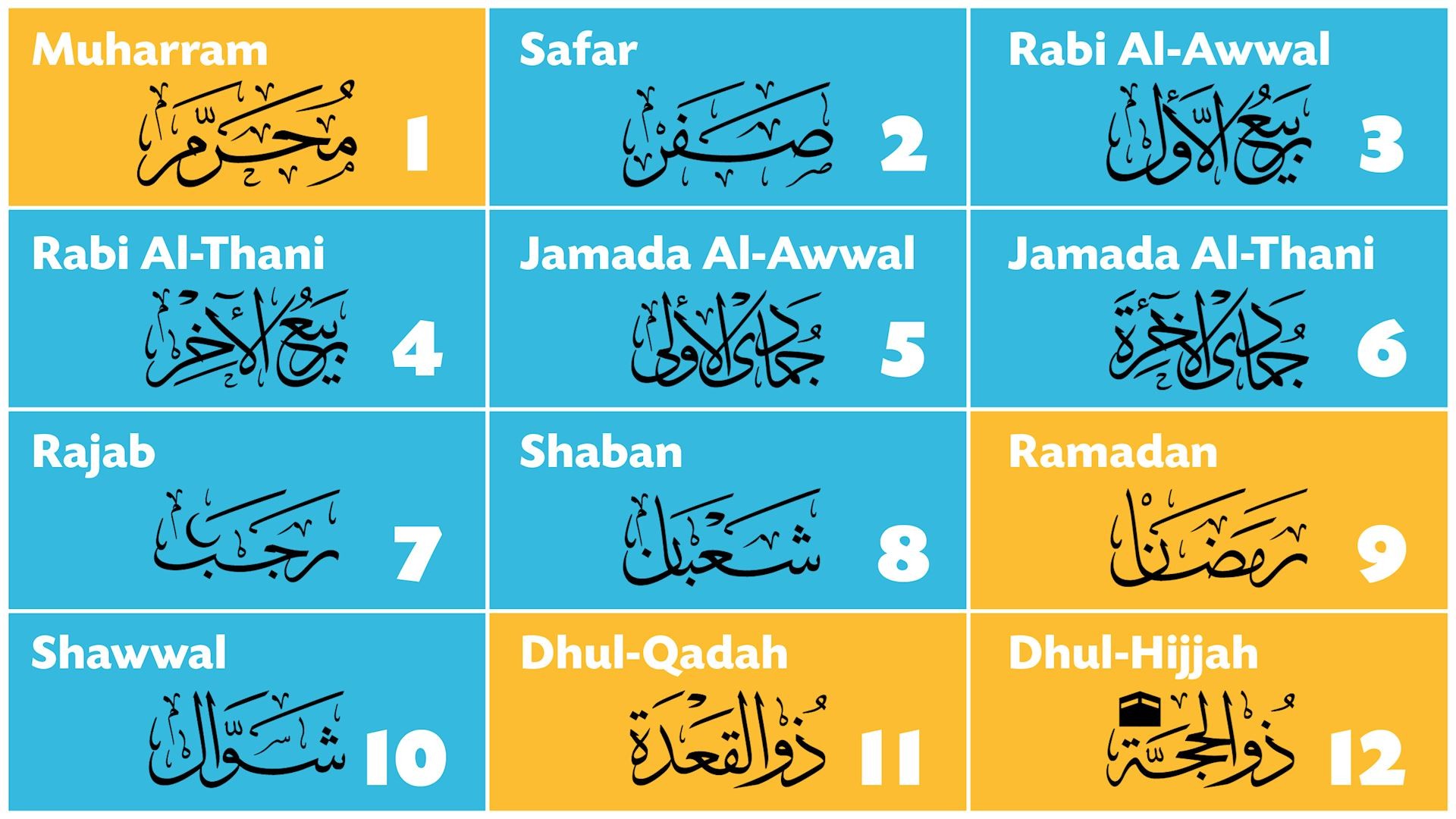
Ramadan is the ninth month of the Islamic lunar calendar. From first light until sunset, Muslims abstain from eating and drinking. The fast is broken at sunset with iftar, and the day begins before dawn with suhoor, a pre-dawn meal.
In February and March 2026, daylight hours in much of the U.S. will range roughly between 10 and 12 hours — shorter than summer fasts, but still demanding.
Many professionals describe Ramadan as a shift in rhythm rather than a drop in performance.
“I front-load my energy,” said a Chicago-based marketing analyst. “I schedule analytical work in the morning and lighter tasks later in the afternoon.”
That strategy is common. Fasters often report higher mental clarity earlier in the day, before dehydration sets in. By late afternoon, energy can dip, especially in physically demanding roles.
Read more: When Does Ramadan Start and End in 2026? Dates, Meaning, and What Americans Should Know
 |
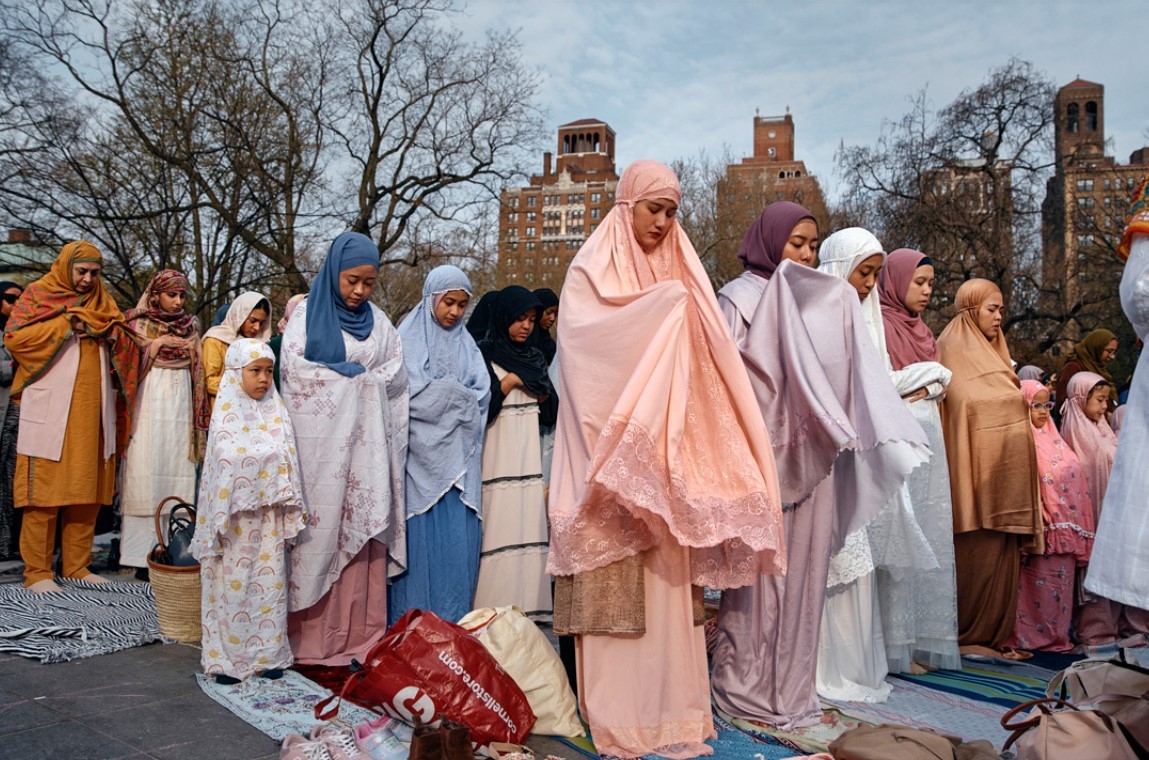
| Ramadan is a month full of social festivities such as communal dinners, group prayers, and other gatherings.(Pixabay: Mohamed Hassan) |
Productivity: Discipline as an Advantage
For some, Ramadan strengthens work habits.
Fasting requires structure: early wake-up times, planned meals, intentional sleep. That structure can spill into professional life. Workers often report:
-
Fewer unnecessary breaks
-
Tighter time management
-
Greater emotional restraint
-
Increased focus during morning hours
Ramadan also emphasizes self-control — not only from food, but from gossip, anger, and distractions. In workplace settings, that can translate into measured communication and deliberate decision-making.
Still, productivity looks different across industries. A corporate employee working remotely may adapt more easily than a nurse on a 12-hour shift or a delivery driver on the road all day.
Islam provides flexibility. Those who are ill, traveling, pregnant, nursing, elderly, or facing health risks are generally exempt from fasting. The faith prioritizes well-being.
Read more: Happy Ramadan: 25 Most Popular Phrases and Pronunciation in Arabic, English
Health: Managing Energy and Hydration
From a health perspective, Ramadan fasting resembles a daily form of intermittent fasting, but without water during daylight hours.
Muslim professionals often prepare carefully:
-
Hydrating well during non-fasting hours
-
Eating balanced suhoor meals with protein and complex carbohydrates
-
Avoiding excessive caffeine late at night
-
Protecting sleep whenever possible
Sleep is often the biggest challenge. Many attend Taraweeh, special evening prayers held during Ramadan at mosques. These prayers can extend late into the night, reducing total rest.
In the U.S., some mosques offer shorter prayer options on weeknights to accommodate working congregants. Others see professionals attending only part of the service.
Balancing devotion and rest becomes a personal equation.
The Modern Workplace: Flexibility and Awareness
American workplaces have grown more aware of Ramadan in recent years. Diversity, equity, and inclusion initiatives have made religious observance part of broader cultural literacy.
Practical accommodations may include:
-
Flexible scheduling
-
Allowing use of PTO for Eid
-
Scheduling major team lunches outside Ramadan
-
Providing quiet space for prayer
Not all accommodations are formal. Often, it’s small gestures that matter: not pressuring someone to attend a midday lunch meeting, or rescheduling an optional happy hour.
Remote and hybrid work models have also changed the experience. Many fasting employees say working from home reduces physical strain and allows short rest breaks during energy dips.
Still, awareness varies widely across sectors and regions. In smaller workplaces, conversations may need to start with the employee.
Learn more: Top 55 Frequently Asked Questions And Answers During Ramada
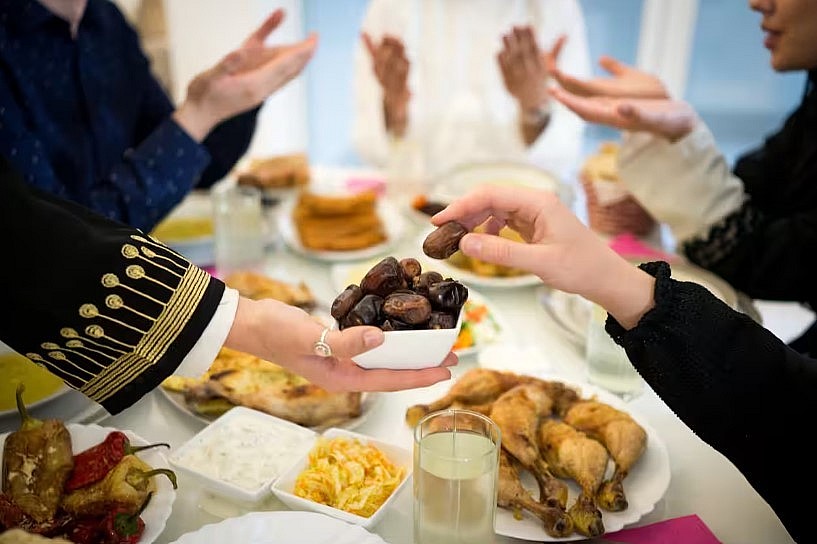 |
| A meal with loved ones during Ramadan |
Faith as a Source of Resilience
Ramadan is not solely about physical endurance. It is considered a month of spiritual renewal, increased charity, and reflection.
For many Muslims, that meaning fuels resilience at work.
“The fast reminds me why I’m doing what I’m doing,” said a software engineer in California. “It sharpens my intention — both spiritually and professionally.”
The final days of Ramadan hold special significance, particularly the last ten nights, when worship often intensifies. Some professionals take vacation days during this period to focus on prayer.
Then comes Eid al-Fitr, a day of communal prayer and celebration marking the end of the month. For many American Muslims, securing time off for Eid is the most important workplace consideration of Ramadan.
FAQs
Does fasting reduce work performance?
Not necessarily. Many Muslims report normal or even improved productivity in morning hours. Energy management becomes key later in the day.
Are Muslims required to fast even in physically demanding jobs?
Islam allows exemptions for health and hardship. Individuals assess their circumstances, often with religious guidance.
Is it appropriate to eat in front of someone who is fasting?
Yes. Most Muslims do not expect others to change their habits. Sensitivity and respect are appreciated, but there is no requirement for others to abstain.
How long is the fast each day in 2026?
In February and March, daylight hours in much of the U.S. will be approximately 10–12 hours, depending on location.
How can employers be supportive?
Flexible scheduling, awareness of Eid, and open communication go a long way.