Can the Super Bowl Logo Really Predict the Champion?

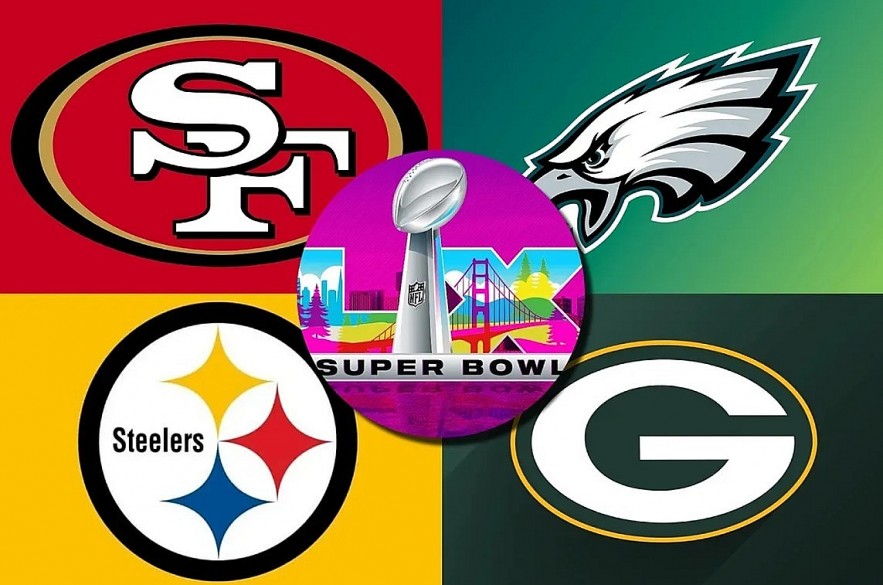 |
| Super Bowl logo conspiracy: Which teams will play in Super Bowl LX? |
Every NFL postseason brings chaos, drama, and one familiar internet obsession: the belief that the Super Bowl logo secretly predicts which teams will reach the championship game. Fans study color schemes like detectives, convinced the answer has been hiding in plain sight all along.
With the release of the logo for Super Bowl LX, that conspiracy is back again. But this year, as the playoffs unfold, the theory does more than spark debate. It exposes its own flaws.
To understand why, you have to follow how the theory changes when football reality gets in the way.
Read more: Super Bowl 2026: Time, Date, Location, Teams, Tickets, TV Channels and Streaming Options to Watch Live
| When the Super Bowl logo was unveiled in February, fans quickly predicted a Ravens–Lions matchup based on its colors. Neither team even made the playoffs. |
How the logo conspiracy works
The logic is simple. Recent Super Bowl logos have prominently featured colors that match the teams who eventually played in the game. Red, blue, and gold appear often. So do teams wearing those colors.
From there, the leap is easy: the NFL must be signaling the matchup in advance through branding.
Once fans accept that premise, every new logo becomes a puzzle to solve instead of a design to sell merchandise.
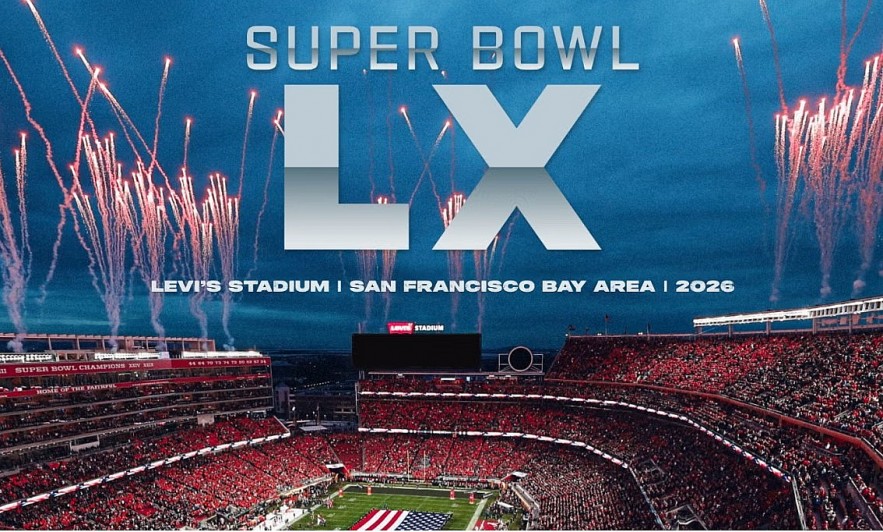 |
| When is Super Bowl LX? What we know about the 2026 Super Bowl |
The original Super Bowl LX “prediction”
Early color-based predictions for Super Bowl LX pointed to a matchup between the Buffalo Bills and the Green Bay Packers.
On paper, it made sense to believers. The Bills’ red and blue paired neatly with the Packers’ green and yellow. Every major color in the logo appeared to be accounted for. The conspiracy felt complete.
Then football happened.
Green Bay’s season unraveled after an embarrassing second-half collapse against Chicago. The Packers were eliminated, and with them went half of the “prediction.” Instead of disproving the theory, it forced it to evolve.
The theory adjusts — and weakens
With Green Bay gone, conspiracy logic narrowed the field. Only two remaining teams still feature meaningful yellow in their logos: the Los Angeles Rams and the San Francisco 49ers. According to the theory, one of them now must reach the Super Bowl.
That’s where the cracks widen.
If the Rams advance, their blue-and-yellow scheme would supposedly require red from the AFC side to “balance” the logo. That leaves teams like the Bills, Patriots, or Texans as possibilities. Yet there’s a glaring issue. None of those teams, nor any remaining AFC contender, features green — a color still visible in the Super Bowl LX logo.
The same problem appears if the 49ers advance. Red and gold are covered, but green remains unaccounted for. At that point, the theory has no clean answer. It survives only by retroactive explanation.
In other words, the logo no longer predicts outcomes. It chases them.
What the actual playoffs tell us
While fans debate color palettes, the postseason is being decided by far more grounded factors.
Teams are advancing because quarterbacks protect the football, defenses adapt after halftime, and coaches manage pressure situations better than their opponents. Injuries, trench play, and situational execution are determining who survives each round.
The Packers’ elimination is a perfect example. No logo hinted at blown coverages, stalled drives, or a coaching staff that failed to adjust. One bad half erased an entire season. That is playoff football.
Logos do not account for that reality.
Why the conspiracy still feels convincing
The theory persists because it benefits from human bias.
The NFL has only 32 teams, many sharing similar colors. Overlap is inevitable. Fans remember when the logo “matches” and forget when it does not. When predictions fail, the theory simply updates itself.
Most of all, fans crave order in a sport defined by randomness. The idea that outcomes are subtly prewritten offers comfort, even when evidence says otherwise.
The truth about Super Bowl logosSuper Bowl logos are designed years in advance. Their goals are consistency, brand recognition, broadcast clarity, and global marketing appeal. Modern designs intentionally use broader color schemes so they work across platforms and merchandise. Using logos to hint at outcomes would undermine competitive integrity and create massive legal and reputational risk. There is no incentive for the league to do it, and no proof that it ever has. |
Final verdict
The Super Bowl logo conspiracy is not a hidden truth. It is a flexible story that bends every time real football intervenes.
This season makes that clearer than ever. As teams are eliminated, the theory shrinks, rewrites itself, and searches for new justifications. The playoffs move forward. The logo stays the same.
Enjoy the speculation if you want. But when it comes to predicting Super Bowl participants, trust performance, not palettes.