Who will replace Federal Reserve Chair Jerome Powell? A look at the finalists

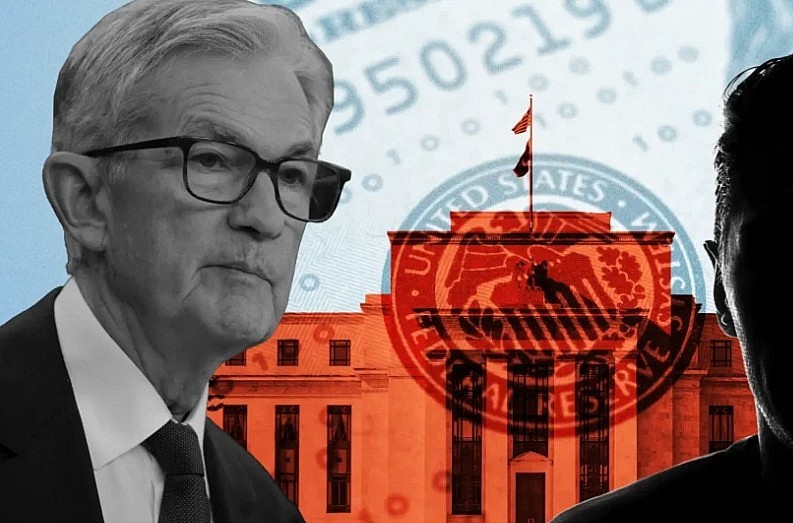 |
| Who will replace Federal Reserve Chair Jerome Powell |
With Jerome Powell’s term ending in May 2026, the race for the next Federal Reserve chair has entered its most intense phase. The shortlist has quietly narrowed to five names, and according to senior officials, the White House is preparing to announce its pick sooner than expected. Markets are watching closely because the next chair will guide interest rates, credit conditions, and the United States’ economic direction at a critical moment.
Below is a closer look at the finalists and what their leadership could mean for the Fed’s future.
Read more: Who is Jerome Powell? Biography, Family Life, Career, And Net Worth
The Five Contenders
Kevin Hassett
A former White House economic adviser, Hassett is widely viewed as the leading candidate. Known for his strong preference for lower interest rates, he aligns with the current administration’s push for cheaper borrowing to stimulate economic momentum. Supporters see him as a pragmatic economist ready to take bold action. Critics, however, worry that his policy stance could erode the Fed’s traditional independence and increase inflationary risks if cuts come too quickly.
Christopher Waller
Currently serving as a Federal Reserve governor, Waller represents continuity. He has built a reputation for measured communication and steady decision-making, qualities that appeal to observers who want stability in monetary policy. Waller often emphasizes data-driven action and has shown openness to both tightening and easing when warranted. Choosing him would signal a desire for predictability rather than a dramatic shift.
Michelle Bowman
As the Fed’s Vice Chair for Supervision, Bowman brings deep knowledge of banking regulation and regional economic dynamics. She has consistently focused on the health of small and community banks, positioning herself as a voice for rural and mid-sized markets. A Bowman-led Fed might place stronger emphasis on financial stability and regulatory clarity, though she is considered a less likely political choice at this stage of the race.
Kevin Warsh
Warsh, a former Fed governor, offers a blend of academic rigor, global financial expertise, and close industry ties. He is known for advocating more forward-looking policy frameworks, arguing that the Fed must adapt faster to changing economic conditions. Investors view him as a candidate who could modernize the institution’s approach. His return would bring experience, but also the possibility of sharper policy pivots.
Rick Rieder
A surprise entry on the shortlist, Rieder is best known for his leadership in global fixed-income investing. His understanding of bond markets is unmatched among the candidates. If selected, the Fed would gain a chair with strong market instincts, though some question whether his investment-centric perspective might overshadow the broader macroeconomic role the chair must play.
Why the Decision Matters Now
Although more than a year remains before Powell’s term concludes, the early selection process reflects the high stakes for both markets and the administration.
Three forces are driving the urgency:
-
The direction of interest rates
The new chair will influence whether the Fed continues easing policy or pauses to curb inflationary pressures. With borrowing costs shaping everything from mortgage rates to corporate investment, expectations around the next leader are already moving markets. -
The future of Fed independence
Political scrutiny of the Fed has intensified. Choosing a chair who is seen as aligned with the administration could accelerate debates over how independent the central bank should remain. For investors, even small signals about potential political pressure can trigger volatility across currencies and bonds. -
Global ripple effects
The United States remains the anchor of the global financial system. A more dovish chair could weaken the dollar, boost emerging-market inflows, and shift global capital patterns. A more cautious chair could do the opposite. The appointment has consequences far beyond Washington.
Who Has the Edge?
While all five candidates bring compelling strengths, the momentum appears to favor Kevin Hassett, Christopher Waller, and Kevin Warsh. Each represents a different vision for the Fed:
-
Hassett: a pivot toward aggressive rate cuts
-
Waller: stability and policy continuity
-
Warsh: modernization and faster strategic adaptation
The White House is expected to reveal its choice soon, with insiders hinting the decision may be announced before Christmas. That timeline suggests discussions are nearing the final stage, and markets are preparing for the news.
What to Watch Next
-
Public statements by Fed officials: Slight shifts in tone could signal internal expectations about upcoming leadership.
-
Market reaction: Bond yields, stock futures, and the dollar index will immediately adjust once the nominee is revealed.
-
Senate confirmation dynamics: Some candidates may face tougher confirmation battles, which could delay policy clarity.
As speculation grows, one thing is certain: the next chair will inherit both opportunity and pressure. With inflation not fully settled, growth uneven across sectors, and global uncertainty rising, the Fed’s next leader must balance boldness with discipline.
The coming decision will not just shape monetary policy. It will define how the United States navigates the next economic cycle.