What Is OMNY? How New York City Replaced the MetroCard and What Riders Need to Know

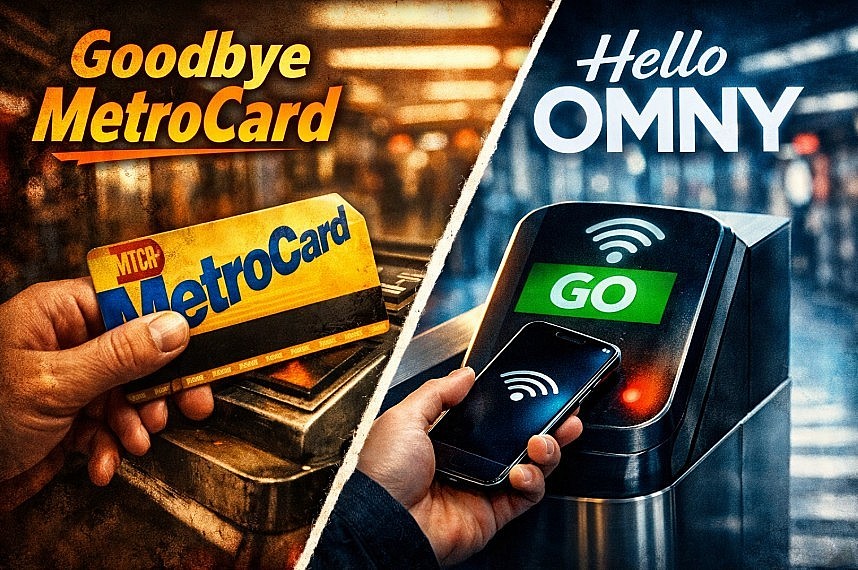 |
| The last day to buy or refill a MetroCard is Dec. 31, 2025 |
What Is OMNY?
OMNY, short for One Metro New York, is the contactless fare payment system now used across New York City’s subway and bus network. Instead of swiping a plastic card, riders simply tap a contactless credit or debit card, a smartphone, a smartwatch, or a reloadable OMNY card at the turnstile or bus reader.
The system is operated by the Metropolitan Transportation Authority, which runs public transportation across New York City.
OMNY is designed to make paying fares faster, more reliable, and easier to maintain than the aging MetroCard system.
How OMNY Works in Everyday Use
Using OMNY is straightforward. At subway stations and on buses, riders tap their payment method on the OMNY reader. A green light and a “GO” message confirm the fare has been accepted. There is no need to swipe, insert, or remove anything.
OMNY supports several options:
-
Contactless credit or debit cards
-
Mobile wallets such as Apple Pay or Google Pay
-
Smartwatches with payment apps
-
Physical OMNY cards that can be purchased and reloaded
For riders who use cash or do not have bank cards, OMNY cards can be bought at vending machines and participating retail stores, then loaded with cash value. This option ensures the system remains accessible to all riders.
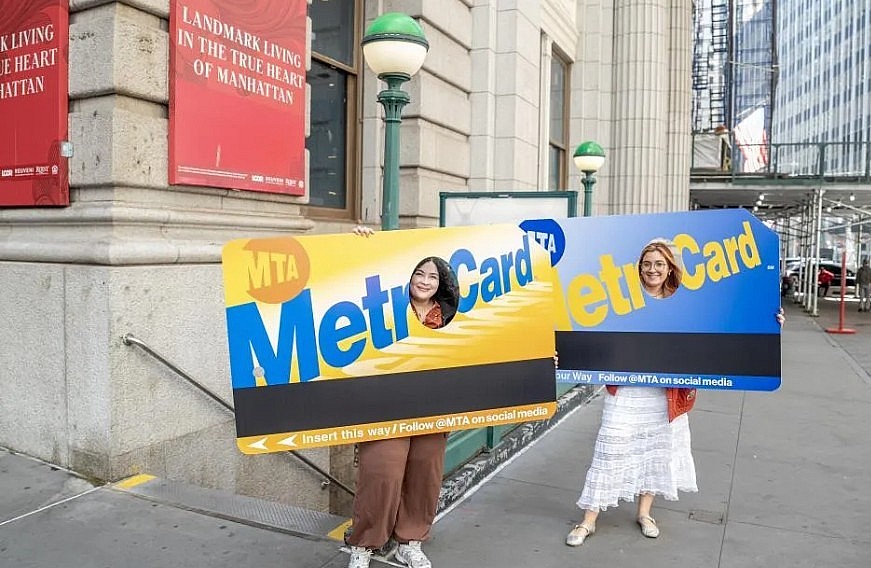 |
| The Era of the New York City MetroCard Is Over |
Fare Capping and Pricing
One of OMNY’s most important features is fare capping. Instead of buying weekly or monthly unlimited passes in advance, riders automatically receive unlimited rides once they reach a weekly spending cap.
In practice, this means frequent riders pay per trip at first. After hitting the equivalent of a weekly unlimited pass, additional rides during that week cost nothing. This approach benefits people with irregular schedules who might not always get full value from traditional unlimited passes.
Why New York City Retired the MetroCard
The MetroCard debuted in the early 1990s, replacing subway tokens and becoming a defining feature of daily life in New York. For decades, the familiar blue-and-yellow card was a commuter staple.
Over time, however, the MetroCard system showed its age. Magnetic stripes wore out. Card readers malfunctioned. Maintenance costs increased. Meanwhile, cities around the world adopted contactless payments that moved people through transit systems more efficiently.
OMNY addresses these problems by using modern payment technology that requires less physical maintenance and reduces boarding delays. The MTA has also said the shift will save money over time by eliminating the need to manufacture and distribute millions of plastic cards each year.
MetroCard sales and refills are scheduled to end by December 31, 2025, marking the official close of a 30-year era.
A Moment of Nostalgia for Riders
For many New Yorkers, the MetroCard carries emotional weight. It was part of daily routines, first commutes, late nights, and countless small moments underground. Limited-edition designs and colorful card art turned a simple fare card into a cultural object.
As OMNY becomes the only option, some riders, especially seniors, have expressed hesitation about digital payments. The MTA has responded by expanding OMNY card availability, offering customer assistance, and maintaining cash-based options to ease the transition.
The change reflects a broader tension between modernization and tradition in a city that values both.
Common Questions and Concerns
Some riders worry about being charged twice or not knowing how much they have spent. OMNY allows users to create accounts online to track trips and charges, though this is optional. Others prefer the simplicity of tapping without managing a separate account.
Another concern is accessibility. OMNY cards are specifically designed for riders without smartphones or bank accounts. They work much like MetroCards did, but without the swipe.
The system is still evolving, and the MTA continues to adjust based on rider feedback.
What OMNY Means for the Future
OMNY is more than a new way to pay. It is part of a long-term effort to modernize New York City’s transit system. Contactless payments allow for future upgrades, better data analysis, and more flexible fare policies.
For visitors, OMNY removes confusion about buying the “right” ticket. For residents, it simplifies daily travel and reduces friction at stations and bus stops.
As New York moves forward, OMNY represents how the city adapts to new technology while trying to keep transit affordable, inclusive, and reliable.
 Christmas Subway Attack in NYC: Woman and Man Injured Christmas Subway Attack in NYC: Woman and Man Injured On Christmas Eve, a violent incident occurred at the Grand Central-42 Street subway station in New York City, resulting in knife wounds for two individuals. |
 Shocking Shove Subway Attack in Manhattan: Suspect and Victim Identified Shocking Shove Subway Attack in Manhattan: Suspect and Victim Identified A terrifying incident unfolded in Manhattan when a 45-year-old man was pushed onto the subway tracks and struck by an incoming 1 train at the ... |
 Who was Kamel Hawkins: Understanding the NYC subway shove attack suspect Who was Kamel Hawkins: Understanding the NYC subway shove attack suspect Kamel Hawkins, the man accused of pushing a random commuter onto the subway tracks in New York City has been charged with attempted murder. |
 Man Accused of Attempted Rape of a Corpse on NYC Subway Man Accused of Attempted Rape of a Corpse on NYC Subway Felix Rojas, 44, allegedly assaulted and robbed a deceased man on an empty R train — entire crime caught on surveillance video. |