Top 10 U.S. Universities Where Students Graduate With Little or No Debt

Student debt has become one of the most pressing issues in American higher education. With total U.S. student loan debt exceeding $1.7 trillion, families are no longer asking only “Which school is best?” but “Which school is worth it?” As tuition rises faster than inflation, debt-free or low-debt graduation has become a powerful signal of institutional responsibility and long-term student success.
This ranking highlights U.S. universities where students consistently graduate with little or no debt, based on average federal loan debt at graduation, financial aid structure, tuition policies, and post-graduation outcomes. These schools are not always the cheapest, but they are among the most financially effective.
Read more:
- Top 10 Smallest Universities in the U.S. That Still Deliver a Full Campus Experience (2026)
- Top 10 Largest Universities in the U.S. by Enrollment (Online + On-Campus)
- Top 10 Largest Universities in the United States by On-Campus Enrollment (2026)
- Top 10 Most Largest US Colleges/Universities - by Enrollment, Subscribers
 |
| Department of Computer Science at Princeton University. Princeton |
1) Princeton University
-
Average debt: $0
-
Aid model: No-loan financial aid
-
Tuition: ~$62,000
Why it ranks here:
Princeton pioneered the no-loan policy among elite universities. Students receive grants, not loans, based on need.
ROI & outcomes:
Exceptionally strong outcomes in graduate school placement, finance, tech, and public service.
2) Harvard University
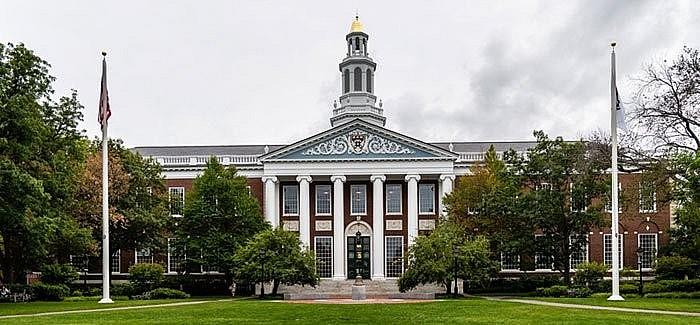 |
| Harvard University New Building |
-
Average debt: ~$2,000
-
Aid model: Need-based grants, loans replaced for most families
-
Tuition: ~$61,000
Why it ranks here:
Over half of Harvard undergraduates receive aid, and many graduate debt-free.
ROI & outcomes:
Elite earnings potential and global career mobility.
3) Yale University
 |
| Yale University – School of Art |
-
Average debt: ~$3,000
-
Aid model: No-loan for low- and middle-income families
-
Tuition: ~$62,000
Why it ranks here:
Yale’s aggressive aid policies sharply reduce borrowing.
ROI & outcomes:
Strong placement in law, academia, public policy, and consulting.
4) Pomona College
-
Average debt: ~$1,000
-
Aid model: Grant-heavy, need-based aid
-
Tuition: ~$60,000
Why it ranks here:
Pomona combines small-college intimacy with exceptional financial support.
ROI & outcomes:
High graduate school acceptance and strong alumni networks.
5) Williams College
-
Average debt: ~$2,500
-
Aid model: Full-need met with minimal loans
-
Tuition: ~$61,000
Why it ranks here:
Williams prioritizes affordability despite its elite status.
ROI & outcomes:
Outstanding outcomes in academia, finance, and nonprofit leadership.
6) University of California Los Angeles
-
Average debt: ~$15,000
-
Aid model: Strong state aid + grants
-
Tuition (in-state): ~$14,000
Why it ranks here:
For in-state students, UCLA offers one of the best value propositions in U.S. higher education.
ROI & outcomes:
Strong employer demand and alumni presence across industries.
7) University of Florida
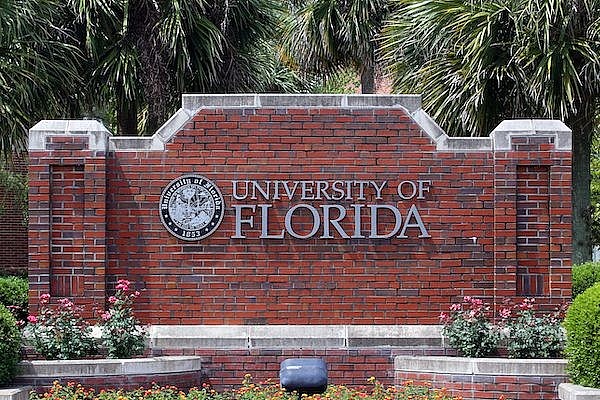 |
| University of Florida |
-
Average debt: ~$13,000
-
Aid model: State scholarships + institutional grants
-
Tuition (in-state): ~$6,400
Why it ranks here:
Low tuition combined with academic strength keeps borrowing low.
ROI & outcomes:
Solid outcomes in engineering, business, and health sciences.
8) Brigham Young University
-
Average debt: ~$7,000
-
Aid model: Subsidized tuition model
-
Tuition: ~$6,500
Why it ranks here:
BYU’s unique funding structure allows extremely low tuition.
ROI & outcomes:
Strong outcomes in accounting, engineering, and entrepreneurship.
9) University of North Carolina at Chapel Hill
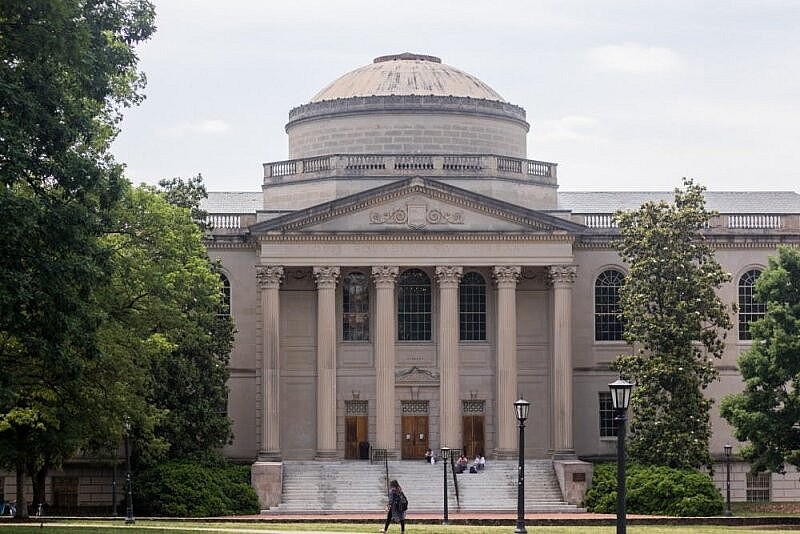 |
| University of North Carolina at Chapel Hill |
-
Average debt: ~$14,000
-
Aid model: Carolina Covenant (debt-free for low-income students)
-
Tuition (in-state): ~$9,000
Why it ranks here:
UNC combines flagship academics with progressive aid policies.
ROI & outcomes:
Excellent placement in law, medicine, and public service.
10) CUNY Baruch College
-
Average debt: ~$11,000
-
Aid model: Low tuition + Pell Grant coverage
-
Tuition (in-state): ~$7,500
Why it ranks here:
One of the most affordable paths to high-paying business careers.
ROI & outcomes:
Strong placement in finance, accounting, and analytics.
Why “Debt-Free” Doesn’t Always Mean “Cheap”A common misconception is that low debt equals low quality. In reality, many high-tuition schools appear on this list because of strong aid, while some low-tuition schools still produce high debt due to weak support. The key metric is net cost, not sticker price. |
Bottom Line
The universities above demonstrate that affordability and excellence are not mutually exclusive. Whether through no-loan aid, public funding, or innovative tuition models, they prove that graduating with little or no debt is possible—and often leads to stronger long-term outcomes.