Nicolás Maduro Could Face Death Penalty If Convicted on U.S. Drug Charges

 Can Nicolás Maduro Ever Walk Free? No Bail, Little Shelter Can Nicolás Maduro Ever Walk Free? No Bail, Little Shelter |
 Why the Hernández Pardon Doesn’t Save Nicolás Maduro Why the Hernández Pardon Doesn’t Save Nicolás Maduro |
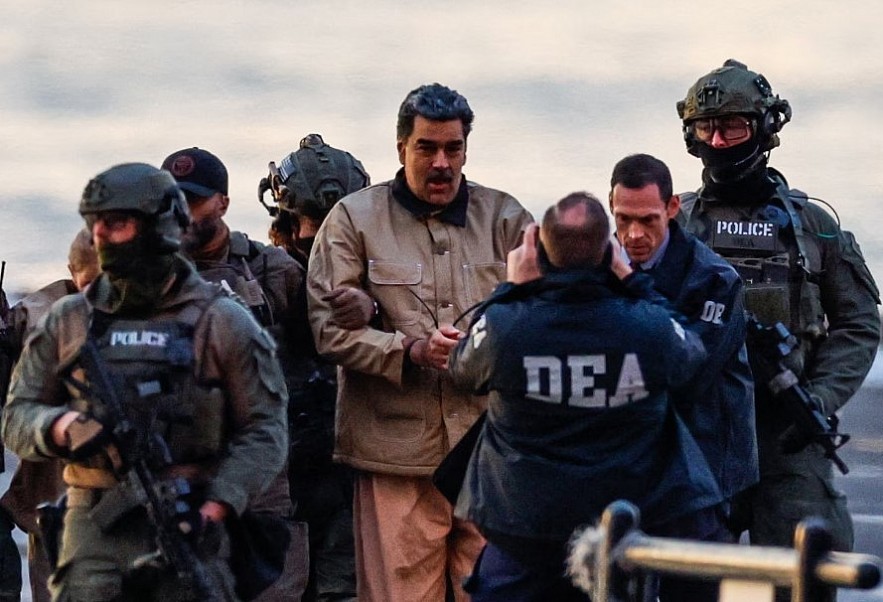 |
| Captured Venezuelan President Nicolas Maduro arrives at the Downtown Manhattan Heliport |
Ousted Venezuelan leader Nicolás Maduro could face the death penalty or life in prison if convicted on federal drug-trafficking and related charges in the United States, a prospect that underscores the severity of one of the most consequential prosecutions of a former foreign head of state in modern U.S. history.
Read more: First Images Show Nicolás Maduro and Wife in Manhattan Federal Court
Maduro was captured during a U.S. military operation in Caracas and is now being held at the Metropolitan Detention Center in Brooklyn ahead of his initial court appearance in Manhattan federal court on Monday. Prosecutors have filed a four-count indictment accusing him of narco-terrorism conspiracy and large-scale cocaine trafficking, alleging he used state power to protect drug shipments destined for the United States.
Why the Penalties Are So Severe
Under U.S. federal law, the most serious narcotics offenses—especially those tied to violence, weapons, or designated terrorist organizations—carry mandatory minimum sentences measured in decades and permit life imprisonment. In rare cases involving massive drug conspiracies linked to killings or terrorism, prosecutors may also seek the death penalty, though such outcomes are uncommon and depend on trial findings and statutory triggers.
Legal analysts say the structure of the charges gives prosecutors substantial leverage. Even a conviction on one top-tier count could result in a sentence that effectively keeps Maduro in prison for the rest of his life, given his age and the sentencing ranges involved.
What Happens in Court
At the initial appearance, the judge will formally advise Maduro of the charges and address detention issues. Bail is considered highly unlikely due to the gravity of the allegations, the potential penalties, and concerns about flight risk and national security. Subsequent proceedings will include motions on evidence, jurisdiction, and immunity claims—though those defenses face steep hurdles in U.S. courts.
A Case With Global Implications
Beyond the courtroom, the case carries geopolitical weight. Prosecuting a former foreign leader on U.S. soil sends a strong signal about Washington’s willingness to pursue alleged transnational crimes at the highest levels of power. Supporters of the case argue it reinforces accountability; critics warn it could inflame regional tensions.
The Bottom Line
If convicted, Nicolás Maduro is widely expected to spend decades—or potentially life—in U.S. custody. While the death penalty remains a legally available outcome in narrow circumstances, most experts see life imprisonment as the more likely ceiling. Either way, the case represents a defining test of how U.S. law confronts alleged narco-terrorism by political leaders.