Happy New Year 2026: How Americans Are Quietly Redefining New Year’s Traditions

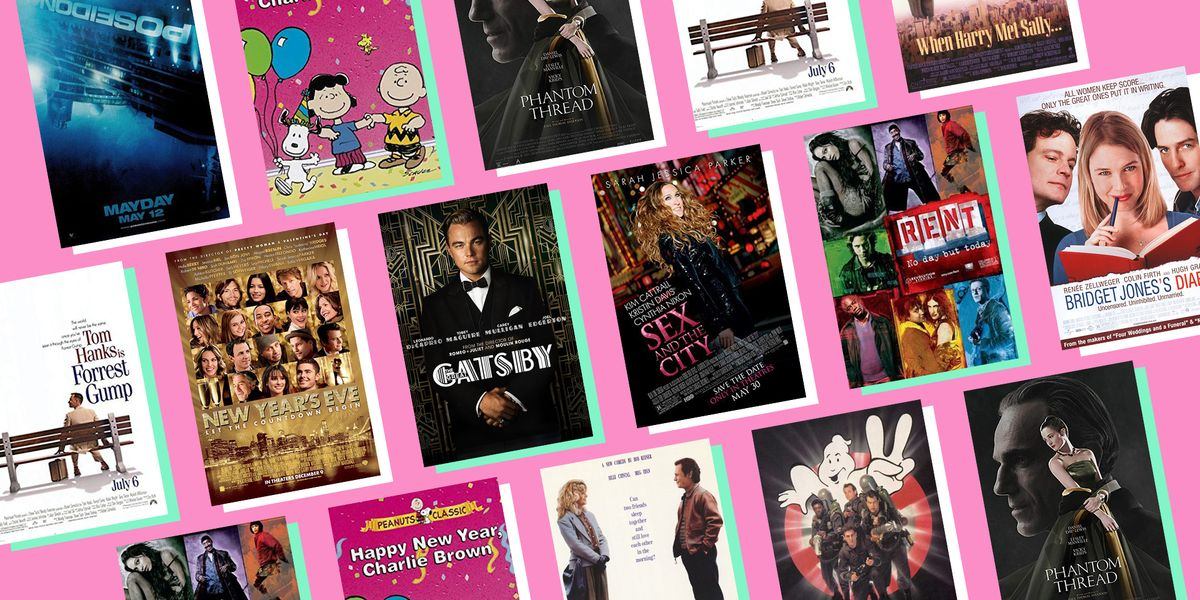 Top 10 Best New Year's Eve Movies That You Must Watch Top 10 Best New Year's Eve Movies That You Must Watch |
 Top 10+ Luckiest Foods On New Year’s Eve You Should Try Top 10+ Luckiest Foods On New Year’s Eve You Should Try |
 Happy New Year: 20+ Unique Quotes by Famous Authors Happy New Year: 20+ Unique Quotes by Famous Authors |
 |
| More Americans are stepping away from the spectacle and choosing celebrations that feel calmer, smaller, and deeply personal |
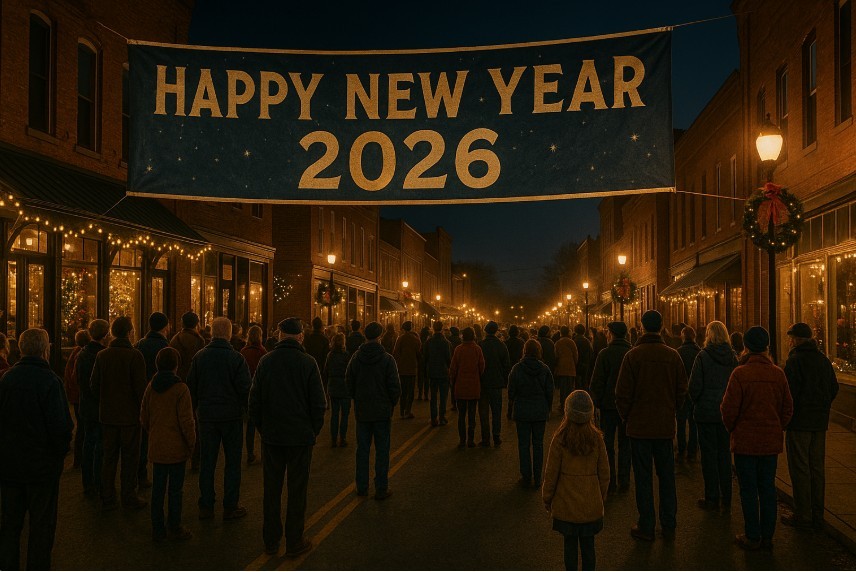
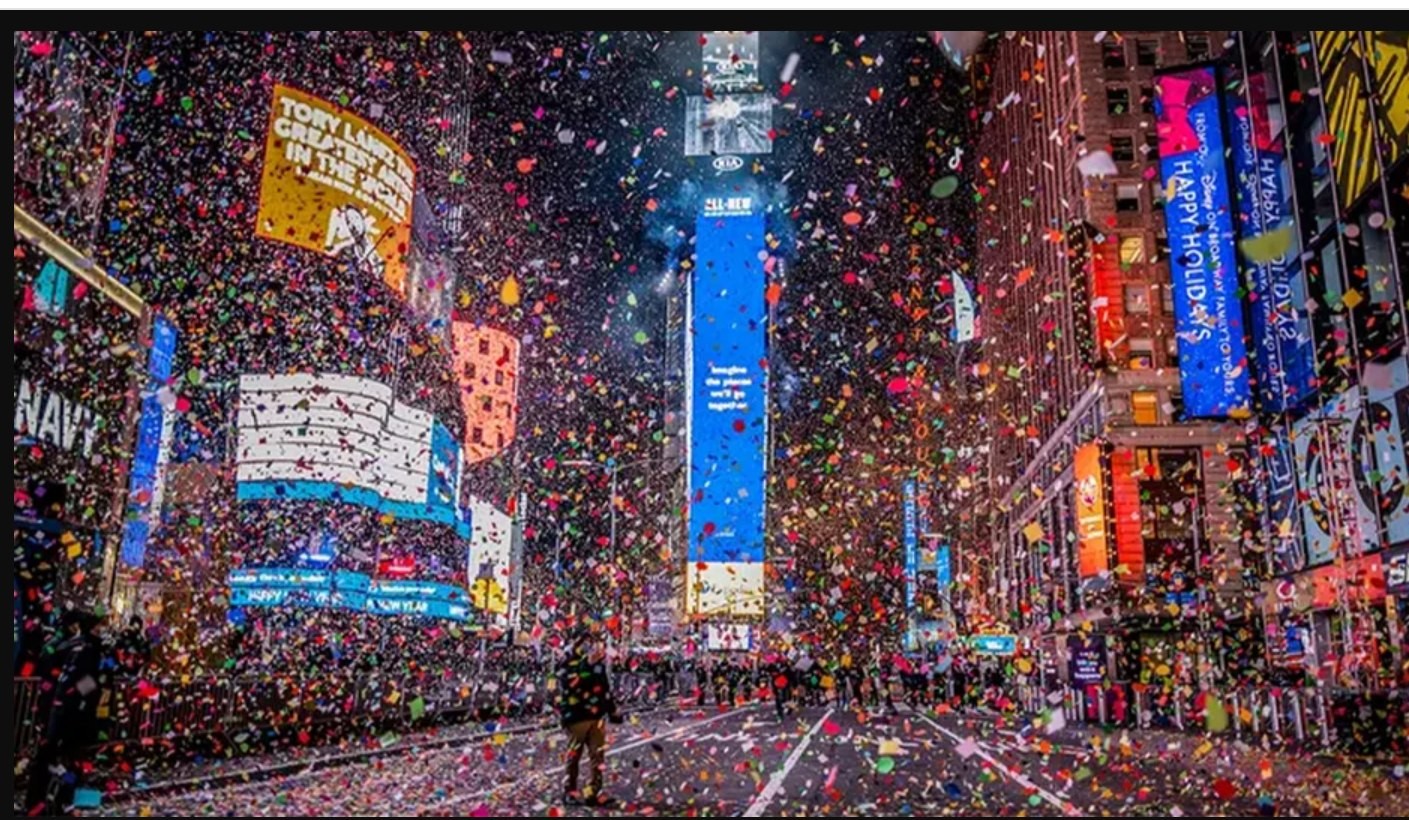
For decades, New Year’s Eve in America has been defined by noise. Crowded parties, countdowns on giant screens, fireworks echoing across city skylines. But as Happy New Year 2026 approaches, something noticeably different is happening. More Americans are stepping away from the spectacle and choosing celebrations that feel calmer, smaller, and deeply personal.
This shift is not about anti-celebration. It is about redefining what a meaningful beginning looks like.
Why Loud New Year Celebrations Are Losing Appeal
The decline of big New Year’s parties did not happen overnight. It has been building quietly over the past few years, driven by a mix of emotional, financial, and cultural changes.
Many Americans feel exhausted by constant stimulation. Loud music, packed venues, and forced excitement no longer feel like a reward after an already overwhelming year. Rising costs also play a role. Tickets, travel, childcare, and late-night transportation make large celebrations expensive and stressful rather than joyful.
There is also a growing awareness around mental health. For some people, traditional New Year’s Eve events bring anxiety rather than excitement. Social pressure to appear happy, coupled with reflection on unfinished goals, can make the night emotionally heavy.
As a result, new year traditions in America 2026 are shifting away from performance and toward comfort. Staying home is no longer seen as boring. It is increasingly seen as intentional.
The Rise of Low-Key, Meaningful Rituals
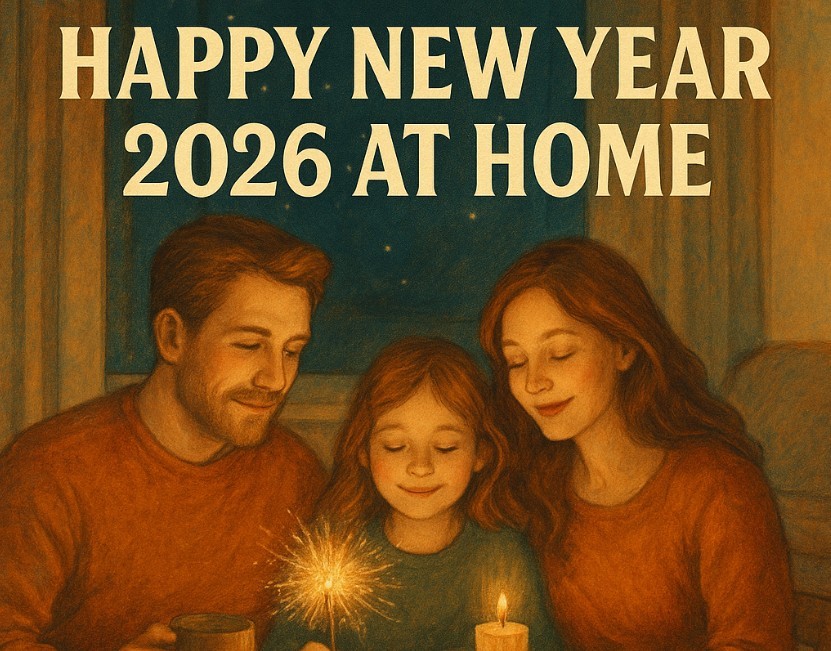
Instead of fireworks and champagne crowds, many Americans are welcoming 2026 with quiet rituals designed to mark transition without overwhelm. These rituals vary, but they share a common theme: presence.
Some families choose a shared dinner cooked at home, often featuring foods connected to memory or heritage. Others light candles, write letters to themselves, or take a walk just before midnight. A growing number of people end the year offline, turning off notifications hours before midnight.
A popular trend within the quiet New Year celebration movement is reflection without pressure. Instead of writing long lists of resolutions, people choose one word to guide the year ahead. Words like “steady,” “rest,” or “focus” are common. This approach feels lighter and more realistic.
Intentional rituals are also replacing public countdowns. Some households mark the new year earlier in the evening, especially families with children. Others skip the exact moment altogether and focus on the first morning of January instead. A quiet coffee at sunrise is becoming a meaningful symbol of a fresh start.
These intentional New Year rituals are simple by design. They do not require perfection or external validation. That simplicity is the point.
Stories From Real American Households
In a suburb outside Minneapolis, a couple in their forties has spent the last three New Year’s Eves at home with their dog. They cook a favorite meal, share what they learned during the year, and go to bed before midnight. “It feels honest,” they say. “No pretending.”
In Austin, a single mother celebrates New Year’s Eve with her two children by making a “memory jar.” Each person writes down one moment they want to carry into the new year. Fireworks are replaced with sparklers in the backyard, finished early enough for bedtime.
A young professional in Seattle describes her New Year ritual as “boring in the best way.” She cleans her apartment, deletes old photos from her phone, and takes a long bath before sleeping. “It feels like making space,” she explains. “Not adding more noise.”
These stories are not outliers. They reflect a broader cultural shift across the country. For many Americans, Happy New Year 2026 USA is less about where you are and more about how you feel.
What This Says About 2026 Values
The move toward quiet celebrations says something important about American values in 2026. There is a growing preference for authenticity over display. People want experiences that match their real energy, not what tradition or social media expects.
This shift also reflects a new understanding of success. Instead of starting the year with pressure to change everything, many Americans are choosing continuity and care. The goal is not reinvention. It is stability.
Mental health is no longer a side conversation. It is shaping everyday decisions, including how people mark time and transition. Choosing a low-key New Year is not about giving up fun. It is about protecting well-being.
Another notable value is agency. Americans are increasingly comfortable opting out of traditions that do not serve them. The idea that celebration must look a certain way is losing its power. In its place is freedom to design something personal.
As new year traditions America 2026 continue to evolve, the quiet New Year is likely here to stay. It offers flexibility, emotional safety, and meaning. For many, that is exactly what a new beginning should feel like.
A Different Kind of Welcome
Welcoming 2026 quietly does not mean ignoring hope. In fact, it may reflect a deeper kind of optimism. One rooted in self-awareness, boundaries, and care.
As Americans say Happy New Year 2026 in living rooms, kitchens, and quiet moments alone, they are proving that celebration does not need to be loud to matter. Sometimes, the most powerful way to begin is simply to pause, breathe, and step forward with intention.
 Learn to Say 'Happy New Year' in 35 Different Languages with English Pronunciation Learn to Say 'Happy New Year' in 35 Different Languages with English Pronunciation One of the simplest and most meaningful ways to connect with others during this festive season is by learning how to say "Happy New Year" ... |
 Why We Celebrate New Year's Day? History, Significance, and Traditions Why We Celebrate New Year's Day? History, Significance, and Traditions Happy new year 2025: We explores the origins of New Year’s celebrations, their cultural importance, and the reasons why this day remains so special to ... |
 Top 50 New Year’s Messages to Send via WhatsApp to Family, Friends, and Colleagues Top 50 New Year’s Messages to Send via WhatsApp to Family, Friends, and Colleagues To help you share the festive spirit, we’ve compiled a list of 50 New Year’s messages tailored for different recipients. |