Federal Report Confirms Two Officers Fired in Alex Pretti Shooting


 |
| Pretti was pronounced dead at the scene |
A newly released Department of Homeland Security (DHS) report confirms that two federal officers fired their service weapons during the fatal encounter that killed 37-year-old ICU nurse Alex Pretti in Minneapolis on January 24, 2026. The disclosure, sent to the U.S. Congress, marks a significant update in a case that has ignited nationwide debate over the conduct of federal immigration enforcement.
Pretti, a nurse at the Minneapolis Veterans Affairs Hospital and a legal gun owner, was shot and killed by agents from U.S. Customs and Border Protection (CBP) amid a wider immigration enforcement operation in the Twin Cities. According to the DHS notification, both aBorder Patrol agentand a CBP officer discharged their Glock pistols during a struggle on the street that ended with Pretti’s death. The report does not definitively state whether Pretti himself brandished his weapon at any point.
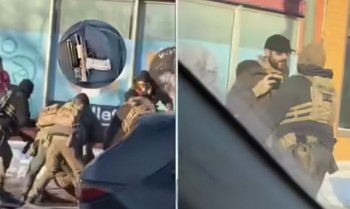
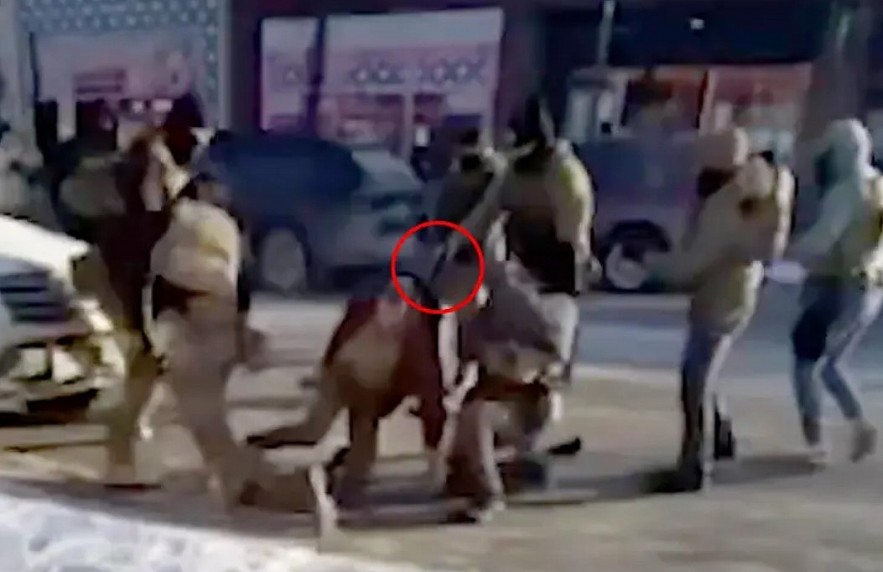
The initial internal review, conducted by the CBP’s Office of Professional Responsibility, was based on body-worn camera footage and official documentation, which agencies are required to submit to Congress under federal law. The notice describes an attempt by agents to take Pretti into custody, followed by a physical confrontation in which an agent yelled that Pretti had a gun before shots were fired.
Despite federal claims of self-defense, bystander videos and witness testimony challenge the official narrative. Multiple recordings circulating online show Pretti holding a cellphone just moments before the shooting, while another video appears to show an agent removing Pretti’s firearm from the struggle before shots were fired. Critics argue this raises questions about the sequence of events and whether Pretti posed a direct threat when the deadly force was used.
The shooting has intensified public outcry in Minnesota and across the United States. Pretti is the second U.S. citizen killed by federal immigration agents in Minneapolis this month, following the fatal shooting of Renee Nicole Good earlier in January. The two incidents have drawn sharp criticism from community leaders, civil rights advocates, and lawmakers who argue that federal enforcement tactics have been overly aggressive and lack transparency.
Minnesota Governor Tim Walz and Minneapolis Mayor Jacob Frey have both urged comprehensive, independent investigations into the Pretti shooting, underscoring concerns about federal jurisdiction and accountability. Local officials have also voiced frustration over limited access to evidence and cooperation from federal authorities.
At the federal level, the incident has sparked political fallout. Calls for greater oversight of DHS Secretary Kristi Noem have grown louder in Congress, with some lawmakers pushing for impeachment proceedings, claiming mismanagement of immigration enforcement operations and misleading public statements about the shootings.
Meanwhile, CBP’s Minneapolis Border Patrol commander Gregory Bovino has been relieved of his command amid mounting backlash, and some agents are expected to be redeployed out of the state. DHS has stated that the ongoing investigations will include internal reviews and forensic analysis, and that all relevant evidence will be preserved for further examination.
The Pretti case highlights deep divisions in national debates over immigration enforcement, use of force by federal agents, and the balance between security operations and civil liberties. With multiple inquiries underway and public protests continuing, the shooting remains a flashpoint in discussions about law enforcement accountability in the United States.