Early Spring Home Energy Check: 5 Small Fixes That Save Americans Money All Year

Why early spring is the smartest time to check your home’s energy use
For many American households, winter officially ends on the calendar, but energy bills don’t get the memo. Heating systems keep running, drafts linger, and small problems from winter quietly raise utility costs month after month.
Early spring is the ideal moment to step in. The weather is mild enough to make changes comfortably, but heating and cooling systems are still in use. Catching problems now prevents wasted energy through spring, summer, and even next winter.
The best part? Most energy leaks come from small, fixable issues. Below are five realistic, low-cost checks Americans are doing in early 2026 to reduce utility bills without major renovations.
Read more:
- The Simplest Energy Saving Tips for Using Air Conditioners
- The Best Tips for Saving Money When Decorating Home and Garden
- 7 Ways to Save on Gasoline and Purchasing the Cheapest Gas during Prices Rising
Fix #1: Seal door and window drafts winter left behind
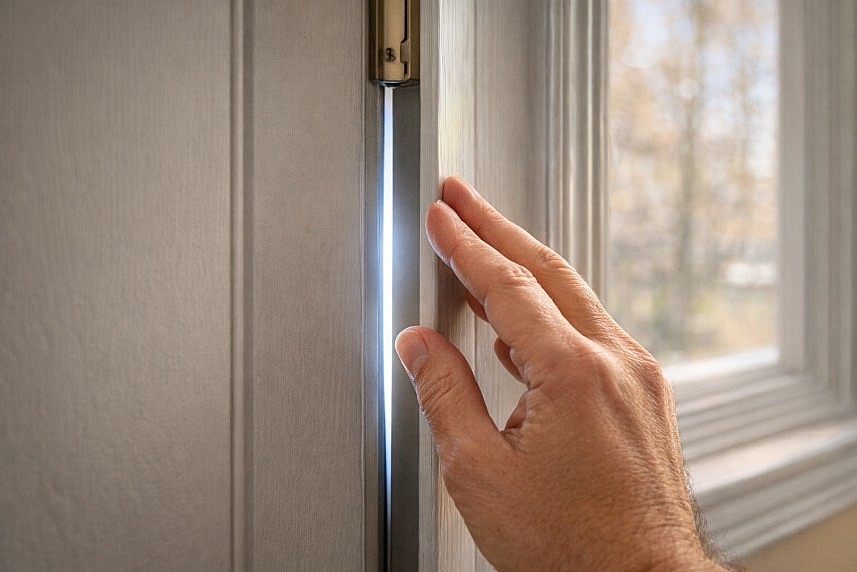
After months of cold temperatures, doors and windows often develop tiny gaps. These drafts may seem minor, but they allow warm air to escape and cold air to enter, forcing heating systems to work harder.
A quick early spring check is easy:
-
Run your hand along door edges on a cool morning
-
Feel around window frames for cold air
-
Look for visible gaps or loose seals
Many Americans use weather stripping, door sweeps, or temporary draft blockers. These supplies are inexpensive and available at any hardware store. Sealing drafts can make rooms feel warmer immediately and reduce heating loss overnight.
This is especially important in older homes and rental properties, where insulation upgrades aren’t always possible.
 |
| The Heat Is Leaking |
Fix #2: Replace your furnace or HVAC air filter
This is one of the most overlooked energy-saving steps in American homes.
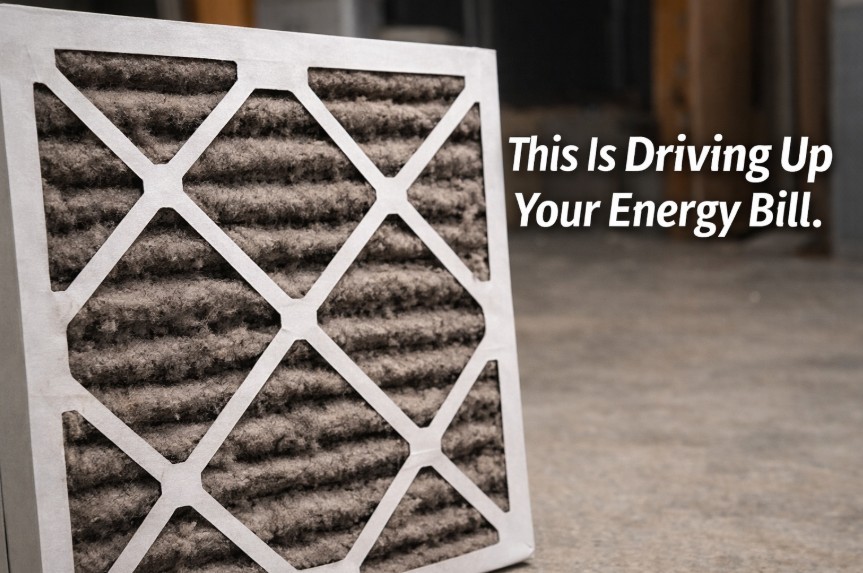
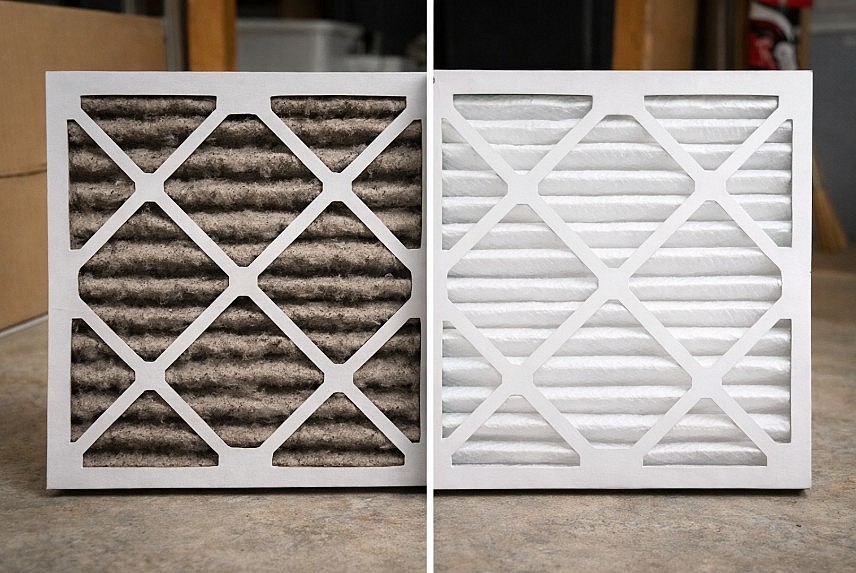
After a full winter of use, furnace and HVAC filters are usually clogged with dust, pet hair, and debris. A dirty filter restricts airflow, making the system run longer and use more energy.
Most professionals recommend:
-
Checking filters monthly during heavy use
-
Replacing them at the end of winter or early spring
Replacing a filter takes less than five minutes and can improve both energy efficiency and indoor air quality. For many households, this single step leads to noticeable savings on the next utility bill.
Read more: How Americans Cut Their Heating Bills in Early Spring Without Freezing at Home
Fix #3: Check your thermostat settings and schedule
Many Americans forget to adjust thermostat settings once winter ends. As a result, homes are heated like it’s still January.
Early spring is the right time to reset:
-
Lower daytime settings slightly as outdoor temperatures rise
-
Reduce nighttime temperatures when everyone is sleeping
-
Adjust “away” settings if the home is empty during the day
Smart thermostats make this easier, but even basic programmable models work well. Consistent settings save more energy than frequent manual changes.
A small adjustment of just one or two degrees can reduce heating costs without affecting comfort.
 |
| This 5-Minute Fix Saves Money” |
Fix #4: Inspect heat loss in overlooked areas
While doors and windows get attention, heat often escapes from less obvious spots.
Common problem areas include:
-
Attic hatches
-
Basement windows
-
Garage doors attached to the house
-
Gaps around pipes or vents
Many Americans use simple solutions like foam sealant or insulation covers to reduce heat loss in these areas. Early spring temperatures make it easier to work in basements or garages compared to mid-winter cold.
Fixing these leaks helps maintain indoor temperatures more evenly, reducing the need for constant heating adjustments.
Fix #5: Review how your heating system actually runs
Early spring is a good time to observe heating behavior without the stress of extreme cold.
Pay attention to:
-
How often the system turns on
-
Whether rooms heat unevenly
-
Strange noises or long run times
These signs can indicate inefficiency or maintenance issues. While full servicing may not be needed, catching problems early can prevent higher energy use and costly repairs later.
Many Americans also clean vents and ensure furniture isn’t blocking airflow, which helps heat circulate more efficiently.
 |
| One Hour. All-Year Savings. |
Why small fixes matter more than big upgrades
Large home energy upgrades like new windows or insulation can be expensive. While they help, most households see faster results from small, targeted fixes.
Early spring energy checks work because:
-
Problems from winter are still fresh
-
Heating systems are still active
-
Changes affect energy use year-round
Households that seal drafts, replace filters, and reset thermostats early often report lower bills not just in spring, but through summer cooling season as well.
Renters can benefit too
You don’t need to own a home to save energy.
Renters across the U.S. use many of these fixes:
-
Draft blockers for doors
-
Removable weather stripping
-
Filter changes approved by landlords
-
Smart thermostat scheduling where allowed
These small steps help control utility costs without permanent changes to the property.
The bottom line: one hour now, savings all year
An early spring home energy check doesn’t require technical skills or a big budget. Most Americans can complete these five fixes in under an hour.
By sealing drafts, replacing filters, adjusting thermostat settings, and checking overlooked areas, households can cut unnecessary energy waste and keep utility bills under control long after winter ends.
In a time when energy costs remain unpredictable, early spring is the smartest moment to take action. Small fixes now lead to real savings all year long.