What Is Costco’s $4.99 Kirkland Signature Chicken and Why Is It at the Center of a Lawsuit?

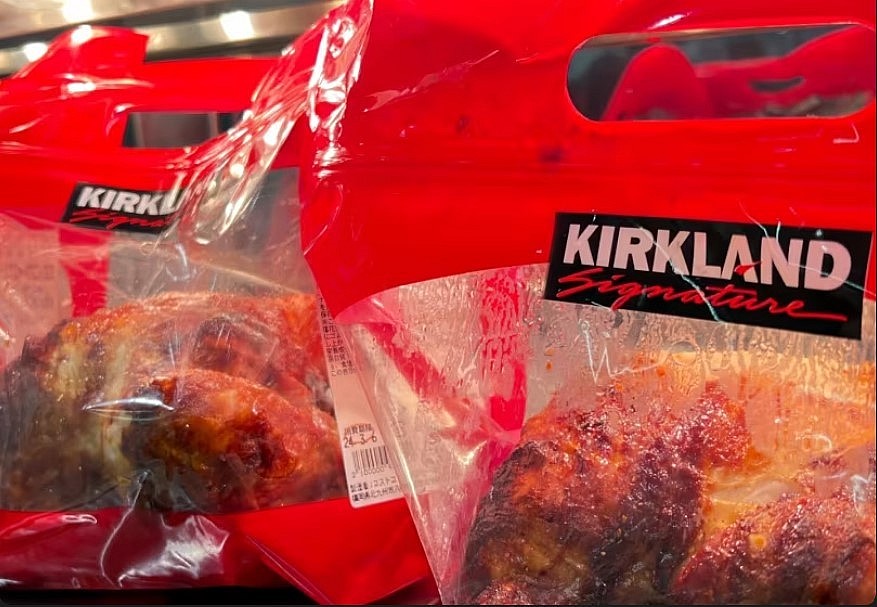 |
| Costco’s $4.99 chicken under fire over ‘no preservatives’ claim |
The $4.99 rotisserie chicken sold under the Kirkland Signature brand is one of the most recognizable products at Costco Wholesale Corporation. For years, shoppers have seen it as a symbol of value: a large, ready-to-eat chicken priced far below what most grocery stores can offer.
Now, that same product is at the center of a class-action lawsuit, raising questions about food labeling, consumer trust, and what “no preservatives” really means.
Read more: What is Costco: Everything you need to know about Costco
What Is the Kirkland Signature $4.99 Rotisserie Chicken?
Costco’s Kirkland Signature rotisserie chicken is a fully cooked, seasoned chicken sold hot in Costco warehouses across the United States. It has been priced at $4.99 for many years, despite inflation and rising food costs.
The chicken is widely considered a “loss leader,” meaning Costco may sell it at little or no profit to attract shoppers into the store. Once inside, customers often purchase additional items, helping offset the low price of the chicken.
Because of its popularity, the product has become closely associated with Costco’s brand and reputation for value.
Why Is Costco Being Sued?
The lawsuit focuses on how Costco marketed this rotisserie chicken, particularly claims that it contained “no preservatives.”
According to the complaint, the chicken includes ingredients such as sodium phosphate and carrageenan, which some consumers and food experts classify as preservatives or preservative-like additives. While these ingredients were listed on the ingredient label, the lawsuit argues that prominently advertising the chicken as having “no preservatives” could mislead reasonable consumers.
The plaintiffs claim they would not have purchased the chicken, or would have paid less for it, had they known these ingredients were included.
Read more: What is A Costco Membership: Really Price Cheaper, Fee, Worth and Benefit
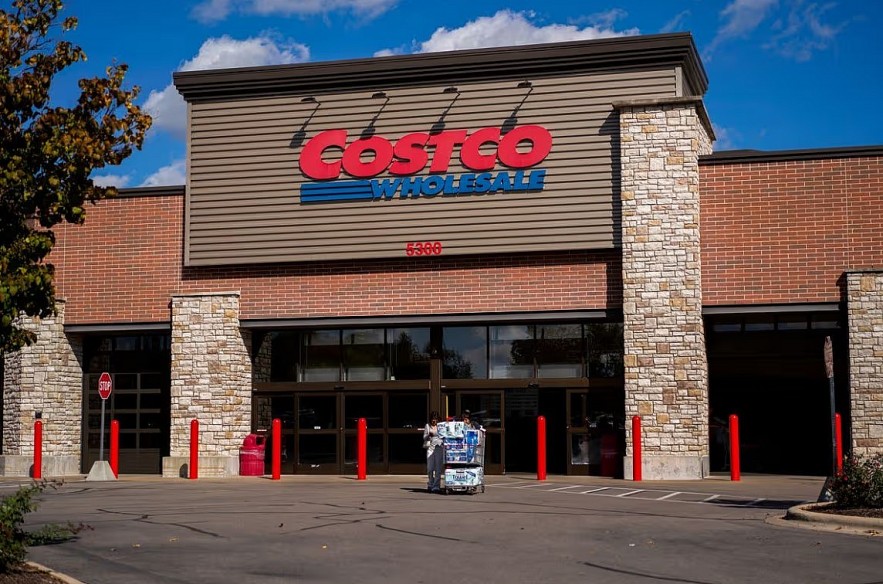 |
| Costco’s $4.99 rotisserie chicken has been a polarizing product based on its taste, not its price. |
What Are Sodium Phosphate and Carrageenan?
Sodium phosphate is commonly used in processed meats to help retain moisture and improve texture. Carrageenan, derived from seaweed, is often used as a stabilizer or thickener.
Both ingredients are approved for use by U.S. food safety regulators and are widely used in the food industry. However, they are sometimes viewed by consumers as preservatives, even when manufacturers describe them as processing aids or texture enhancers.
The legal dispute centers on whether labeling the chicken as “no preservatives” is accurate or misleading when these ingredients are present.
Read more: 15 Most Popular Grocery Chains in the U.S: Walmart, Kroger, Costco, And Albertsons
What Does the Lawsuit Ask For?
The case is filed as a proposed class-action lawsuit, meaning it could potentially include all customers who purchased the rotisserie chicken during a certain period.
The plaintiffs are seeking:
-
Financial compensation for affected customers
-
Changes to Costco’s labeling and marketing practices
-
Legal recognition that the “no preservatives” claim was misleading
No specific dollar amount has been publicly disclosed.
Costco’s Response
Costco has stated that the ingredients used in the rotisserie chicken are safe, approved, and serve specific functional purposes rather than preservation in the traditional sense.
The company has also reportedly removed or revised “no preservatives” language from some marketing materials and displays, suggesting an effort to avoid confusion rather than an admission of wrongdoing.
Costco has not acknowledged liability and is expected to defend its labeling practices in court.
Why This Case Matters to Consumers
This lawsuit highlights a broader issue in food marketing: how ingredient claims are interpreted by everyday shoppers.
Many consumers rely on short phrases like “no preservatives,” “natural,” or “clean label” to make quick decisions. When those phrases conflict with ingredient lists, trust can erode.
Regardless of the outcome, the case may encourage retailers to use clearer, more precise language on food labels to avoid future legal challenges.
The Bottom Line
Costco’s $4.99 Kirkland Signature rotisserie chicken remains one of the most popular items in American retail. The lawsuit does not claim the product is unsafe, but rather questions whether its marketing accurately reflects what’s inside.
As the case moves forward, it could set an important precedent for how food retailers describe ingredients — and how much detail consumers expect from simple claims on packaging.