What Travelers Can Still Do When Winter Storms Cancel Hundreds of Flights

When winter storms sweep across the US, flight cancellations often feel sudden and overwhelming. Departure boards fill with red alerts. Customer service lines stretch for hours. Hotel prices surge as stranded passengers scramble for options.
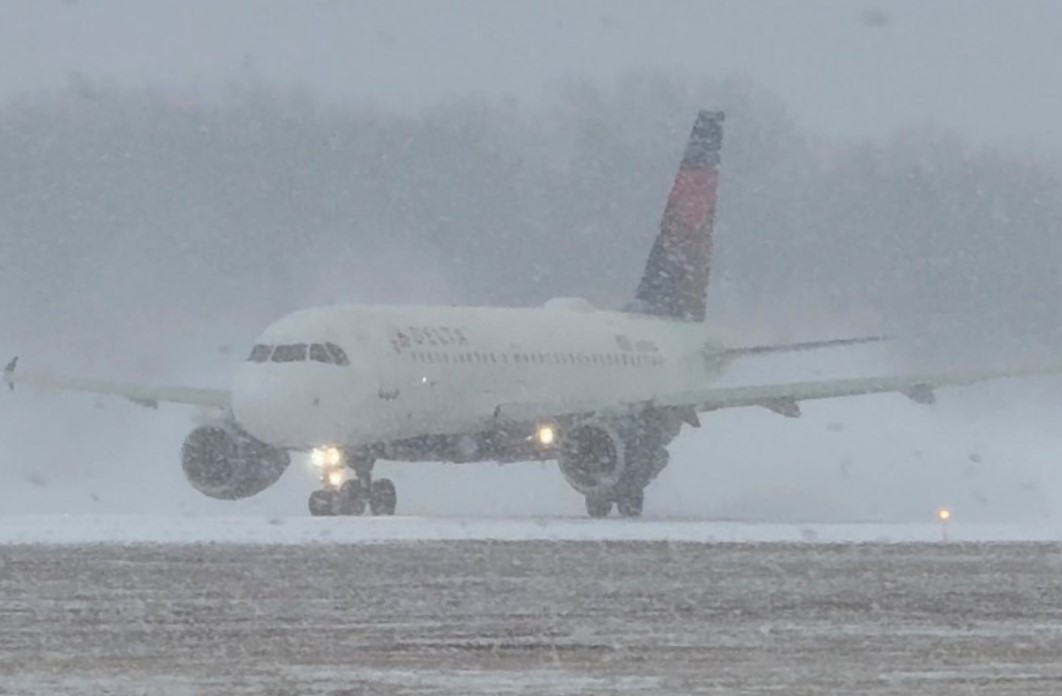
During the latest Northeast winter storm, more than 1,800 flights were cancelled and tens of thousands delayed nationwide, according to FlightAware. While New York airports absorbed the brunt of the disruption, the impact rippled across the country.
For travelers caught in the chaos, the worst mistake is waiting without a plan. Airlines, weather agencies, and consumer advocates all agree on one point: acting early matters.
Here is what passengers can still do when flights are cancelled en masse.
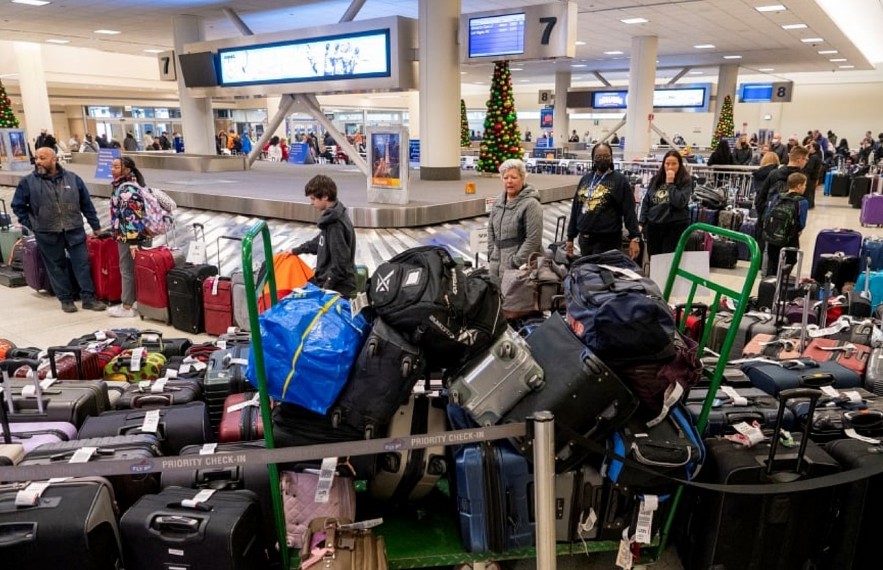 |
| What Travelers Can Still Do When Winter Storms Cancel Hundreds of Flights |
Rebook first, ask questions later
The moment a flight is cancelled, rebooking should be the top priority.
Most major US airlines automatically rebook passengers, but those new itineraries may not be ideal. Travelers who proactively rebook through airline apps or websites often secure better options before seats disappear.
Airlines typically allow free changes during major weather disruptions, even on nonrefundable tickets. If the app fails, airport kiosks can sometimes be faster than waiting for an agent.
“During winter storms, the app is your best friend,” said a former airline customer service supervisor. “Once seats are gone, no one can create them.”
Consider nearby airports and alternative routes
When entire airport systems slow down, flexibility becomes critical.
Passengers scheduled through New York’s major airports may find better luck rerouting through nearby cities such as Boston, Philadelphia, or Washington, depending on storm conditions. Even shifting the departure by a few hours or flying into a secondary airport can dramatically improve odds.
Short-haul flights are often cancelled first, so travelers heading to regional destinations may benefit from connecting through larger hubs once weather improves.
Monitoring real-time conditions through FlightAware or airline alerts helps identify which airports are recovering faster.
Know when to wait and when to walk away
Not every cancelled flight should be rebooked immediately.
If winter storm warnings remain active and forecasts show worsening conditions, rebooking too early can result in repeated cancellations. In these cases, waiting until weather stabilizes may save time and stress.
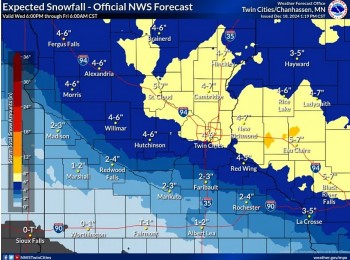
The National Weather Service often provides updated guidance on when hazardous travel conditions are expected to ease. Travelers should pay attention not only to snowfall totals, but also wind, visibility, and overnight icing risks.
For discretionary trips, cancelling altogether and requesting a refund or travel credit may be the smartest option.
Understand your rights during weather cancellations
Weather-related cancellations are considered “force majeure,” meaning airlines are not required to provide hotel accommodations or meal vouchers in most cases.
However, passengers are generally entitled to:
-
Free rebooking on the same airline
-
A refund if they choose not to travel
-
Baggage delivery if separated from checked luggage
Policies vary by airline, and international flights may follow different rules. Checking the airline’s contract of carriage can clarify options.
Credit cards with travel protection may also cover hotel or meal expenses caused by weather disruptions.
Book hotels early if you’re stuck
When storms cancel hundreds of flights, hotel rooms near major airports sell out quickly.
Travelers who suspect they may be stranded overnight should book a refundable hotel as soon as delays escalate. Many booking platforms allow free cancellation, offering flexibility if plans change.
Airport hotels fill first. Looking slightly farther away often yields better availability and prices, especially once ride-sharing services resume normal operations.
Fly earlier when operations resume
Flights scheduled early in the morning are statistically more likely to depart on time after a storm.
Aircraft and crews are typically in position overnight, and delays compound as the day progresses. Travelers rebooking after winter storms should prioritize early departures whenever possible.
Late-afternoon flights face higher risks, especially if residual weather or congestion remains.
Use weather data, not just airline updates
Airlines focus on operational decisions. Travelers should also follow independent weather sources.
The National Weather Service provides region-specific updates that explain when conditions are improving or deteriorating. Understanding the broader forecast can help travelers decide whether to push forward or pause plans.
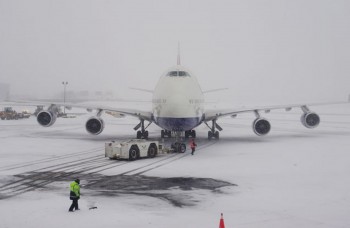
A clear runway does not always mean clear skies ahead.
Accept that some disruptions are unavoidable
Even with preparation, winter storms can overwhelm systems.
Snow removal, de-icing delays, crew availability, and air traffic control restrictions all affect recovery timelines. While frustration is understandable, airline staff often have limited control during widespread weather events.
Staying informed, flexible, and proactive remains the best strategy.
FAQs
What should I do first if my flight is cancelled due to a winter storm?
Rebook immediately using the airline app or website before seats fill up. Waiting to speak with an agent can limit options.
Can I get a refund if my flight is cancelled for weather?
Yes. US airlines generally offer refunds if you choose not to travel after a cancellation, even for nonrefundable tickets.
Will airlines pay for hotels during snowstorms?
Usually no. Weather is considered outside airline control, though some credit cards may cover expenses.
Are early morning flights better after winter storms?
Yes. Early flights are less affected by cascading delays and crew shortages.
Should I trust airline updates or weather forecasts more?
Use both. Airline updates reflect operations, while weather forecasts help you judge whether conditions are improving.