US Religious Holidays 2026: A Complete Calendar With Meanings and Traditions

 Religious Holidays in Canada 2025: Origins, Significances, Celebrations, and Closures Religious Holidays in Canada 2025: Origins, Significances, Celebrations, and Closures |
 Middle East Calendar 2025 - Public Holidays: Significances and Celebrations Middle East Calendar 2025 - Public Holidays: Significances and Celebrations |
Religious holidays play an important role in daily life across the United States. They influence family schedules, school calendars, workplace planning, and community events. Some religious holidays fall on fixed dates each year, while others shift because they follow lunar or lunisolar calendars.
Below is a clear, easy-to-follow guide to U.S. religious holidays in 2026, including key dates, their significance, and how people commonly observe them.
 |
| 2026 Guide to Religious Holidays in the United States: Dates, Faiths, and Celebrations |
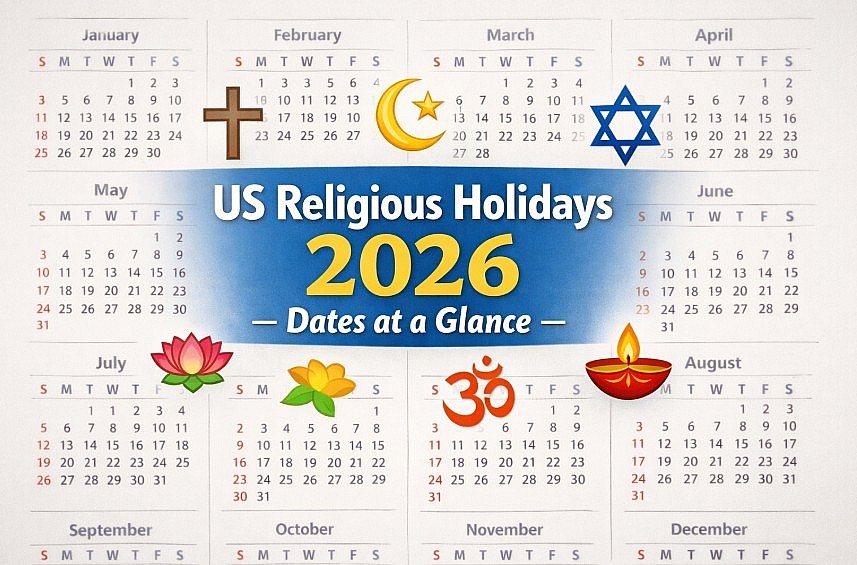
Quick 2026 Religious Holiday Calendar (U.S.)
Here is a fast-reference list of major religious holidays widely observed in the United States in 2026:
-
Lunar New Year: Tuesday, February 17, 2026
-
Ash Wednesday (Christian): Wednesday, February 18, 2026
-
Ramadan begins (Islamic): Evening of Tuesday, February 17, 2026 (expected)
-
Eid al-Fitr (Islamic): Friday, March 20, 2026 (tentative)
-
Holi (Hindu): Tuesday–Wednesday, March 3–4, 2026
-
Passover (Jewish): Sundown Wednesday, April 1 – Nightfall Thursday, April 9, 2026
-
Easter Sunday (Christian): Sunday, April 5, 2026
-
Eid al-Adha (Islamic): Wednesday, May 27, 2026 (tentative)
-
Rosh Hashanah (Jewish): Sundown Friday, September 11 – Nightfall Sunday, September 13, 2026
-
Yom Kippur (Jewish): Sundown Sunday, September 20 – Nightfall Monday, September 21, 2026
-
Diwali / Deepavali: Sunday, November 8, 2026
-
Hanukkah (Jewish): Sundown Friday, December 4 – Nightfall Saturday, December 12, 2026
-
Christmas (Christian): Friday, December 25, 2026
Read more:
- Top 20 Major Religious Holidays Around the World: Origins, Meanings and How They’re Celebrated
Christian Holidays in 2026
Ash Wednesday — February 18, 2026
Ash Wednesday marks the beginning of Lent, a season of reflection and spiritual preparation leading up to Easter. Many Christians attend church services where ashes are placed on the forehead as a reminder of humility and renewal.
Common observances include:
-
Attending midweek church services
-
Fasting or giving up certain habits during Lent
-
Increased focus on prayer, charity, and service
Easter Sunday — April 5, 2026
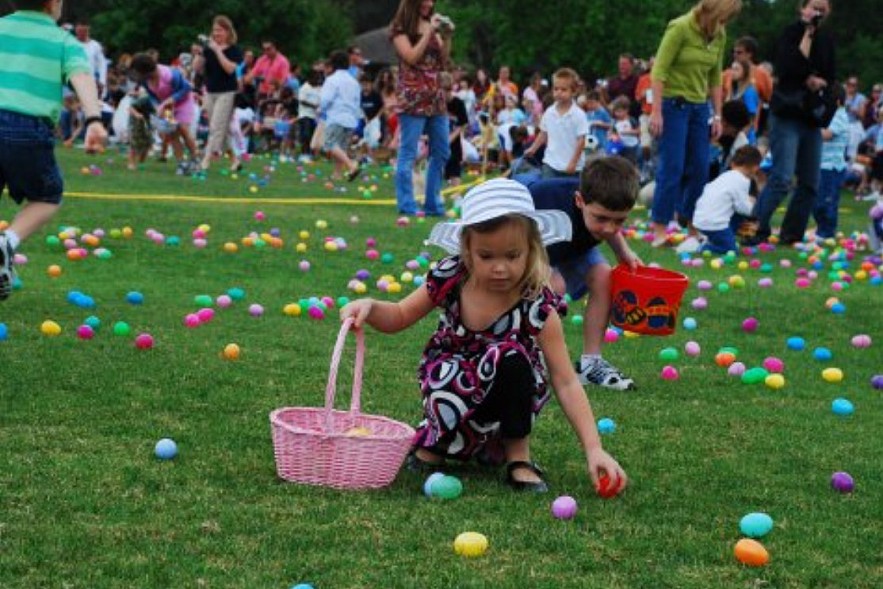 |
| Easter Sunday |
Easter is the most important holy day in Christianity, celebrating the resurrection of Jesus Christ. It follows the spring equinox and the full moon, which is why the date changes each year.
How Easter is often celebrated in the U.S.:
-
Church services, including sunrise services
-
Family meals and gatherings
-
Cultural traditions such as Easter eggs and community events
Christmas — December 25, 2026
Christmas celebrates the birth of Jesus Christ and is one of the most widely observed holidays in the United States, both religiously and culturally.
Typical traditions include:
-
Church services on Christmas Eve or Christmas Day
-
Gift exchanges and family gatherings
-
Nativity scenes, caroling, and charitable activities
Jewish Holidays in 2026
Jewish holidays traditionally begin at sundown and end at nightfall, which is important for planning school, work, and family activities.
Passover (Pesach) — April 1–9, 2026
Passover commemorates the Exodus of the Israelites from Egypt. Families gather for seder meals that retell the story using symbolic foods and readings.
Common observances:
-
Seder dinners during the first nights of the holiday
-
Avoiding leavened bread and eating matzah
-
Family storytelling and traditional prayers
Rosh Hashanah — September 11–13, 2026
Rosh Hashanah marks the Jewish New Year and begins a period of reflection and self-examination.
How it is observed:
-
Synagogue services and prayers
-
Blowing the shofar
-
Traditional foods symbolizing a sweet new year
Yom Kippur — September 20–21, 2026
Yom Kippur, the Day of Atonement, is one of the holiest days in Judaism. It focuses on repentance, forgiveness, and renewal.
Typical observances:
-
Fasting for those who are able
-
Extended prayer services
-
Seeking forgiveness and making amends
Hanukkah — December 4–12, 2026
Hanukkah commemorates the rededication of the Second Temple in Jerusalem.
Common traditions include:
-
Lighting the menorah for eight nights
-
Foods cooked in oil, such as latkes
-
Games, songs, and family gatherings
 |
| Hanukkah food festivals |
Muslim Holidays in 2026
Islamic holidays follow the lunar calendar, so exact dates may vary slightly depending on local moon sightings.
Ramadan — Expected to Begin February 17, 2026
Ramadan is a month dedicated to fasting, prayer, self-discipline, and generosity.
Common practices include:
-
Fasting from dawn until sunset
-
Evening meals known as iftar
-
Increased prayer and charitable giving
Eid al-Fitr — March 20, 2026 (Tentative)
Eid al-Fitr marks the end of Ramadan and is a time of celebration and gratitude.
How it is celebrated:
-
Morning prayers
-
Family gatherings and festive meals
-
Acts of charity and gift-giving
Eid al-Adha — May 27, 2026 (Tentative)
Eid al-Adha honors faith and devotion and coincides with the Hajj pilgrimage season.
Typical observances:
-
Community prayer services
-
Charity and food sharing
-
Family meals and visits
Read more: Islamic Calendar in 2026: Key Dates, How It Works, and What to Expect Worldwide
Hindu and Related Holidays in 2026
Holi — March 3–4, 2026
Holi celebrates the arrival of spring and the triumph of good over evil. It is widely known as the festival of colors.
Celebrations often include:
-
Outdoor color events
-
Music, dancing, and shared meals
-
Temple services in some communities
Diwali / Deepavali — November 8, 2026
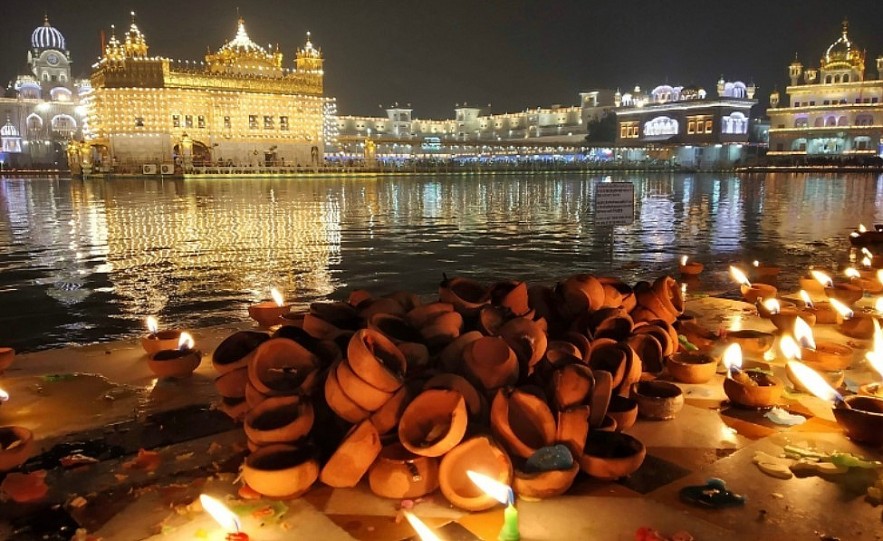 |
| Diwali |
Diwali is the festival of lights, celebrated by Hindu, Jain, Sikh, and some Buddhist communities.
Typical traditions:
-
Lighting lamps and decorative lights
-
Prayers and family gatherings
-
Sweets, gifts, and cultural performances
Lunar New Year — February 17, 2026
Lunar New Year is celebrated in many Asian American communities. Traditions vary by culture but often combine family customs with spiritual practices.
Common elements include:
-
Family reunion meals
-
Temple visits in some traditions
-
Parades, lion dances, and community festivals
Plan Tips for 2026Remember that many Jewish and Islamic holidays begin at sundown. Treat Islamic holiday dates as estimates until officially confirmed. Check local school and workplace policies for excused absences. When hosting or attending events, learning one key tradition helps make celebrations more meaningful |