K-Pop Battled Its Demons — Literally: Why KPop Demon Hunters Resonates Worldwide

 Top 10 Most Beautiful K-Pop Faces of 2024 Top 10 Most Beautiful K-Pop Faces of 2024 |
 Who Are The Most Handsome Faces of K-Pop - Top 10 Who Are The Most Handsome Faces of K-Pop - Top 10 |
 Top 10 Most Beautiful Girl Groups in K-Pop Of All-Time Top 10 Most Beautiful Girl Groups in K-Pop Of All-Time |
 |
| K-Pop Battled Its Demons — Literally: The Cultural Meaning Behind KPop Demon Hunters |
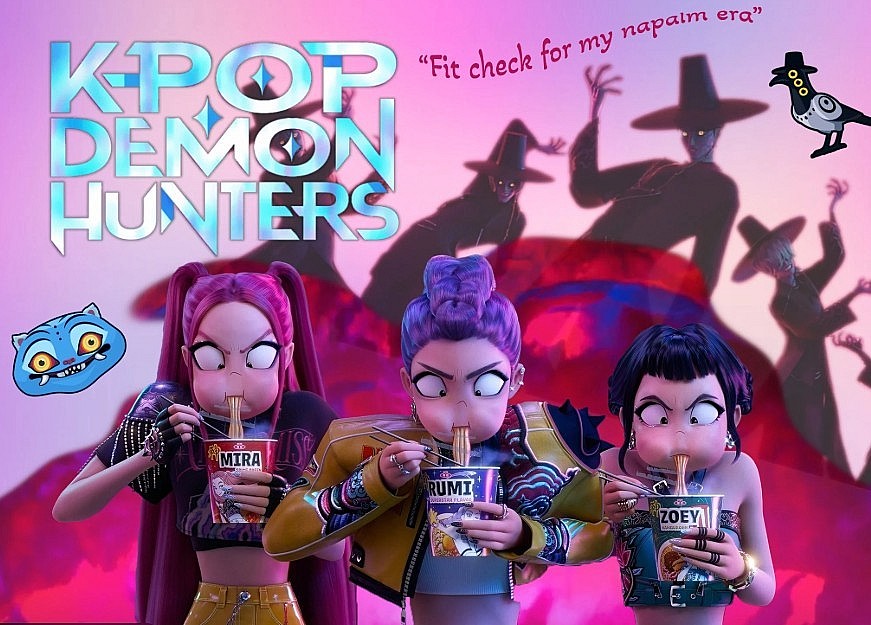
When audiences say “K-pop battled its demons,” they are usually speaking in metaphors — pressure, perfectionism, and the psychological cost of fame. With KPop Demon Hunters, that metaphor becomes literal. Idols fight demons on screen, blending Korean folklore, pop stardom, and animation into a story that has resonated with viewers worldwide. Its extraordinary success, surpassing 500 million views on Netflix, suggests something bigger than a hit movie: a global appetite for confronting the darker side of K-pop through symbolism rather than scandal.
When “Battling Demons” Stops Being a Figure of Speech
For years, the phrase “K-pop’s demons” has been shorthand for an uncomfortable truth. The industry’s global polish often masks intense emotional strain, relentless scrutiny, and impossible expectations. Media coverage has tried to expose these issues, but it often swings between vague commentary and invasive sensationalism.
KPop Demon Hunters takes a different route. Instead of talking about demons, it shows them. Anxiety, fear, and systemic pressure are transformed into literal monsters. This shift is subtle but powerful. By externalizing internal struggles, the film allows audiences to engage with heavy themes without requiring knowledge of real-life controversies or personal tragedies.
This is why searches like “kpop demon hunters meaning” are rising. Viewers are not just watching for entertainment. They are decoding symbolism.
Why Animation Was the Right Medium
Animation gives the film a critical advantage. Live-action realism might have felt too close to real events, risking discomfort or exploitation. Animation creates space. It softens the edges without dulling the message.
Fantasy lets the story talk about burnout, identity loss, and fear of failure without naming real people or companies. The demons are not metaphors hidden in dialogue. They are visible threats, designed to be understood instantly across cultures.
This approach explains why the movie resonates far beyond core K-pop fans. You do not need to follow idol news or understand the trainee system. You only need to recognize the feeling of being watched, judged, and expected to perform perfectly at all times.
The Idol Reimagined: Hero, Not Victim
One of the film’s most effective creative decisions is how it portrays idols themselves. Too often, discussions about K-pop frame artists as passive victims of a harsh system. KPop Demon Hunters rejects that narrative.
Its idols are hunters. They are skilled, capable, and proactive. They confront danger directly rather than enduring it silently. This framing matters. It restores agency and dignity to characters who might otherwise be defined only by suffering.
For fans, this portrayal feels validating. For general audiences, it is empowering. The film acknowledges pressure without turning its characters into warnings or symbols of collapse.
Folklore as a Bridge, Not a Barrier
The demons in KPop Demon Hunters draw heavily from Korean folklore, but the film never stops to lecture. Mythology is communicated visually, through design and atmosphere rather than exposition.
This allows the story to remain culturally specific while staying globally accessible. Viewers experience something rooted in Korean tradition without needing prior cultural knowledge. The result is not dilution but translation.
It is a reminder that local stories travel best when they trust audiences to feel rather than study.
What 500 Million Views Really Mean
Crossing 500 million views is more than a marketing headline. It is a cultural signal.
It suggests audiences are ready to engage with stories that complicate the glossy image of K-pop instead of blindly celebrating or aggressively criticizing it. Viewers want narratives that admit darkness while still honoring artistry.
The film’s strong awards-season performance reinforces this idea. Critics are not responding only to its popularity, but to how effectively it uses animation to explore difficult themes with care.
In SEO terms, this is where “k-pop demons metaphor” becomes an evergreen concept. The movie is not tied to a single news cycle. Its themes will remain searchable as long as K-pop remains culturally influential.
Why This Story Resonates Worldwide
At its core, KPop Demon Hunters is not just about K-pop. It is about modern performance culture. The constant demand to be flawless. The fear of public failure. The tension between private identity and public image.
These pressures are not unique to idols. Athletes, influencers, creatives, and even students recognize them. By turning those invisible forces into visible enemies, the film gives shape to feelings many people struggle to articulate.
That is why the phrase “K-pop battled its demons” feels earned here. The movie does not deny the darkness. It confronts it head-on and imagines a way through.
FAQs
What is the meaning behind KPop Demon Hunters?
The film uses demons as metaphors for pressure, fear, and emotional strain within the K-pop industry. By making these struggles literal, it allows audiences to understand complex issues through fantasy.
Why has KPop Demon Hunters become so popular globally?
Its success comes from universal themes, strong visual storytelling, and animation that makes heavy topics accessible without relying on real-world scandals.
Are the demons based on Korean folklore?
Yes. The creatures and symbolism draw inspiration from Korean mythology, blended with modern pop aesthetics to create a globally appealing narrative.
Is KPop Demon Hunters critical of the K-pop industry?
Rather than direct criticism, the film offers reflection. It acknowledges darkness while focusing on resilience and agency instead of blame.
 Top 100 Most Handsome Faces in K-Pop Top 100 Most Handsome Faces in K-Pop Check out the full list of top 100 most handsome fasce in K-Pop with many surprisings! |
 Top 10 Most Beautiful Female Faces of K-Pop On TC Candler 2024 List Top 10 Most Beautiful Female Faces of K-Pop On TC Candler 2024 List There are 22 female K-pop idols on the list of Top 100 most beautiful women's faces in the world in 2023/2024 recently announced by TC ... |
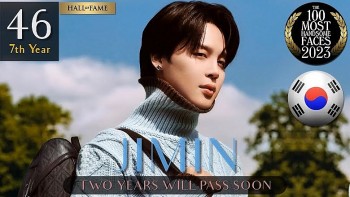 Top 10 Most Handsome Male Faces of K-Pop On TC Candler 2024 List Top 10 Most Handsome Male Faces of K-Pop On TC Candler 2024 List The 100 most beautiful faces in the world were recently announced by TC Candler, an American film, art, and beauty review site. This article will ... |
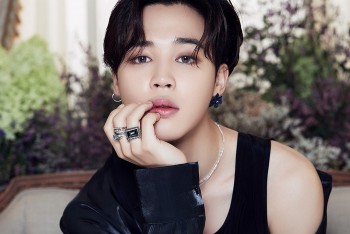 Top 10 Most Handsome Faces of K-POP in 2024/2025 Top 10 Most Handsome Faces of K-POP in 2024/2025 Jimin from BTS has added another golden feather to his hat of accomplishments. He was voted one of the 10 most handsime faces in K-pop ... |