How many African Teams Qualified for 2026 World Cup?



 |
| 10 African Teams Will Represent the Continent at the 2026 World Cup |
Africa will have 10 teams at the 2026 FIFA World Cup. That is the largest African representation in World Cup history, made possible by the expansion from 32 to 48 teams.
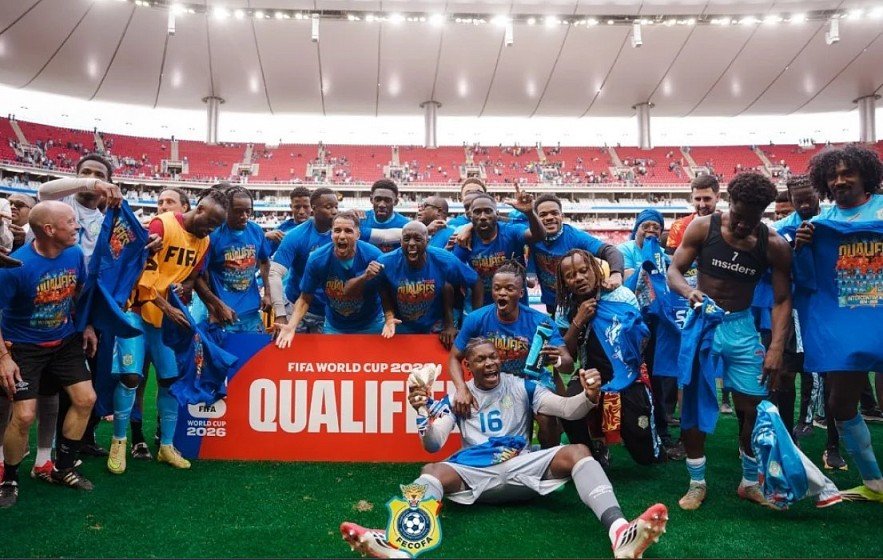
For the first time, the Confederation of African Football (Confederation of African Football) received 9 direct qualification spots plus 1 intercontinental play-off place, which was successfully secured. The result is a full group of ten African nations heading to North America.
Full list of African teams at the 2026 World Cup
Here are the 10 African teams qualified for 2026:
- Morocco
- Tunisia
- Egypt
- Algeria
- Ghana
- Senegal
- Ivory Coast
- South Africa
- Cape Verde
- DR Congo
This list reflects both familiar names and a few important returns, along with at least one true newcomer.
Read more: How Many European Teams Are at the 2026 World Cup? Full UEFA List
A quick look at each African team
Morocco
Morocco national football team comes in with real momentum. Its semi-final run in 2022 remains the best performance by an African team in World Cup history. Morocco is no longer seen as an outsider.
Senegal
Senegal national football team continues to represent consistency. With a strong core and tournament experience, Senegal often looks comfortable at this level.
Egypt
Egypt national football team brings history more than recent World Cup success. Its presence is a reminder of Africa’s deep football roots.
Algeria
Algeria national football team is known for energy and unpredictability. When it clicks, Algeria can disrupt even the most structured opponents.
Tunisia
Tunisia national football team is a regular qualifier. It rarely dominates headlines but often delivers disciplined, competitive performances.
Ghana
Ghana national football team carries the memory of its 2010 quarter-final run. That history still shapes expectations around the team.
Ivory Coast
Ivory Coast national football team blends physical strength with technical quality. It remains one of Africa’s most balanced sides.
South Africa
South Africa national football team returns after missing recent tournaments. Its qualification restores a familiar presence on the global stage.
Cape Verde
Cape Verde national football team is one of the biggest stories. This is its first World Cup appearance, showing how expansion has opened doors.
DR Congo
DR Congo national football team also returns after a long absence. Its last appearance came decades ago, making this a meaningful comeback.
Read more: World Cup 2026: How Many Teams Are Playing, and Who Are They?
Why Africa has more teams in 2026
The jump to 10 teams is not random. It reflects FIFA’s decision to expand the tournament and give more regions direct access.
Africa benefits more than most. Instead of fighting for limited spots, more teams now qualify directly, which reduces reliance on difficult intercontinental play-offs.
The result is a field that feels broader and more representative. You still have traditional powers like Morocco and Senegal, but now there is space for emerging teams like Cape Verde.
What makes this African group different
This African lineup feels more balanced than in previous World Cups.
There is no single dominant narrative. Instead, there are several layers:
- Proven teams with recent success (Morocco, Senegal)
- Established regulars (Egypt, Tunisia, Algeria)
- Competitive challengers (Ghana, Ivory Coast)
- Returning or debut teams (South Africa, DR Congo, Cape Verde)
That mix makes Africa harder to predict. It also makes the group more interesting.
What to expect from African teams in 2026
African teams have been getting closer to a major breakthrough for years. Morocco’s 2022 run showed that a deep tournament push is no longer unrealistic.
With 10 teams instead of 5, the chances of at least one African side reaching the later stages increase naturally. More teams mean more opportunities to build momentum.
At the same time, the expanded format gives African teams a slightly wider margin for error in the group stage, which could help more of them reach the knockout rounds.
Final takeaway
So, how many African teams are at the 2026 World Cup?
The answer is 10.
And the list is now complete: Morocco, Tunisia, Egypt, Algeria, Ghana, Senegal, Ivory Coast, South Africa, Cape Verde, and DR Congo.
It is the largest African presence ever at a World Cup, and it brings a mix of experience, history, and new energy. That alone makes Africa one of the most interesting regions to watch in 2026.
FAQs
How many African teams qualified for the 2026 World Cup?
10 teams from Africa qualified for the 2026 tournament.
Which African teams are playing in the 2026 World Cup?
Morocco, Tunisia, Egypt, Algeria, Ghana, Senegal, Ivory Coast, South Africa, Cape Verde, and DR Congo.
Is this the most African teams ever at a World Cup?
Yes. 2026 will be the first time Africa has 10 teams at the tournament.
Which African team performed best in the last World Cup?
Morocco reached the semi-finals in 2022, the best result ever by an African nation.