FIFA World Cup 2026 USA Host Cities: A Real Traveler’s Guide to All 11 Cities



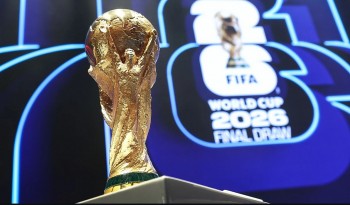
There is something different about this World Cup. Not just bigger. Not just richer. But wider, more complex, and more human.
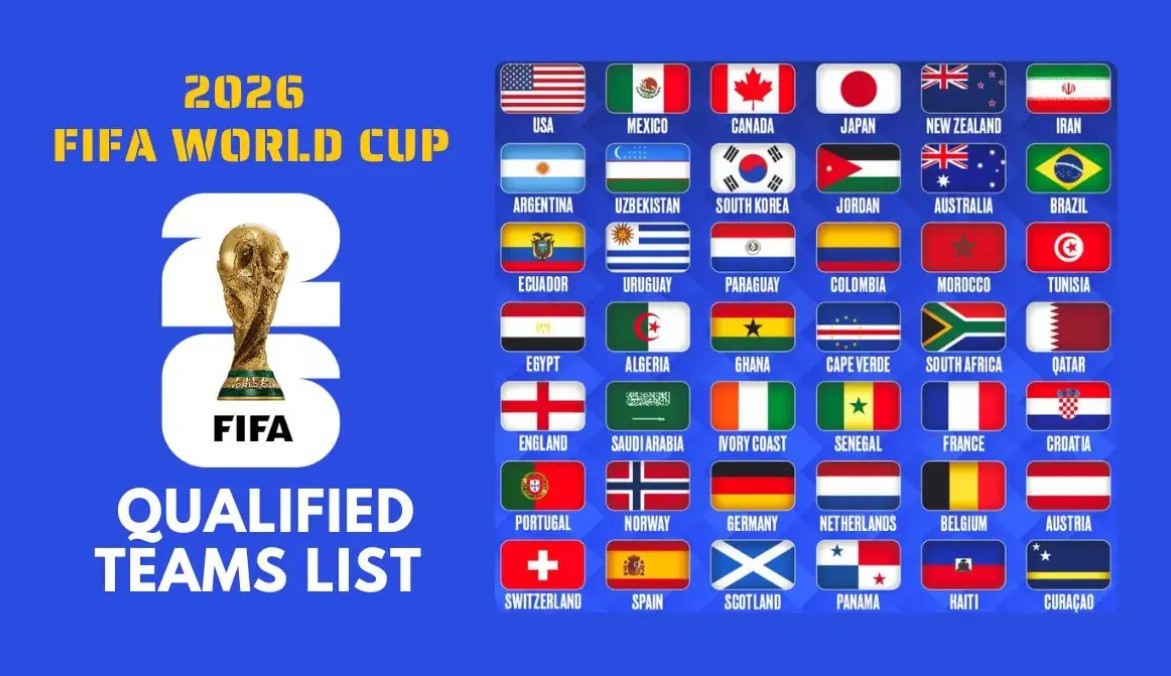
The 2026 FIFA World Cup will stretch across the United States in a way no tournament ever has, with matches played from the Atlantic coast to the Pacific, from dense global cities to quieter, football-obsessed heartlands. With 48 teams and 104 matches, it will be the largest tournament ever staged .
And if you are planning to follow it, or even just attend one match, choosing the right city matters just as much as choosing the right game.
What follows is not a checklist. It is a guide written the way a traveler would want it: what each city feels like, how much it costs, how easy it is to live there for a few days, and where the real experience lies.
Read more: Top 6 Young Stars Set to Shine at the 2026 World Cup
1. New York / New Jersey — Big, Fast, and Unmatched
 |
| New York City |
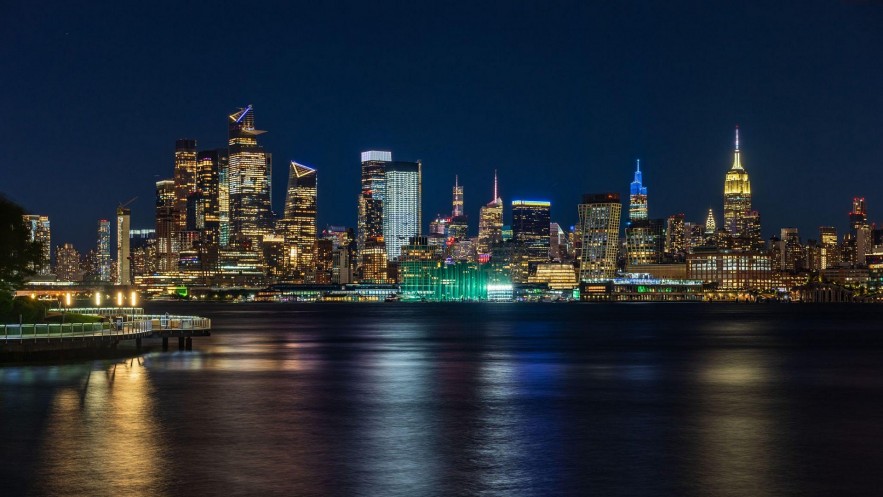
Founded in 1624, New York has grown into a metro area of nearly 20 million people and remains the financial center of the U.S. It will host the World Cup final at MetLife Stadium (82,500 seats) .
Everything here is efficient. Subways run constantly, trains connect to the stadium, and you can travel without a car. But this convenience comes at a price. It is the most expensive host city, with daily travel budgets often exceeding $220–$450 .
Food is everywhere, from cheap street vendors to high-end restaurants. Supermarkets like Trader Joe’s are easy to find but not cheap.
If you choose New York, you are not choosing comfort. You are choosing scale, energy, and the feeling that the whole world is watching football together.
2. Los Angeles — Spread Out but Worth It
 |
| SoFi Stadium |
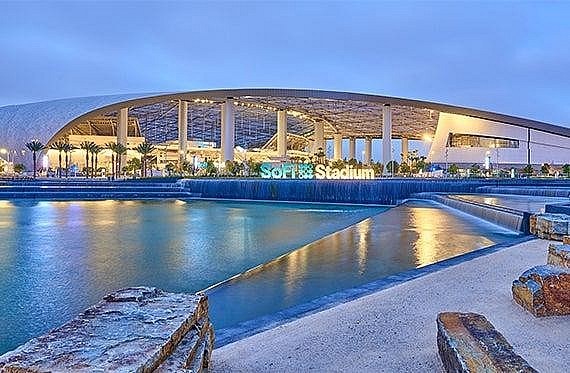
Founded in 1781, Los Angeles is home to around 13 million people in its metro area. Matches will be played at SoFi Stadium, one of the most modern venues in the world .
Life here is built around distance. Public transport exists, but most visitors rely on cars. Travel time between locations can be long.
Costs are high, with daily expenses often reaching $200–$380 . However, you can reduce costs by staying inland instead of near the beach.
The advantage is lifestyle. Beaches, sunshine, and entertainment create a relaxed World Cup experience that feels very different from other cities.
3. Dallas — Practical and Fan-Friendly
Founded in 1841, Dallas is part of a fast-growing metro area of over 7 million people. It will host matches at AT&T Stadium, the largest venue of the tournament at around 94,000 seats .
Costs are moderate, with daily budgets around $145–$250 . Hotels are more affordable, and food is plentiful, especially Texas BBQ.
The city is easy to navigate if you have a car, but public transport is limited for visitors.
Dallas is one of the most balanced choices: good stadium, reasonable prices, and a comfortable travel experience.
4. Atlanta — Easy Logistics, Less Stress
Founded in 1837, Atlanta has around 6 million people in its metro area and serves as a major transport hub.
The Mercedes-Benz Stadium (75,000 seats) is centrally located and accessible by metro .
Costs are moderate, with daily budgets around $150–$260 . Flights into Atlanta are often cheaper than other cities, making it a practical entry point.
Atlanta may not feel as iconic as New York or LA, but it works smoothly. For many fans, that matters more.
5. Miami — Expensive but Electric
 |
| Hard Rock Stadium |
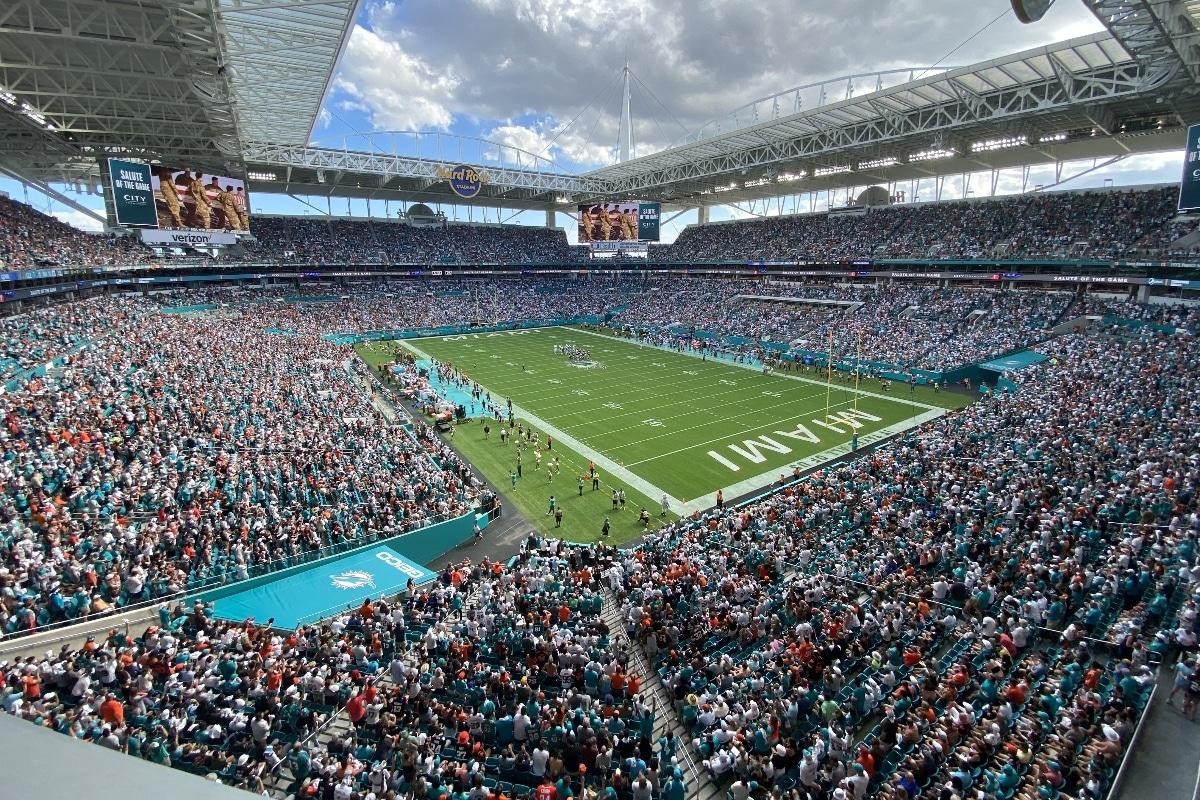
Founded in 1896, Miami is one of the most international cities in the U.S., with strong Latin influence.
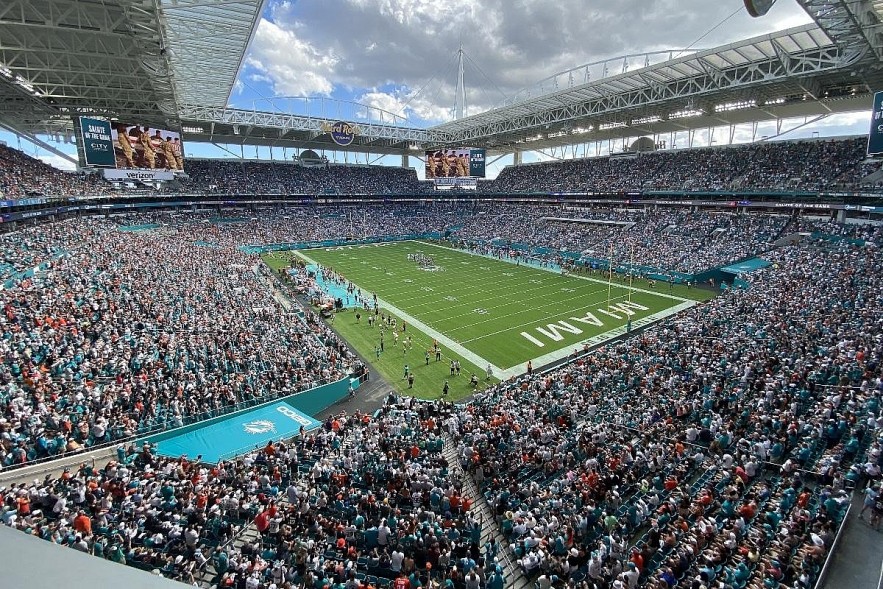
Matches will be played at Hard Rock Stadium (65,000 seats) .
It is one of the most expensive cities during the World Cup, with daily costs around $195–$360 . Demand for accommodation is rising sharply.
Transport is manageable but easier with a car. Food is diverse and often affordable outside tourist zones.
Miami is not about efficiency. It is about atmosphere, nightlife, and the feeling of football as a festival.
Read more: Top 10 Best Websites to Buy World Cup 2026 Tickets Online
6. Houston — Value and Space
Founded in 1836, Houston is a major energy hub with over 7 million people in its metro area.
It will host matches at NRG Stadium (72,000 seats) .
Costs are lower than most cities, with daily budgets around $130–$220 .
However, the city is spread out and car-dependent. Public transport is limited.
Houston is a good choice if you want to save money without sacrificing match quality.
Practical Tips Every Fan Should KnowEvery host city will organize fan zones and public viewing events, meaning you do not need a ticket to enjoy the atmosphere . A few practical realities: Alcohol age is strictly 21 Tipping (15–20%) is expected Healthcare is expensive → travel insurance is essential Book accommodation early to avoid price spikes |
Read more: How to Actually Get Cheap World Cup 2026 Tickets?
7. Kansas City — Small but Passionate
Founded in 1838, Kansas City has around 2 million people in its metro area.
Matches will take place at Arrowhead Stadium (73,000 seats) .
Costs are relatively low, with daily budgets around $135–$230 .
Transport is limited, but distances are manageable.
Kansas City is known for its strong football culture. If you want authentic fan energy, this is one of the best cities to experience it.
8. Philadelphia — Balanced and Walkable
Founded in 1682, Philadelphia is rich in history and has about 6 million people in its metro area.
The city will host matches at Lincoln Financial Field (69,000 seats) .
Costs are mid-range, around $160–$280 per day .
Public transport is reliable, and many areas are walkable. Food and supermarkets are easy to access.
Philadelphia offers a balanced experience: not too expensive, not too chaotic, and very easy to navigate.
9. San Francisco Bay Area — Stunning but Costly
The Bay Area combines multiple cities, with matches played at Levi’s Stadium (71,000 seats) .
It is one of the most expensive regions in the U.S., with daily costs around $190–$350 .
Transport options include trains and buses, but distances can be large.
The scenery and atmosphere are unique, but costs require careful planning.
Read more: How to Get Cheap World Cup 2026 Tickets by Buying Early
10. Seattle — Organized and Comfortable
Founded in 1851, Seattle has around 4 million people in its metro area.
Matches will be played at Lumen Field (69,000 seats) .
Costs are moderately high, around $175–$310 per day .
Public transport is strong, and the city is easy to navigate. The weather is cooler than most host cities.
Seattle stands out for its passionate football fans and well-organized urban environment.
11. Boston — Historic and Structured
 |
| Boston |
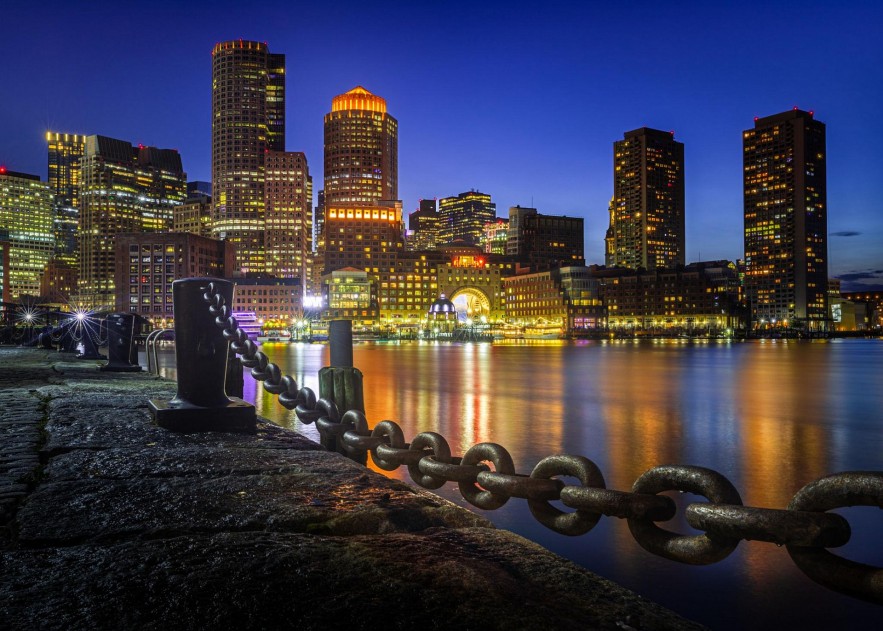
Founded in 1630, Boston is one of the oldest cities in the U.S., with about 5 million people in its metro area.
Matches will take place at Gillette Stadium (65,000 seats) .
Costs are high, around $185–$330 per day .
The city is compact, walkable, and supported by a good public transport system.
Boston feels structured and easy to understand, especially for first-time visitors to the U.S.
Final Thought — Choosing Your World Cup Experience
All 11 cities are capable. All have world-class stadiums. That part is guaranteed.
The real difference lies in how you want to experience the tournament:
- If you want intensity and global energy → New York
- If you want lifestyle and sunshine → LA or Miami
- If you want value and comfort → Dallas or Houston
- If you want atmosphere → Kansas City or Seattle
The 2026 World Cup will not feel like one event.
It will feel like eleven different stories happening at the same time.
And the best one is the one you choose to be part of.