Full List of 75 Countries Affected by U.S. Visa Suspension



 |
| US to suspend immigrant visa processing for 75 countries |
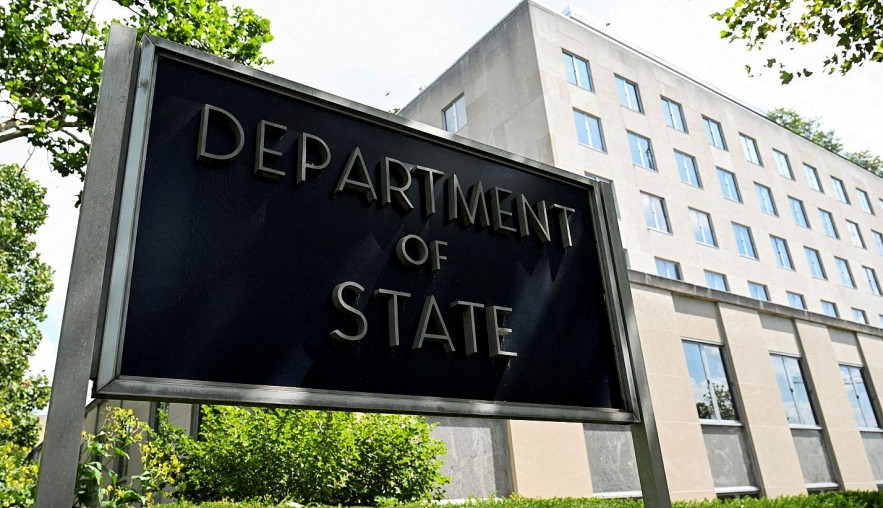
The U.S. Department of State announced it will indefinitely suspend processing of immigrant visas for citizens of 75 countries, effective January 21, 2026. The new policy reflects a sharp expansion of U.S. immigration restrictions under the current administration and aims to tighten vetting of applicants viewed as likely to depend on U.S. public assistance.
This move—one of the most far-reaching changes in recent U.S. immigration policy—is rooted in enforcement of so-called public charge rules and broader efforts to reshape legal immigration pathways. It has generated significant attention among prospective immigrants, advocacy groups, and foreign governments.
Read more:
- Full List: U.S. Widens $15,000 Visa Bond Rule to 38 Countries
- Full List of 13 Countries Facing Up to $15,000 U.S. Visa Bonds
What the Suspension Means
Immigrant visas allow individuals to enter the United States to live permanently (such as green cards). Under the new guidance:
-
Immigrant visa processing for nationals of 75 countries will be paused. U.S. embassies and consulates will stop issuing decisions beginning Jan. 21, 2026.
-
Non-immigrant visas (tourist, business, student, and other temporary visas) are not subject to the suspension and will continue, though applicants may face stricter screening related to “public charge” concerns.
-
The policy is indefinite, with no announced end date.
This suspension does not automatically revoke existing valid visas already issued, but no new immigrant visas from the affected countries will be granted until the pause is lifted.
Why the U.S. Government Took This Step
1. Public Charge Enforcement
The administration cites public charge rules—grounds under U.S. immigration law allowing denial of visas if an applicant is likely to become dependent on government benefits. The State Department says the suspension aims to prevent entry of individuals judged likely to rely on public assistance, protect U.S. public resources, and strengthen vetting procedures.
In November 2025, consular officers received updated guidance to apply stricter public charge reviews, including financial history and personal circumstances. The 2026 suspension builds on that enhanced enforcement.
2. Broader Immigration and Security Strategy
The suspension also aligns with a series of immigration policy changes, including expanded travel bans, restrictions on asylum and diversity visas, and tighter entry rules in recent months. Officials frame this as part of efforts to “protect the integrity” of the U.S. immigration system and national interests.
Full List of Affected Countries (75 Total)
While the Department of State has not publicly published the official list, multiple independent sources have confirmed the countries affected by the suspension. The list includes nations across Africa, Asia, Latin America, the Middle East, Eastern Europe, and the Caribbean.
Affected Countries:
Afghanistan • Albania • Algeria • Antigua and Barbuda • Armenia • Azerbaijan • Bahamas • Bangladesh • Barbados • Belarus • Belize • Bhutan • Bosnia and Herzegovina • Brazil • Burma (Myanmar) • Cambodia • Cameroon • Cape Verde • Colombia • Côte d’Ivoire • Cuba • Democratic Republic of the Congo • Dominica • Egypt • Eritrea • Ethiopia • Fiji • Gambia • Georgia • Ghana • Grenada • Guatemala • Guinea • Haiti • Iran • Iraq • Jamaica • Jordan • Kazakhstan • Kosovo • Kuwait • Kyrgyzstan • Laos • Lebanon • Liberia • Libya • North Macedonia • Moldova • Mongolia • Montenegro • Morocco • Nepal • Nicaragua • Nigeria • Pakistan • Republic of the Congo • Russia • Rwanda • Saint Kitts and Nevis • Saint Lucia • Saint Vincent and the Grenadines • Senegal • Sierra Leone • Somalia • South Sudan • Sudan • Syria • Tanzania • Thailand • Togo • Tunisia • Uganda • Uruguay • Uzbekistan • Yemen.
Note: Some of these countries are already subject to travel bans or other entry restrictions, meaning the practical impact varies.
Exceptions and Clarifications
Even with the suspension in place:
Dual nationals holding passports of countries not on the list may still apply for immigrant visas.
National interest exceptions may allow visas in specific cases deemed vital to U.S. interests.
Non-immigrant visas continue for most applicants (tourists, students, temporary workers).
Consular officers will apply tighter screening measures across all visa categories to assess the risk of future public charge claims. Applicants should expect thorough documentation requirements demonstrating financial stability.
Potential Impact
On Individuals and Families
-
Prospective immigrants from the affected countries will face indefinite delays or denials of U.S. immigrant visas.
-
Families separated across borders may see prolonged uncertainty.
-
Prospects for permanent residence, work authorization, and family reunification are immediately constrained.
On U.S. Relations and Global Mobility
-
The policy may strain diplomatic ties with affected countries.
-
It has triggered criticism from immigrant advocacy organizations, which argue it disproportionately impacts nations with humanitarian needs.
On Temporary Travel
-
Non-immigrant travel for students, tourists, and temporary workers continues but may face additional documentation requirements.
Practical Guidance for Applicants
If You Are Applying for an Immigrant Visa:
Confirm whether your nationality is on the affected list.
Prepare detailed financial records, affidavits of support, and evidence of self-sufficiency.
Stay in contact with the U.S. embassy or consulate handling your application.
If You Are Applying for a Non-Immigrant Visa:
Expect more rigorous interviews focusing on financial means and intent.
Ensure you demonstrate strong ties to your home country.
If You Already Have a Valid Visa:
Your existing visa typically remains valid unless otherwise revoked.
Always check official guidance before travel.
Conclusion
The U.S. suspension of immigrant visa processing for 75 countries marks a significant shift in American immigration policy, rooted in public charge enforcement and broader concerns about immigration system integrity. Effective January 21, 2026, the change will affect hundreds of thousands of aspiring immigrants and reshape legal migration from multiple global regions. As the situation evolves, applicants, advocates, and foreign governments will be watching closely for updates and clarifications from the U.S. Department of State.