What Is Subscription Car Ownership and Is It Finally Cheaper Than Buying?

 Top 10 American-Made Cars - Cheapest Model Right Now! Top 10 American-Made Cars - Cheapest Model Right Now! |
 Top 15 Cheapest Cars That Totally Make You Look Millionaire Top 15 Cheapest Cars That Totally Make You Look Millionaire |
In the early 2020s, a different model emerged, but adoption was slow. By 2025/2026, that model has matured and gained real traction. It is called subscription car ownership.
This new model appeals to drivers who want flexibility, predictable costs, fewer responsibilities, and an easier way to switch between vehicles. It also resonates with people who do not want to take on long debt in an uncertain economy.
That leads us straight to the question that matters most.
Is subscription car ownership finally cheaper than buying a car in 2025 and into 2026?
The answer is nuanced. Sometimes yes. Sometimes absolutely not. This article gives a complete breakdown so you can see where the savings appear and where they do not.
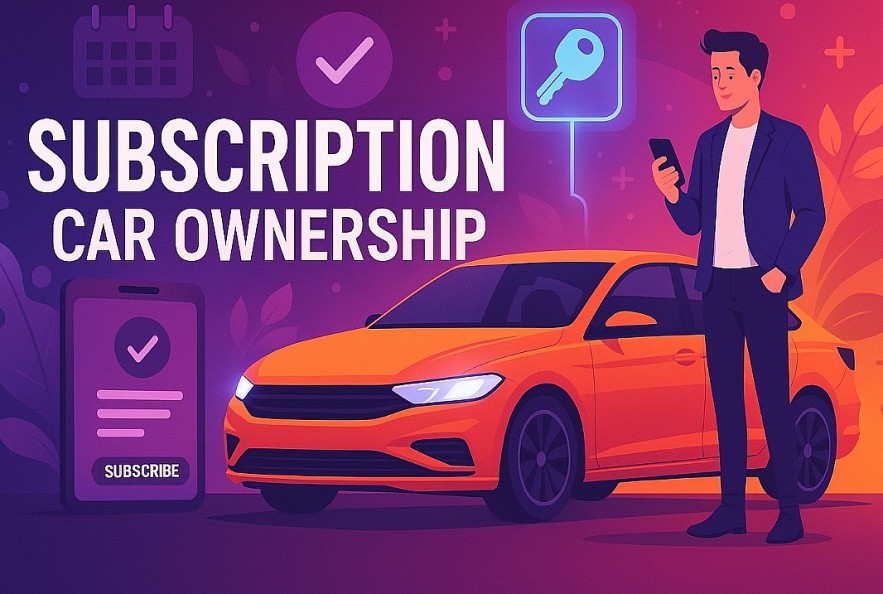 |
| Subscription Car Ownership |
What Is Subscription Car Ownership?
A car subscription gives you access to a vehicle for a flat monthly fee. In most plans, that fee includes:
-
Insurance
-
Regular maintenance
-
Registration
-
Roadside assistance
-
Depreciation risk
-
Some level of vehicle swapping
You handle fuel or charging. Everything else is bundled.
How It Works
The process is straightforward.
-
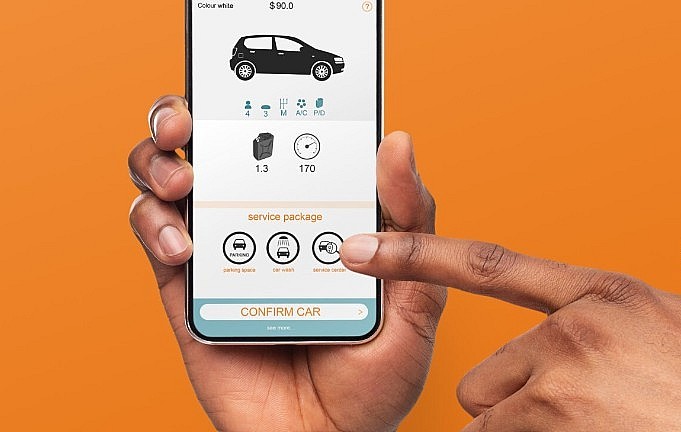
Choose a car from an online catalog.
-
Select a subscription length.
-
Submit your driver profile.
-
Get the car delivered or pick it up.
-
Return or swap it when your term ends.
Subscriptions aim to remove the stress points of ownership. No dealer negotiation. No surprise repairs. No insurance shopping. No major upfront payments.
Where Subscriptions Fit in the Market
Subscriptions sit somewhere between leasing and long term rentals. They offer more freedom than a lease and better pricing than month to month rentals. The biggest draw is the simplicity of one predictable payment.
Why Car Subscriptions Are Surging in Popularity in 2025
Drivers today want flexibility. Jobs change faster. People relocate more often. Remote work shifts commuting patterns. Many households do not want long contracts or large assets that tie up money.
Here are the biggest forces pushing subscriptions toward mainstream adoption.
Rising Cost of Car Ownership
New car prices remain historically high. Used car prices have not returned to pre pandemic levels. Insurance premiums grew sharply in 2024 and continued climbing into 2025. Repairs cost more due to the rise of electronics and shortages of parts.
Many Americans now view car ownership as financially unpredictable.
Preference for Subscription Based Living
People already subscribe to nearly everything. Music, streaming, fitness apps, clothing rentals, and meal kits. Subscribing to a car feels like a natural extension of this lifestyle.
Rapid Shifts in Car Technology
Electric vehicles, advanced driver assistance systems, and over the air software updates evolve quickly. Some consumers worry that buying a car in 2025 means owning something outdated by 2027. Subscriptions eliminate that risk because you never own the asset.
Shorter Planning Horizons
Many households plan life in one year cycles. They do not want a six year loan commitment. Subscriptions match this mindset.
 |
Types of Car Subscription Programs in the U.S.
The market has matured into several clear categories. Each brings different pricing, flexibility, and availability.
Manufacturer Based Programs
Luxury brands led the movement. Porsche, Volvo, Cadillac, and BMW created programs allowing drivers to rotate models, upgrade frequently, and enjoy premium concierge services. These subscriptions cost more but offer the most perks.
Third Party Subscription Platforms
Companies like Finn, Autonomy, and Kyte built platforms that operate similarly to car leasing but with shorter terms. They offer a wide range of brands, monthly or quarterly contracts, and home delivery. This segment is growing fastest because it is available in more cities and fits middle income households.
Dealership Subscriptions
Some dealers create local subscription programs to keep customers in the community. These often include practical vehicles such as compact SUVs, midsize sedans, and pickup trucks.
Electric Vehicle Subscriptions
EV subscriptions exploded in popularity after 2024. Many drivers want to test an electric lifestyle without buying a charger or committing to a long term loan. These plans sometimes include charging credits or discounts through partner charging networks.
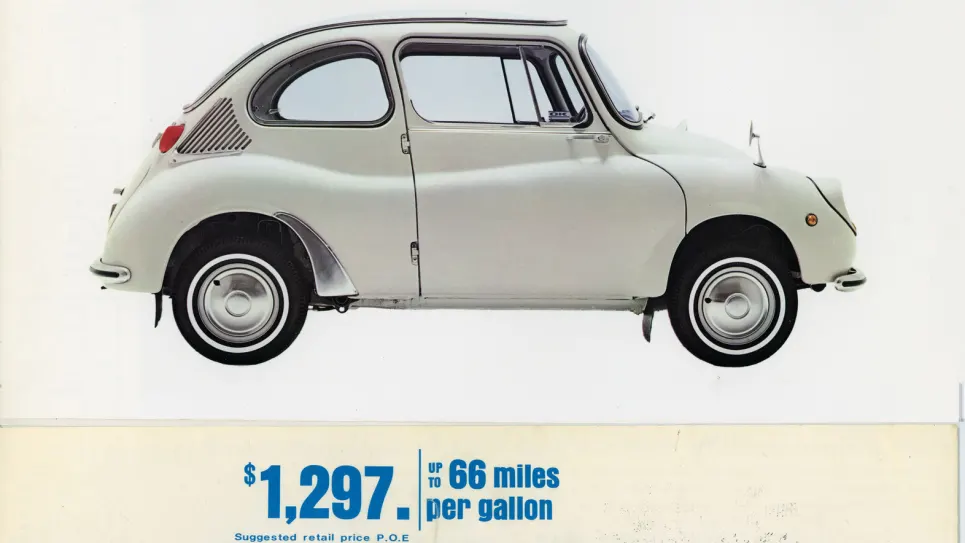 Top 10 Cheapest Cars Ever Sold In the United States Top 10 Cheapest Cars Ever Sold In the United States The cheapest car right now in the U.S is the Chervy Spark, but in the past, there was even cheaper models that were sold, and ... |
What You Actually Pay For in a Subscription
A subscription simplifies your costs into a single payment. To understand its value, you need a clear picture of what you avoid paying.
A normal subscription covers:
-
Insurance
-
Maintenance
-
Tire replacements
-
Roadside assistance
-
Registration
-
Vehicle depreciation
-
Customer support
-
Optional upgrades or swaps
Your only extra cost is energy.
This structure is especially valuable for drivers who deal with high insurance rates, recurring repairs, or expensive maintenance.
The Total Cost of Buying a Car in 2025
To compare subscription and ownership, you need the true cost of buying. That means more than a monthly loan payment.
Loan Costs
Interest rates remain high. Financing a 30,000 dollar car often results in payments between 550 and 620 dollars a month for average borrowers.
Insurance Costs
Insurance rates spiked across the United States. Many households now spend between 130 and 200 dollars a month. Urban drivers and young drivers face even higher premiums.
Maintenance and Repairs
Newer cars require less maintenance at first, but modern electronics increase repair costs. Hybrid and electric repairs are also more expensive when out of warranty.
Registration and Taxes
These vary by state but add anywhere from 250 to 700 dollars annually.
Depreciation
The moment a car is purchased, it loses value. Over five years, many vehicles lose 40 to 60 percent of their original price.
 |
| It was the year 2020 when at least five automobile manufacturers like Audi, BMW, Cadillac, Porshe, and Tesla were rolling out a subscription model for certain features of their high-end cars |
Cost Comparison: Subscribing vs Buying in 2025
Below is a realistic comparison.
Scenario A: Buying a Car
-
580 monthly loan payment
-
160 insurance
-
80 to 120 maintenance averaged monthly
-
20 to 30 registration allocation
-
Total estimated cost: 840 to 890 a month
Scenario B: Subscription Car
-
650 to 900 subscription fee
-
Insurance included
-
Maintenance included
-
Registration included
-
Depreciation avoided
-
Total cost: exactly the subscription price
Is it cheaper?
A subscription can be cheaper for drivers with high insurance, unpredictable maintenance, short stays in a city, or interest rate challenges. Buying is cheaper when you plan to keep the car long term and have strong credit.
 Top 10+ of the World's Most Expensive SuperCars for Richest People Top 10+ of the World's Most Expensive SuperCars for Richest People Even though supercars are still considered a luxury pastime, the list of the top ten most costly supercars worldwide that KnowInsiders.com sent to readers for ... |
Who Benefits Most From Car Subscriptions
Drivers With High Insurance Costs
Subscriptions can save hundreds each month for young drivers or those in high risk areas.
Short Term Residents
Contract workers, students, traveling nurses, and temporary employees find subscriptions cost effective compared to renting or leasing.
EV Curious Drivers
Subscriptions allow a risk free trial of electric vehicles.
People Who Prefer Convenience Over Ownership
This includes retirees, busy families, and professionals who value time.
Drivers Who Want Frequent Vehicle Changes
Some programs let you swap between an SUV for winter, a compact for commuting, or an EV for weekends.
When Buying Still Makes the Most Financial Sense
Buying wins in several scenarios.
Long Term Use
If you keep cars for seven to ten years, ownership is far cheaper.
Low Mileage and Careful Maintenance
Drivers who maintain their vehicles well get excellent total cost of ownership.
Strong Credit Scores
A low interest loan can make ownership dramatically cheaper.
Desire for Stability and Control
Some people want long term reliability and a permanent vehicle.
Hidden Advantages of Car Subscriptions
No Down Payment
Many Americans struggle with upfront cash. Subscriptions remove that barrier.
Predictable Budgeting
No surprise repair bills or insurance spikes.
No Resale Stress
You never sell the car and never worry about its future value.
Lifestyle Flexibility
Ideal for people whose needs change often.
Limitations and Downsides of Subscriptions
Limited Availability
Rural areas may not have access.
Narrow Vehicle Choices
Inventory depends on the provider.
Mileage Limits
Common caps range from 1000 to 1500 miles a month.
Swap Fees
Not all programs include unlimited swaps.
Higher Price for Premium Models
Luxury vehicles can become expensive under subscription plans.
2026 Forecast: What Will Car Subscriptions Look Like?
Analysts expect major changes in 2026 as the auto market stabilizes and electric adoption continues.
1. Prices Will Become More Competitive
More providers will enter the market, which should reduce monthly subscription costs by 5 to 12 percent.
2. EV Subscriptions Will Dominate
By 2026, nearly half of all subscription offerings may be fully electric. Drivers want more EV experience, and providers like Tesla and Rivian may join through partnerships.
3. Insurance Costs May Push More People Toward Subscriptions
Insurance premiums are unlikely to drop quickly. This benefits subscription providers because insurance is included.
4. More Customizable Plans
Drivers will likely choose between tiers such as drive only, drive plus swaps, or premium concierge.
5. Bundled Charging Plans for EVs
Providers may include home charger rentals, discounted charging credits, or partnerships with major charging networks.
6. Used Vehicle Subscriptions Will Grow
To reduce monthly fees, providers may subscribe vehicles between one and three years old. This mirrors the certified pre owned model and brings prices down.
7. Corporate and Fleet Subscriptions Will Expand
Businesses may adopt subscription fleets to avoid asset depreciation and simplify employee car assignments.
Overall, 2026 will likely be the year subscriptions shift from an alternative to a mainstream option.
How to Decide Between Subscribing and Buying
Use this checklist.
Choose a subscription if you:
-
Need flexibility
-
Want predictable monthly costs
-
Have high insurance expenses
-
Want to try an EV
-
Move frequently
-
Prefer convenience
Choose buying if you:
-
Plan to keep a car long term
-
Drive more than 1500 miles a month
-
Have access to low interest financing
-
Prefer full ownership
-
Value long term cost savings
 10 Most Famous Cars in Movies of All Time 10 Most Famous Cars in Movies of All Time Some cars are instantly recognizable to all moviegoers; from wild Aston Martins to mean black Dodge Chargers, these classic cars continue to captivate enthusiasts of ... |
FAQs About Subscription Car Ownership
1. Do subscriptions require a credit check?
Yes. Providers run a soft or hard credit inquiry. Requirements are usually lower than traditional auto loans.
2. Can I take a subscription car on long road trips?
Yes, but watch mileage limits. Extra miles cost more.
3. Are subscription cars new or used?
Both. Many fleets use new cars. Others use lightly used vehicles to reduce costs.
4. Can I subscribe to an electric vehicle?
Absolutely. EV subscriptions are growing fast and often include charging benefits.
5. Do subscription programs allow multiple drivers?
Some do. Others limit the contract to one or two approved drivers. Always check program rules.
6. Can I upgrade or downgrade cars anytime?
It depends on the plan. Some offer free swaps. Others charge a fee or limit the number of swaps per year.
7. What happens if the car is damaged?
Insurance covers most issues, but you may pay a deductible. Terms vary by provider.
8. Is there a cancellation fee?
Some programs allow month to month cancellation. Longer plans may require a fee if canceled early.
9. Do I build equity with a subscription?
No. Subscriptions work like renting. You pay for access, not ownership.
10. Are subscriptions available nationwide?
Mostly in major cities. Expansion is expected in 2026, especially in EV heavy markets.
Conclusion
Subscription car ownership has grown from a small experiment to a genuine choice for American drivers. In 2025 and into 2026, the model provides a practical alternative for people who want flexibility, predictable costs, and a stress free driving experience. It is not always cheaper than buying, but it can be cost effective for the right type of driver.
If you value simplicity and freedom, subscriptions are worth exploring. If you want long term savings, buying still wins. The best part is that drivers now have more options than ever before. The future of car ownership will not be one size fits all. It will be shaped by lifestyle, preference, and personal economics, and subscriptions are becoming a significant part of that landscape.