Trusted Weather Forecast Sources Americans Can Rely On During a Major Winter Storm

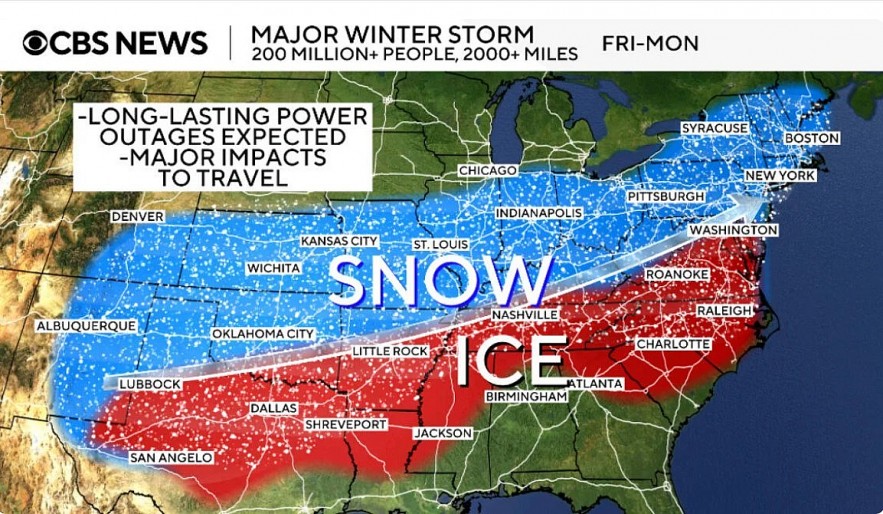 |
| CBS: Maps show where winter storm threatens to bring heavy snow, ice, brutal cold this weekend |
As a powerful winter storm brings widespread snow, ice, and dangerous cold across much of the United States, accurate and timely weather information can make a real difference. Travel decisions, power outage preparation, school closures, and personal safety all depend on knowing what is actually expected, not rumors or exaggerated posts online.
Meteorologists and emergency officials consistently urge the public to rely on official, well-established forecasting sources that update frequently and base their guidance on the latest data. Here are the most trusted weather forecast sources Americans should follow during a major winter storm.
National Weather Service: The Official Authority
The most reliable source for U.S. weather information is the National Weather Service (NWS).
The NWS provides:
-
Official Winter Storm Watches and Warnings
-
Snow and ice accumulation forecasts
-
Timing and impact-based guidance
-
Clear, standardized language used by emergency managers
Its local forecast offices tailor updates to specific regions, making it the first place Americans should check during severe winter weather.
Website: https://www.weather.gov
Read more:
- US Winter Storm This Weekend (Update): Snow, Ice, and Power Outages Intensify Across the U.S.
- New York Faces Major Winter Storm: When Snow Will Hit, How Much to Expect, and What It Means for the City
Weather.com (The Weather Channel)
Weather.com is one of the most widely used weather platforms in the country and is especially useful for day-to-day planning.
It offers:
-
Hour-by-hour forecasts
-
Interactive radar and satellite imagery
-
Snowfall accumulation maps
-
Airport delay and travel-impact tools
While Weather.com uses its own meteorologists, it closely follows National Weather Service guidance and updates frequently during major storms.
Website: https://www.weather.com
AccuWeather
AccuWeather is known for detailed forecasts and long-range outlooks, which can help households and businesses plan ahead.
Key features include:
-
Neighborhood-level snow and ice forecasts
-
Storm timing breakdowns
-
RealFeel® temperature estimates
-
Winter weather risk alerts
AccuWeather is especially useful for understanding how conditions may feel on the ground, including wind chills and extreme cold.
Website: https://www.accuweather.com
Local TV Station Weather Teams
During winter storms, local meteorologists often provide the most practical guidance for communities.
Trusted local stations typically:
-
Translate forecasts into clear, local impacts
-
Explain how storms affect specific roads and neighborhoods
-
Provide live coverage as conditions change
Examples include regional affiliates of major networks such as NBC, CBS, ABC, and FOX. These stations work closely with National Weather Service offices and emergency agencies.
State and Local Emergency Management Agencies
Emergency management offices provide impact-focused information, not just forecasts.
Agencies such as state emergency management departments and city offices issue:
-
Travel advisories
-
School and government closure notices
-
Warming center locations
-
Power outage and safety updates
These alerts are especially important during prolonged storms with ice and extreme cold.
How to Use Weather Information Wisely
Experts recommend:
-
Checking multiple trusted sources, starting with the National Weather Service
-
Looking for consistent messaging, not single extreme predictions
-
Avoiding unofficial social media posts that lack sourcing
-
Paying attention to timing and impacts, not just snowfall totals
Winter storms can evolve quickly, and forecasts may change as new data becomes available.
The Bottom Line
During a major winter storm, reliable information is essential. By following official government forecasts, established national weatherproviders, and trusted local meteorologists, Americans can make safer decisions for themselves and their families.
Staying informed, prepared, and cautious remains the best defense against the dangers posed by widespread snow, ice, and extreme cold.