The $4 Gap: Why U.S. Gas Prices Haven't Followed Oil’s Record Plunge

 |
| U.S. Gas Prices Haven't Followed Oil’s Record Plunge |
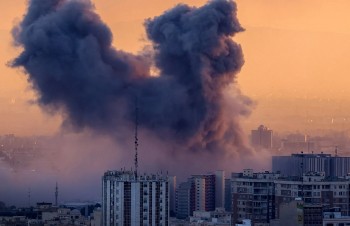
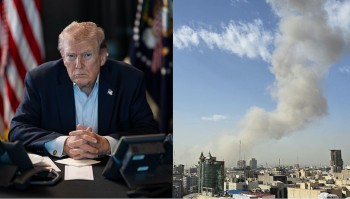
Following yesterday’s bombshell announcement of a conditional two-week ceasefire between the U.S. and Iran, crude oil prices did something they haven’t done in years: they fell off a cliff.
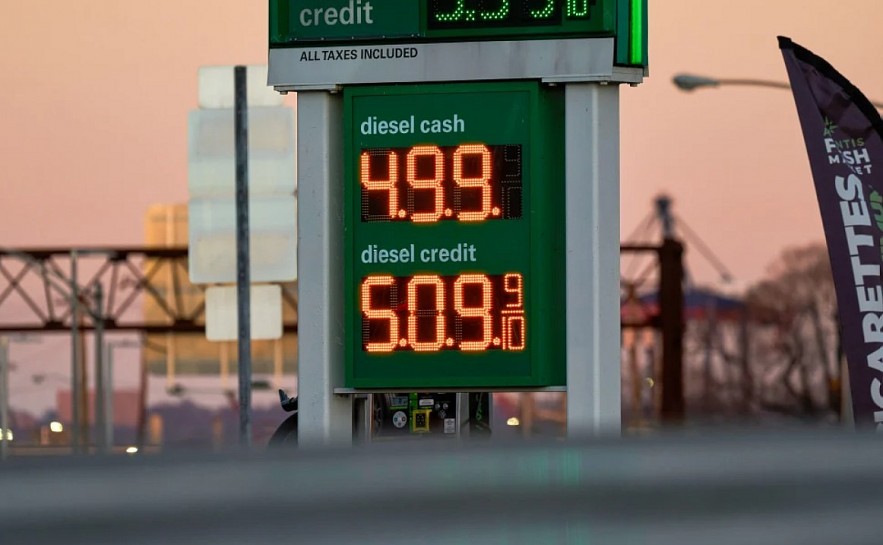
By the closing bell on April 8, WTI Crude and Brent benchmarks had plummeted by 15% and 13% respectively, with Brent settling near the $94 mark. The catalyst? Hopes that the Strait of Hormuz—the world’s most critical oil chokepoint—will finally reopen to regular traffic. Yet, as of Thursday morning, the U.S. national average for regular gasoline remains stubbornly parked at $4.16 a gallon.
This disconnect has left many asking: If oil is getting cheaper, why is my commute still so expensive?
Read more: 5 Smart Ways to Save Fuel as Gas Prices Keep Climbing
The "Rockets and Feathers" Reality
Economists often describe fuel pricing through the "Rockets and Feathers" theory. When crude prices spike, gas prices shot up like a rocket. When crude drops, gas prices drift down like a feather.
The current $4.16 average is a four-year high, a stinging reminder of the 2022 energy crisis. The lag isn't just corporate greed; it’s logistics. The gasoline being pumped into cars today was refined from crude bought weeks ago at peak conflict prices. Until that expensive inventory clears the system, retailers are hesitant to slash prices and risk a "replacement cost" deficit.
California: The $9 Outlier
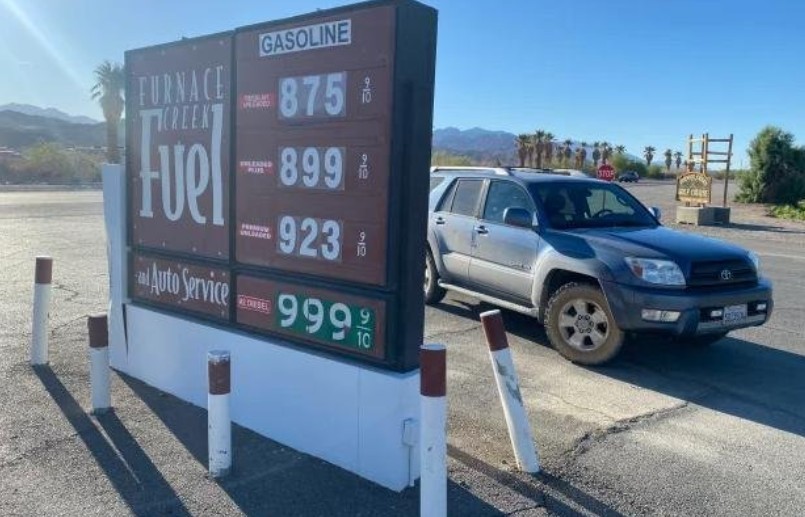
While the national average is a tough pill to swallow, the West Coast is facing a different reality. In California, the average has hit a staggering $5.93. In certain high-traffic pockets of Los Angeles and the Bay Area, "sticker shock" has taken on a new meaning, with premium fuel touching $9.00 a gallon.
California’s unique blend of high environmental taxes, isolated refining capacity, and reliance on specific imports makes it hypersensitive to global shocks. Even with the ceasefire news, the West Coast is unlikely to see relief until the supply chain through the Pacific matures and local refinery maintenance cycles conclude.
The Hormuz Factor: A Fragile Peace
The 20% of global oil that flows through the Strait of Hormuz doesn't just reappear overnight. While the U.S. Energy Information Administration (EIA) has noted a slight 3.5% dip in natural gas futures, the physical movement of tankers remains a logistical nightmare. Insurers are still wary, and shipping lanes are congested.
"A ceasefire is a piece of paper; a flowing pipeline is a reality," says one industry analyst. "We are seeing the market price in 'hope' for oil, but gas stations are still pricing in 'risk'."
What to Expect in May
If the ceasefire holds and the Strait reopens without incident, the EIA predicts a slow cooling of the market. However, the short-term outlook remains grim for the American wallet. The agency still expects April’s monthly average to peak at $4.30 before we see a meaningful downward trend.
For now, the "Golden State" and the rest of the nation remain in a holding pattern. The geopolitical fever has broken, but the financial recovery for the American driver is only just beginning.