Suzanna Frozen Chicken Recalled for Listeria Risk: Affected Products, States, and Safety Advice


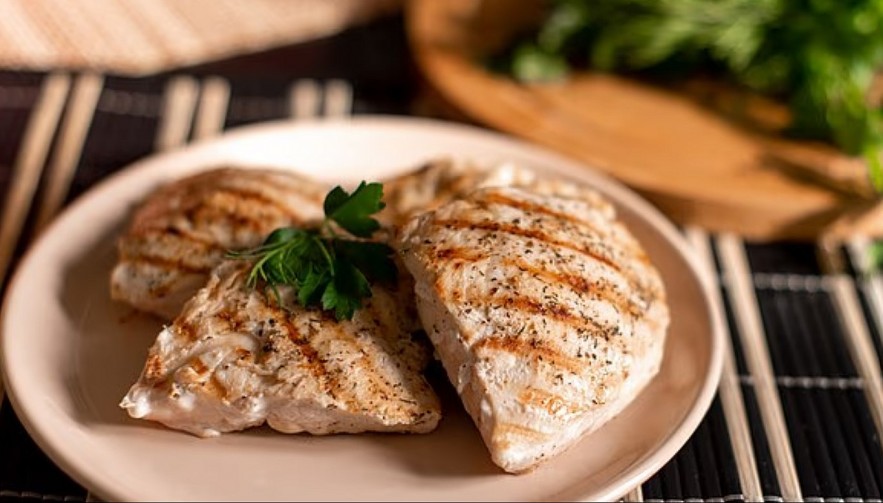 |
| Approximately 13,720 pounds of grilled chicken breast fillets have been recalled by Suzanna's Kitchen |
Thousands of pounds of fully cooked frozen chicken breast have been voluntarily recalled in the United States after routine testing detected possible contamination with Listeria monocytogenes, a dangerous foodborne bacterium. While no illnesses have been reported so far, federal food safety officials say the recall highlights ongoing risks linked to ready-to-eat foods and the importance of rapid action when contamination is identified.
The recall, announced on January 16, 2026, affects products manufactured by Suzanna’s Kitchen, a Georgia-based food processor, and is being overseen by the USDA Food Safety and Inspection Service (FSIS).
What Prompted the Recall
According to FSIS, the issue was discovered during routine food safety monitoring. A third-party laboratory test returned a positive result for Listeria monocytogenes in a sample of fully cooked, ready-to-eat frozen chicken breast fillets. Because the product is meant to be consumed without additional cooking, even a small risk of contamination is considered serious.
FSIS and Suzanna’s Kitchen coordinated a voluntary recall to prevent the product from being served or consumed. At the time of the announcement, no confirmed illnesses had been linked to the recalled chicken, but officials stressed that the absence of reported cases does not eliminate risk.
Products Involved
The recall covers approximately 13,720 pounds of frozen chicken products with the following characteristics:
-
Fully cooked, ready-to-eat grilled chicken breast fillets with rib meat
-
Packaged in 10-pound cases, containing two 5-pound bags
-
Lot Code: 60104 P1382 287 5 J14
-
Establishment Number: P-1382, printed inside the USDA mark of inspection
-
Production date: October 14, 2025
Where were the recalled frozen chicken breasts sold?
The recalled frozen chicken breast fillets were distributed in Alabama, Florida, Georgia, Missouri, New Hampshire, North Carolina and Ohio, according to the FSIS.
Why Listeria Is a Serious Concern
Listeria monocytogenes is particularly dangerous because it can survive — and even grow — at refrigeration and freezing temperatures. That means contaminated frozen or refrigerated food may appear normal, with no unusual smell or taste, while still posing a health risk.
Listeria infection, known as listeriosis, can cause symptoms such as fever, muscle aches, nausea, diarrhea, headache, stiff neck, confusion, and loss of balance. In severe cases, it can lead to bloodstream infections or neurological complications.
Health experts warn that symptoms may appear days or even weeks after exposure, sometimes up to 70 days later, making it harder to trace infections back to a specific food.
Certain groups face a much higher risk of severe outcomes, including pregnant people, adults over 65, young children, and individuals with weakened immune systems. In pregnancy, listeriosis can result in miscarriage, stillbirth, or serious illness in newborns.
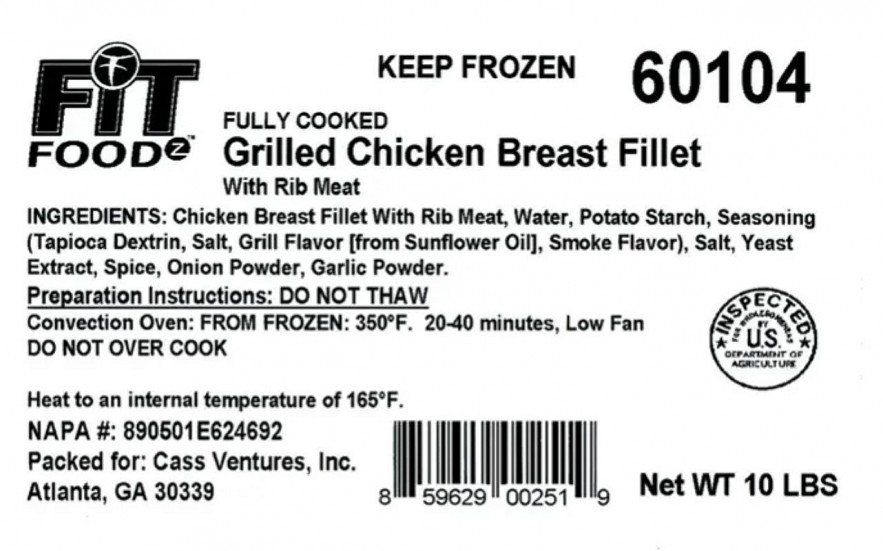 |
| The U.S. Department of Agriculture’s Food Safety and Inspection Service announced the recall of 13,720 pounds of ready-to-eat grilled chicken breast fillets for potential listeria contamination |
Distribution and Consumer Impact
Because the recalled chicken was sold to food service operators rather than directly to grocery stores, most U.S. consumers are unlikely to have this product in their home freezers. However, it may have been served in restaurants, cafeterias, hospitals, schools, or other institutional settings supplied by the affected distributors.
FSIS says the recall is precautionary but necessary, given the nature of the product and the potential severity of listeriosis.
What Food Service Operators Should Do
FSIS urges restaurants, institutions, and other food service operations to take immediate action:
-
Check inventory for matching lot codes and establishment numbers
-
Remove affected products from use immediately
-
Properly dispose of or return the recalled items
-
Clean and sanitize freezers, preparation areas, utensils, and equipment that may have come into contact with the product
Operators should not serve the recalled chicken under any circumstances.
Consumer Advice
Consumers who believe they may have eaten the recalled chicken — particularly those in higher-risk groups — should monitor their health closely. Anyone experiencing symptoms consistent with listeriosis should seek medical attention and inform their healthcare provider about possible exposure.
Food safety officials also recommend staying informed through official recall notices and alerts from FSIS and other federal agencies.
FAQs
Is this recall affecting grocery store chicken?
No. The recalled products were distributed to food service locations, not retail grocery stores.
Have any illnesses been reported?
As of the recall announcement, no illnesses had been confirmed.
Can cooking kill Listeria?
Yes, thorough cooking can kill Listeria, but this product was labeled ready-to-eat, meaning it could be consumed without further cooking — increasing the risk.
How common is listeriosis in the U.S.?
Listeriosis is relatively rare compared to other foodborne illnesses, but it has one of the highest hospitalization and death rates, according to public health data.
Where can consumers find recall updates?
Updates are available on the FSIS website and through federal food safety alert systems.
The Bigger Picture
This recall underscores the importance of routine testing, rapid reporting, and coordinated action between food producers and regulators. While recalls can be disruptive, food safety experts say they are a critical tool for preventing serious illness before outbreaks occur.
For consumers and food service operators alike, staying informed and responding quickly to recall notices remains one of the most effective ways to reduce foodborne illness risk.