Snow Days vs. Remote Learning: How School Closures Work Across Different U.S. States


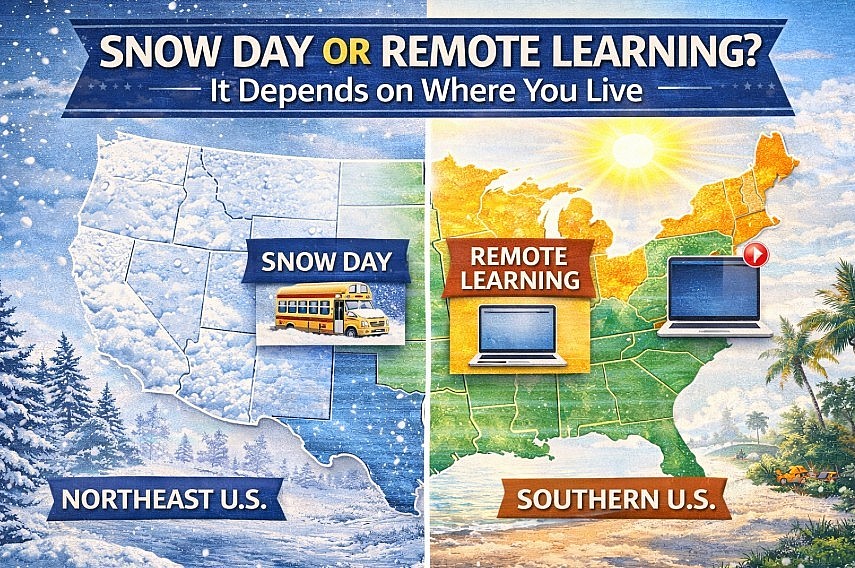 |
| Snow Day or Remote Learning? It Depends on Where You Live |
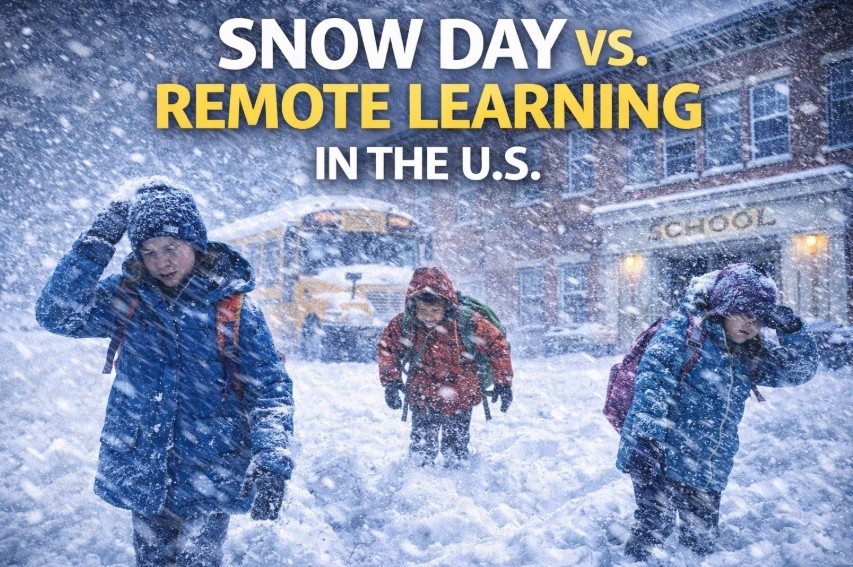
For generations, a snow day meant one thing: no school.
But in 2026, that tradition looks very different depending on where you live.
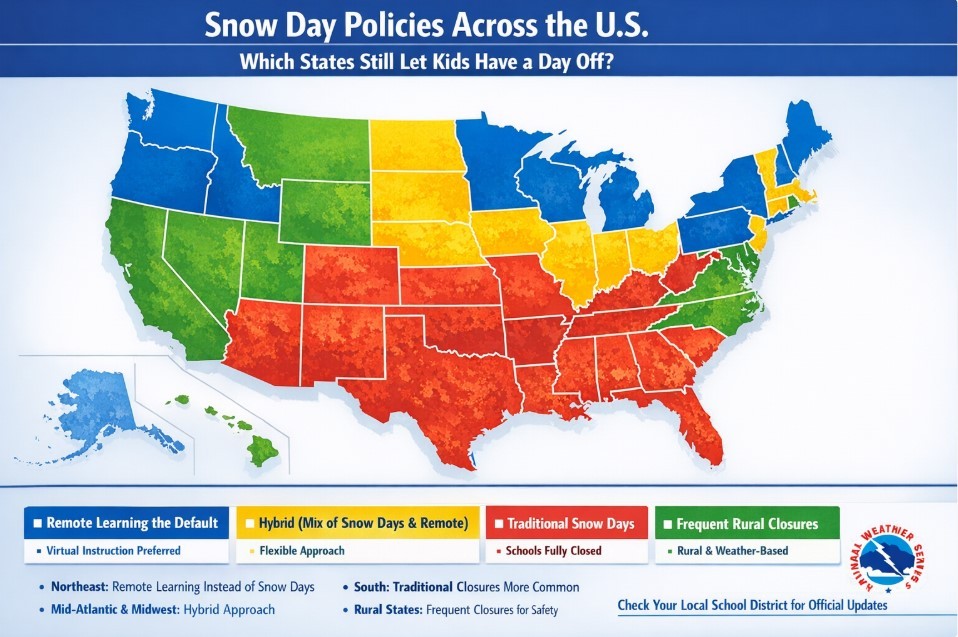
Across the United States, school closures caused by snow, ice, hurricanes, wildfires, or extreme heat are now handled in very different ways. Some states still rely on traditional snow days. Others switch instantly to remote learning. Many use a hybrid approach.
Understanding these differences helps families plan ahead—and avoid surprises when weather hits.
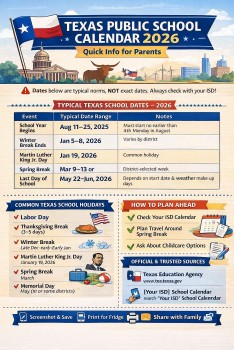
Read more: Spring Break 2026: When Do U.S. Schools Take a Break — and Why It’s Rarely the Same Week
Why School Closures Work Differently by State
There is no national rule that dictates how schools must respond to bad weather. While the U.S. Department of Education provides guidance on instructional time, closure decisions are made at the state and district levels.
Key factors include:
-
Climate and regional weather risks
-
State instructional time requirements
-
Access to student technology
-
Lessons learned during the COVID-19 pandemic
As a result, the phrase “snow day” means very different things across the country.
How Different Regions Handle Snow Days and Closures
Northeast & Upper Midwest
(Pennsylvania, New York, Illinois, Michigan)
-
Snow days still exist
-
Districts often build makeup days into the calendar
-
Remote learning may be used occasionally but is not always automatic
In these regions, winter weather is expected. Many districts still prefer traditional closures, especially for younger students.
Southern States
(Texas, Florida, Georgia)
-
Snow days are rare
-
Remote learning is more common for weather emergencies
-
Closures are more often caused by hurricanes, flooding, or severe storms
Districts here are more likely to shift to virtual instruction rather than cancel school outright.
Western States
(California, Oregon, Washington)
-
Closures are often tied to wildfires, smoke, extreme heat, or power outages
-
Remote learning is frequently used when conditions allow
-
Some districts still cancel school when infrastructure is affected
These states rely heavily on flexibility, especially during fire season.
Do Snow Days Still Count as School Days?
This depends entirely on the state and district.
-
Traditional snow day: Usually requires a makeup day later
-
Remote learning day: Often counts as a full instructional day
-
Hybrid approach: Districts may allow a limited number of remote days before requiring makeup time
Many states updated their policies after 2020, but rules still vary widely.
What Parents Need to Know in 2026
Remote Learning Isn’t Guaranteed
Even if your district used remote learning in the past, it may not always do so. Technology access, power outages, and internet reliability all matter.
Younger Students Are Handled Differently
Elementary schools are more likely to cancel classes outright than switch to remote learning, especially during severe weather.
Weather Can Extend the School Year
In snow-prone states, multiple closures may push the last day of school into late June.
How Families Can Prepare for Weather-Related Closures
-
Read your district’s weather closure policy at the start of the year
-
Have a backup childcare plan, even if remote learning is an option
-
Expect short-notice decisions, often announced early morning
-
Check multiple communication channels (email, text, district apps)
The Bottom Line
Snow days are not gone—but they are no longer universal. In 2026, school closures depend heavily on geography, infrastructure, and local policy.
Some students will still celebrate a classic snow day. Others will log in from home. Knowing which system your district uses is the key to avoiding confusion when weather strikes.