How to Find Free Food Near You in NYC: Official Maps, 311 Help, and What to Know




 |
| Free Food in NYC |
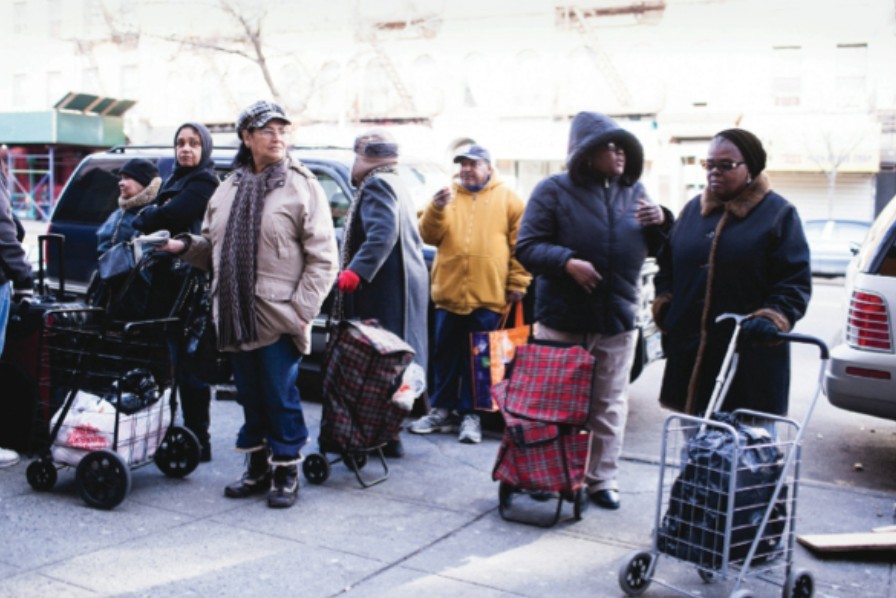
In New York City, no one has to go hungry—but knowing where and how to find free food near you can make all the difference. Whether you’re facing a short-term emergency, living on a tight budget, or helping someone in need, NYC offers one of the most comprehensive food-assistance networks in the United States.
Read more: How Americans Can Still Access Free Food as Food Bank Funding Crumbles
Start With the Official NYC Food Maps (Fastest Method)
The most effective way to find free food near you is by using the city’s official mapping tools, available through ACCESS NYC and Food Bank–supported databases.
Website: https://access.nyc.gov/
These interactive maps allow you to:
-
Search by ZIP code or neighborhood
-
Filter by food pantry, soup kitchen, mobile distribution, or community fridge
-
See addresses, hours of operation, and eligibility notes
-
Identify sites that offer hot meals vs. groceries to take home
Because these maps are updated frequently, they are far more reliable than social media posts or word of mouth. Many locations also note whether they serve walk-ins or require advance registration.
Best practice: Save or bookmark the map on your phone so you can access it quickly when you need it.
Call 311 NYC for Personalized Help (No Internet Needed)
If you don’t have reliable internet access—or you simply want human guidance—calling NYC311 is one of the most overlooked but powerful options.
When you call 311, simply say:
“Free food pantry or soup kitchen near me.”
A trained operator can:
-
Locate the closest open food site based on your current location
-
Confirm hours, language support, and accessibility
-
Tell you whether the site serves hot meals or groceries
-
Suggest alternatives if a location is full or temporarily closed
This service is free, available citywide, and supports multiple languages.
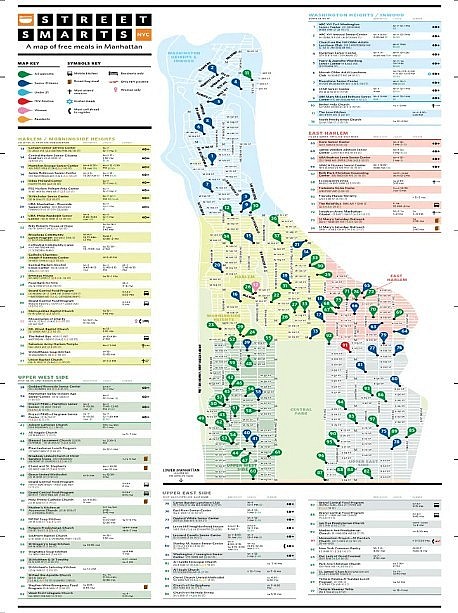 |
| Map for Free Food in NYC |
Types of Free Food LocationsKnowing the difference between food programs helps you choose the right option: Food Pantries Provide groceries (fresh produce, canned goods, staples) to take home. Ideal for families or anyone with access to a kitchen. Soup Kitchens Serve prepared hot meals on-site, often daily. No cooking required. Mobile Food Stops Pop-up distribution sites that operate on specific days and times, often in underserved neighborhoods. Community Fridges Public refrigerators available 24/7 where anyone can take food anonymously—no questions asked. Most official maps allow you to filter by these categories. |
What to Know Before You Go
Before visiting a free food location, keep these essential points in mind:
-
Always confirm hours first.
Many sites change schedules weekly or close on holidays. -
Some locations require sign-up or ticket numbers.
This is common at high-demand pantries—arriving early helps. -
Documentation is usually NOT required.
Most NYC food programs do not ask for proof of income, immigration status, or ID. -
Bring your own bags or cart if possible.
Especially at food pantries where groceries are distributed. -
Be respectful of staff and volunteers.
Many sites are run by nonprofits and faith-based groups with limited resources.
If You’re Helping Someone Else
If you’re assisting a neighbor, senior, or unhoused person:
-
Call 311 on their behalf
-
Look for locations labeled “walk-in friendly”
-
Ask operators about senior-only or disability-accessible sites
-
Community fridges are often the easiest, no-barrier option
Why NYC’s System Works
New York City’s food-assistance network is built on coordination between city agencies, nonprofits, and volunteers. By centralizing information through official maps and 311, NYC ensures help is easy to find, fast to access, and available without stigma.
Final Takeaway
If you remember just two things:
-
Use the official NYC food maps to search by ZIP code
-
Call 311 and ask for free food near you
Those two steps can connect you—or someone you care about—to immediate help, often within minutes.
No one should struggle to find their next meal in New York City—and with the right tools, you don’t have to.