Student Homelessness in America Is Exploding: The Education Crisis Hiding in Plain Sight

 Can America Ever Solve Homelessness? A Look at the Only Cities That Are Actually Reducing It Can America Ever Solve Homelessness? A Look at the Only Cities That Are Actually Reducing It |
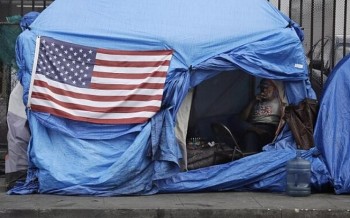 The Hidden Homeless: Why Millions of Americans Are One Paycheck Away From Losing Everything The Hidden Homeless: Why Millions of Americans Are One Paycheck Away From Losing Everything |
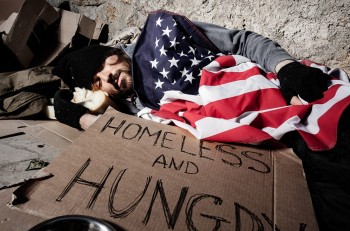
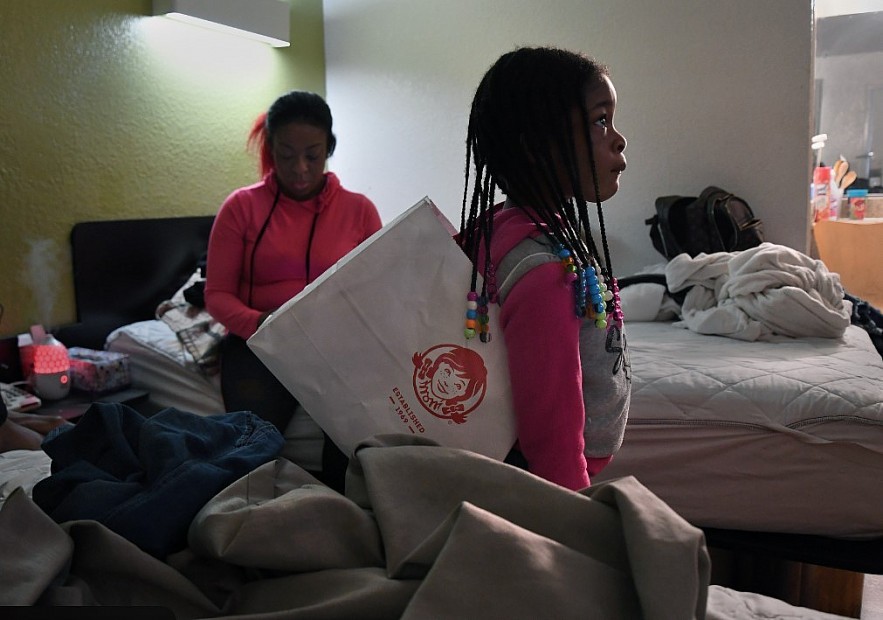
In classrooms across the United States, a growing number of students arrive each morning carrying more than backpacks and textbooks. They carry the weight of housing instability. Student homelessness has surged to its highest level in decades, driven by rising housing costs, economic volatility, and long-standing systemic gaps. While often invisible, this crisis is reshaping American education in profound ways.
 |
| U.S. Student Homelessness Skyrockets |
The Scope of the Crisis at a Glance
Key National Statistics
| Indicator (Latest Available) | Data |
|---|---|
| Homeless public school students | ~1.37 million |
| Year-over-year increase | +14% |
| Percentage of total students | ~2.4% |
| Most common situation | Doubled-up housing |
| Fastest-growing subgroup | High school students |
Why this matters:
These numbers reflect only identified students. Education experts agree the real figure is likely significantly higher due to underreporting.
What “Student Homelessness” Really Looks Like
Contrary to popular belief, most homeless students are not living on the streets.
Where Homeless Students Sleep at Night
| Living Situation | Approx. Share |
|---|---|
| Doubled-up with relatives/friends | ~70% |
| Shelters or transitional housing | ~20% |
| Motels, cars, or unsheltered | ~10% |
This form of instability, often called hidden homelessness, makes detection difficult and allows many students to fall through the cracks.
Why Student Homelessness Is Rising So Fast
1. America’s Housing Affordability Breakdown
Rents have outpaced wages for years. Even working families are one missed paycheck away from eviction. Once housing is lost, recovery is slow and uncertain.
2. Economic Instability and Inflation
Inflation, job insecurity, medical debt, and childcare costs have destabilized millions of households. Families with children are particularly vulnerable.
3. Lack of Emergency Safety Nets
Short-term crises often become long-term homelessness due to limited access to emergency rental assistance, legal aid, or affordable housing units.
4. Structural Inequality
Students of color, English learners, students with disabilities, and LGBTQ+ youth are disproportionately affected, reflecting deeper inequities in housing, healthcare, and employment systems.
The Academic Cost of Housing Instability
Housing instability doesn’t just disrupt where a child sleeps. It disrupts how they learn, behave, and connect.
Educational Impacts
-
Chronic absenteeism: Transportation barriers and frequent moves cause missed school days
-
Lower test scores: On average, homeless students perform significantly below housed peers
-
Reduced graduation rates: High school students experiencing homelessness graduate at far lower rates
-
Emotional distress: Anxiety, trauma, hunger, and fatigue undermine concentration and memory
Bottom line: Housing instability is one of the strongest predictors of poor academic outcomes.
What Schools Are Doing Right Now
Federal Protections That Matter
Under the McKinney-Vento framework, homeless students have the right to:
-
Immediate school enrollment
-
Transportation to their school of origin
-
Free school meals
-
Access to academic and support services
School District Responses
-
Dedicated homeless liaisons
-
Transportation coordination
-
Emergency supplies (clothing, hygiene kits, school materials)
-
Partnerships with local nonprofits
Challenge: Caseloads are growing faster than staffing and funding.
Promising Solutions That Are Working
1. Housing-Education Coordination
Communities that align housing services with school systems see better attendance and graduation outcomes.
2. Direct Financial Supports
Pilot programs providing cash stipends to homeless students tied to attendance or academic milestones have improved stability and retention.
3. Early Identification
Training teachers, counselors, and front-office staff to recognize signs of housing instability helps students get support sooner.
4. Expanding Affordable Housing
Long-term reduction in student homelessness is impossible without addressing the housing supply and affordability crisis.
Frequently Asked Questions (FAQs)
How many students are homeless in the U.S.?
About 1.37 million public school students, according to the most recent federal data, with numbers continuing to rise.
Does homelessness mean living on the street?
No. Most homeless students live temporarily with others or in unstable housing like motels or cars.
Are homeless students allowed to attend school?
Yes. Federal law guarantees immediate enrollment and educational access.
Which students are most at risk?
Low-income students, students of color, high schoolers, and students with disabilities face higher risk.
What reduces student homelessness long-term?
Affordable housing, income stability, early intervention, and strong school-community partnerships.
Final Editorial Note
Student homelessness is not a niche issue. It is a national education emergency unfolding quietly in classrooms everywhere. Addressing it requires more than compassion. It demands coordinated policy, sustained funding, and a recognition that stable housing is foundational to learning.
 How Many Homeless People Are There in the U.S? Up 18.1% with Over 771,800 How Many Homeless People Are There in the U.S? Up 18.1% with Over 771,800 Homelessness in the United States has reached a staggering new high in 2024, with over 771,800 individuals living without stable housing. |
 Breaking down Homelessness: Numbers, Lives, and Solutions Breaking down Homelessness: Numbers, Lives, and Solutions Homelessness in the United States is not just a personal struggle; it ripples through families, communities, and the nation’s economy. |
 Why the United States Is the Richest Country in the World but Still Has So Many Homeless People Why the United States Is the Richest Country in the World but Still Has So Many Homeless People This article explores that system in a deep, objective, and practical way. It brings together real-world experience, data, expert insights, and the lived reality of ... |