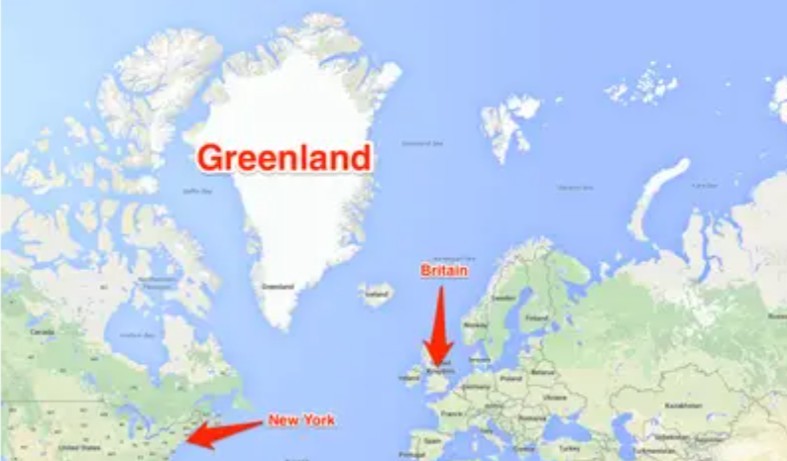
Greenland Without Tour Guides: What Independent Travelers Don’t Realize Until It’s Too Late

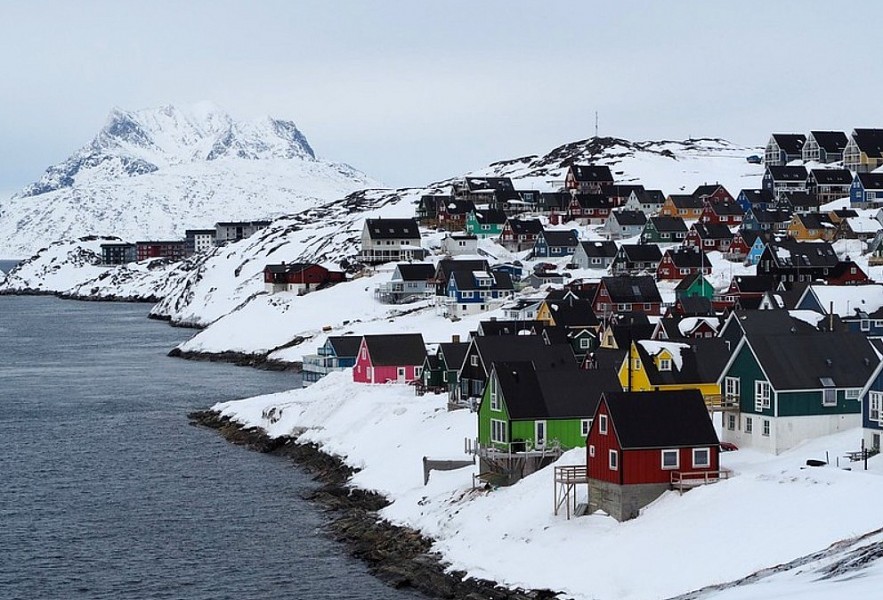 |
| Since most of Greenland is covered in ice, snow and glaciers, the Arctic nation is mostly white |
Americans love independent travel because it feels simple: book flights, rent a car, follow the map. Greenland looks like the ultimate DIY adventure, until you realize the island doesn’t run on the assumptions that make solo travel easy elsewhere.
This isn’t about fear-mongering. Greenland is safe when you plan for how it actually works. The problem is that many first-timers plan Greenland like Iceland or Alaska and find out too late that the “normal” tools don’t apply.
Here are the biggest surprises independent travelers run into, and how to avoid turning a dream trip into a logistics headache.
1) There are roads in towns, but not between towns
The single most important fact: Greenland has no road network connecting its towns. Roads exist within settlements, but you can’t drive from Nuuk to Ilulissat or Sisimiut. Getting between places is primarily by plane, helicopter, or coastal ship.
This catches Americans because distance on a map looks manageable. In reality, “close” can still mean “only by air,” and “nearby” can still mean “weather-dependent.”
Plan around transport modes, not miles. Build your itinerary by asking: What’s the actual way to travel between these two points?
2) Your itinerary is only as strong as the weather
In Greenland, weather isn’t a backdrop. It’s a decision-maker.
Flights and boats can be delayed or canceled when wind, fog, or storms move in. Visit Greenland’s official trip-planning guidance emphasizes that getting around relies on air and sea routes, and these routes follow seasonal and practical constraints.
What independent travelers miss: if you schedule tight connections like a domestic U.S. trip, one disruption can unravel the whole plan.
Fix: add buffer days. If you’re doing multiple towns, build in at least one flexible day (more in shoulder seasons).
Read more:
- Where Is Greenland? How to Get Greenland from The USA
- From Greenland to ‘Red, White, and Blueland’ – America’s Wildest Land Grab Yet?
- Where is Greenland: Why Trump’s renewed interest
3) Baggage limits are stricter than you’re used to
A lot of Greenland travel uses small aircraft. That means luggage allowances matter more than you expect.
Air Greenland’s published baggage rules list 20 kg (44 lb) checked baggage for many economy fares and 8 kg (18 lb) cabin baggage.
If you pack like you’re going skiing for two weeks, you may end up paying fees, repacking at the airport, or shipping items separately.
Fix: pack lighter, prioritize layers over bulk, and weigh your bag before you leave home.
4) The coastal ferry is real—and it’s not a casual last-minute option
Yes, Greenland has a coastal passenger ship, and it’s an incredible way to see the west coast. But it’s seasonal and operates on a schedule that doesn’t behave like a commuter ferry.
Visit Greenland notes that the Sarfaq Ittuk coastal ferry operates roughly April to December and that in summer it’s smart to book well in advance.
Fix: if you want the ferry, build your trip around its sailing dates (not the other way around), and book early for peak periods.
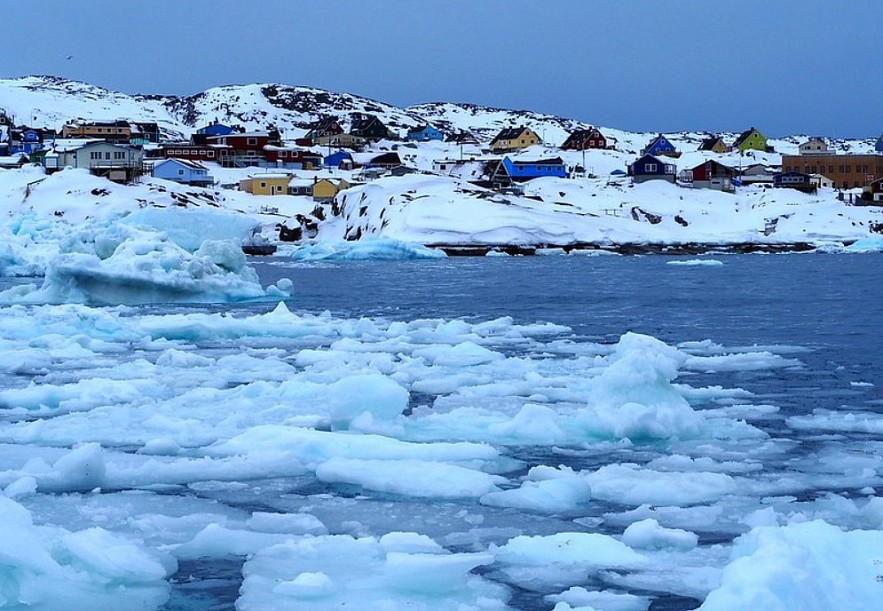 |
| Travel to Greenland |
5) “Cashless” isn’t universal—especially outside bigger towns
Greenland uses Danish kroner (DKK). Cards are widely accepted in many places, but independent travelers should not assume every settlement runs like a U.S. city.
Visit Greenland’s payment guidance recommends carrying extra cash and provides a list of towns with ATMs—helpful precisely because ATMs are not everywhere.
Fix: withdraw cash in a larger town when you can, keep a backup amount for small purchases, and don’t wait until you’re leaving for a settlement to think about money.
6) Convenience services aren’t guaranteed
In the U.S., you can solve travel friction with apps: rideshares, food delivery, late-night pharmacies. In Greenland, services depend on town size, season, and staffing. Even when something exists, hours can be limited.
This is why independent travel works best when you simplify:
-
fewer towns, longer stays
-
one “hub” town, plus day trips
-
realistic plans that allow cancellations without ruining your trip
The Greenland rule that saves trips
If you remember one principle, make it this:
In Greenland, logistics come first. Scenery comes second.
Start with transportation availability (air/ship), seasonal timing, and buffer days. Once those are solid, Greenland becomes incredibly rewarding to do independently—because you’re traveling on Greenland’s terms, not fighting them.
If you plan like a local would, you won’t need a tour guide to stay out of trouble. You’ll just need patience, flexibility, and a willingness to let the Arctic set the pace.