Could Japan’s Earthquake and Tsunami Impact the United States?

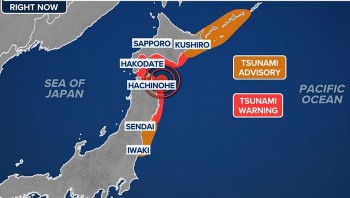 Powerful 7.6 Earthquake Strikes Northern Japan, Triggers Tsunami Waves and Large-Scale Evacuations Powerful 7.6 Earthquake Strikes Northern Japan, Triggers Tsunami Waves and Large-Scale Evacuations |
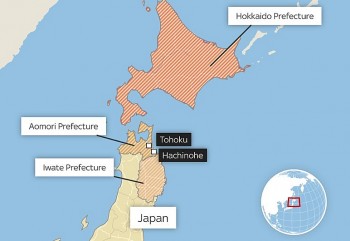 Japan Hit by Strong Quake as Tsunami Waves Reach Up to 10 Feet, Mass Coastal Evacuations Japan Hit by Strong Quake as Tsunami Waves Reach Up to 10 Feet, Mass Coastal Evacuations |
 |
| No threat to Hawaii, Alaska or the West Coast |
As of the latest assessments, scientists say there is no tsunami threat to the United States, but monitoring systems remain active across Hawaii, Alaska and the Pacific coast.
Why the Japan tsunami raised global concern
The earthquake that struck off Japan’s northern coast was strong enough — magnitude 7.6 — to create a measurable tsunami in the western Pacific. Japan reported waves more than two feet high at multiple ports, with forecasts warning of possible surges up to 10 feet in certain coastal zones.
Because Japan sits within the seismic “Ring of Fire,” major quakes there often trigger immediate international monitoring. The Pacific Tsunami Warning Center (PTWC), the U.S. Geological Survey (USGS) and NOAA’s Tsunami Program all track how energy from such events disperses across the ocean.
Even though the Pacific is vast, some past tsunamis — especially from deeper or more explosive undersea ruptures — have crossed thousands of miles. The 2011 Japan tsunami, for instance, reached Hawaii and California with waves between one and eight feet, damaging ports and marinas.
This is why American authorities respond carefully anytime a major quake hits Japan.
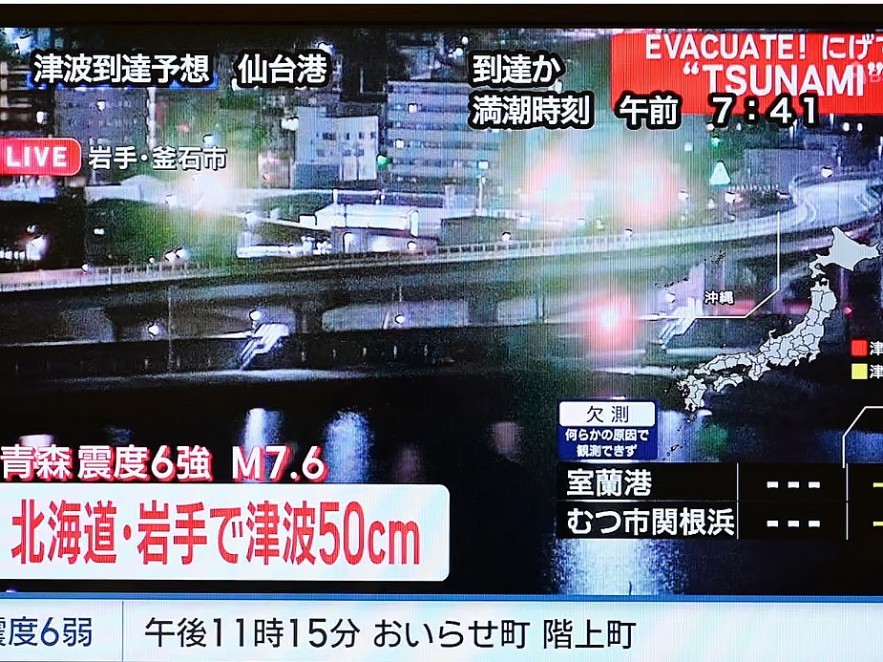 |
| Wave as high as 3 metres could hit north-east of country after powerful tremor 50 miles off coast |
Current assessment: No threat to Hawaii, Alaska or the West Coast
Based on the data available so far, U.S. tsunami experts say the energy released by this earthquake is not oriented in a way that would send a destructive wave toward the United States. The event generated strong localized waves along Japan’s northern coastline, but the pattern of the rupture does not appear to have produced the kind of basin-wide tsunami capable of crossing the Pacific with significant height.
Wave-propagation models used by NOAA indicate that:
-
Any waves reaching Hawaii would be too small to cause damage.
-
West Coast states — California, Oregon and Washington — are not expected to see abnormal sea level changes related to this event.
-
Alaska, which often receives the earliest alerts for trans-Pacific tsunamis, remains under routine monitoring but has not issued warnings or advisories.
These assessments are updated in real time, and coastal authorities maintain readiness in case later analysis reveals additional wave activity.
 |
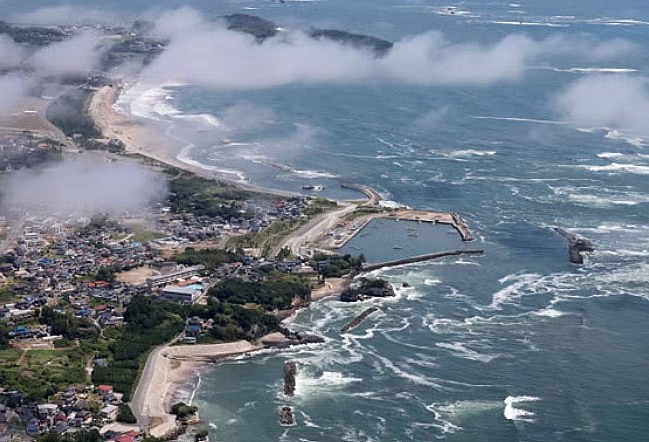
| Evacuation orders issued in Japan after powerful earthquake triggers tsunami warning |
Why this Japan quake won’t generate a U.S.-bound tsunami
Several factors determine whether a tsunami will travel across the ocean:
1. Earthquake magnitude and rupture direction
Although a magnitude of 7.6 is powerful, not all large quakes create far-reaching tsunamis. Tsunami strength depends on how much seafloor shifts vertically. Early evaluations suggest this quake produced a moderate uplift, enough to affect Japan’s coast but insufficient to send a long-traveling wave into the wider Pacific.
2. Depth of the quake
This earthquake occurred about 44–50 km below the ocean floor — relatively deep for a tsunami-generating event. Shallow quakes displace more water, creating stronger long-distance waves.
3. Geography of the rupture zone
Japan's northern coast faces into a series of continental slopes and undersea ridges that often contain wave energy rather than projecting it directly across the Pacific.
4. Tsunami gauge readings across the Pacific
Sensors placed from Guam to Hawaii to the U.S. mainland have not detected abnormal wave patterns. These devices are highly sensitive, designed to pick up deep-ocean pressure changes as small as a few centimeters.
What U.S. agencies are doing now
Even without a direct threat, U.S. coastal monitoring systems remain active:
Hawaii
Officials continue tracking deep-ocean sensors, but the state has not activated civil defense sirens or evacuation protocols. Residents are being reminded that Japan quakes often prompt precautionary monitoring, not immediate danger.
Alaska
As one of the closest U.S. regions to Japan across the Pacific, Alaska always conducts additional checks. Harbors and coastal communities have been advised to stay informed, but there are no advisories currently in effect.
West Coast (California, Oregon, Washington)
Coastal authorities have released brief statements confirming normal conditions. Marine operations, including fishing fleets and port activity, are running as usual.
U.S. Pacific Territories
Guam and the Northern Mariana Islands performed routine verification checks but report no unusual sea behavior.
Secondary effects: Could America feel aftershocks or related seismic activity?
The short answer is no.
Earthquakes do not trigger tremors on the other side of the planet, with extremely rare exceptions involving super-massive quakes (magnitude 9 or higher). The Japan quake’s aftershocks will remain localized to its tectonic region.
However, scientists note that the U.S. West Coast has its own seismic vulnerabilities. The Cascadia Subduction Zone, which stretches from California to Canada, is capable of producing a tsunami of similar scale to Japan’s 2011 event. This Japan earthquake serves as a reminder of how essential coastal preparedness remains.
How coastal residents in the U.S. can stay informed
Even during low-risk events, tsunami awareness is critical. Authorities recommend:
-
Signing up for alert systems operated by NOAA or local emergency agencies.
-
Knowing the nearest tsunami evacuation routes (posted in most West Coast communities).
-
Understanding that local earthquakes pose the highest risk — if you feel strong shaking near the coast, immediate evacuation is recommended.
Officials emphasized that people should avoid spreading unverified tsunami rumors on social media, which can cause unnecessary panic.
What scientists will watch in the next 24–48 hours
Experts will continue reviewing:
-
Deep-ocean buoy data for possible delayed wave signatures
-
Updated models of seafloor displacement
-
Aftershocks that could shift undersea geology
-
Tide-gauge records across Hawaii, Alaska and the U.S. mainland
Although no U.S. impact is expected, monitoring will continue until all models confirm stable ocean behavior.
FAQs
Is the United States under a tsunami warning because of the Japan earthquake?
No. As of the latest evaluations, there is no tsunami threat to the U.S. coastline.
Could a 10-foot tsunami from Japan reach Hawaii or California?
Not from this event. The tsunami energy is not directed toward the U.S., and wave height would be too small to cause damage by the time it crossed the Pacific.
Was a tsunami advisory issued anywhere in the U.S.?
No advisories or warnings have been issued. Monitoring continues as a precaution.
Why did Japan see significant waves if the U.S. wasn’t affected?
Tsunamis are strongest near the source. As they travel outward, they lose energy, especially if the seismic rupture is not pointing toward the open ocean.
Could aftershocks create new tsunami risks?
For Japan, yes — depending on strength and location. For the U.S., the risk remains extremely low unless another major offshore quake occurs much closer to American territory.
Should people on the West Coast do anything now?
No action is required, but staying informed through official channels is always recommended.