California’s Radar Speed Cameras: Exact Locations, Fines, and How Tickets Really Work
 How to Pay Traffic Fines Online in the U.S (2026 Guide) How to Pay Traffic Fines Online in the U.S (2026 Guide) This article is your ultimate guide to handling traffic fines smoothly and efficiently—whether it's a minor parking ticket or a more serious traffic violation. Stay ... |
After years of debate, California is officially moving forward with radar speed cameras, a technology already common in several U.S. states but long resisted on the West Coast. Unlike vague pilot programs of the past, this rollout comes with specific locations, clear enforcement rules, and defined penalties drivers should understand now.
Read more: What Does California’s New Speed Limit Law Mean for Drivers in 2026?
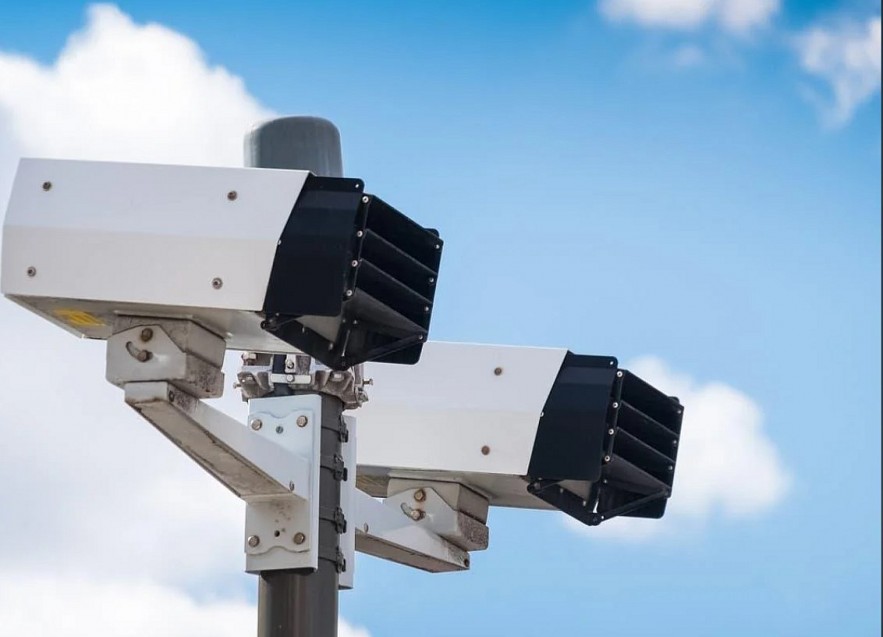 |
| California’s Radar Speed Cameras |
Where Radar Speed Cameras Are Actually Being Installed
California’s program is not statewide and not random. The law limits deployment to high-risk locations, based on crash and injury data.
Current and approved locations include:
-
Major city streets with high injury rates, especially in Los Angeles, San Francisco, Oakland, and San Jose
-
School zones, particularly near elementary and middle schools
-
Highway work zones, where construction crews face elevated risk
On freeways, cameras are only allowed inside active work zones, not across entire highways. Cities must also publish camera locations publicly and post warning signs at least 200 feet before each camera.
How Fast Is “Too Fast”?
California speed cameras are not triggered for minor speeding.
Most participating cities are expected to follow this general structure:
-
Less than 11 mph over the limit → No ticket
-
11–15 mph over → Low-level fine
-
16–25 mph over → Standard fine
-
26+ mph over → Higher fine
This threshold system is meant to target dangerous speeding rather than everyday traffic flow.
Read more: How to Check Vehicle Tickets and Fines in the U.S: 7 Easy Options
How Much Are the Fines?
California intentionally set lower fines than many other states:
-
11–15 mph over: about $50
-
16–25 mph over: about $100
-
26+ mph over: about $200
Drivers with low income may qualify for reduced fines, sometimes as low as $15–$30. Importantly, these tickets are classified as civil violations, not criminal offenses.
Will You Get Points on Your License?
In most cases, no.
Radar camera tickets in California:
-
Do not add points to your driving record
-
Do not affect insurance rates directly
-
Are issued to the registered vehicle owner, not necessarily the driver
This is a key difference from traditional traffic stops and a major reason lawmakers approved the program.
How the Technology Works in Practice
Each system combines:
-
Radar sensors to measure speed accurately
-
High-resolution cameras to capture the vehicle
-
Automated software to link speed data to a license plate
Every ticket is reviewed by a trained official before being mailed. If the image is unclear or the speed data doesn’t meet legal standards, the ticket is discarded.
California law also bans facial recognition and limits how long images can be stored.
Warning Periods and Grace Phases
During early deployment, many cities are required to issue warnings only for the first 30–60 days. These notices explain where the violation occurred and how fast the vehicle was traveling, without a fine.
Officials say this phase is meant to change behavior before strict enforcement begins.
Can You Fight a Radar Camera Ticket?
Yes. Drivers can contest tickets by mail or in court. Common defenses include:
-
Incorrect speed measurement
-
Vehicle misidentification
-
Improper signage or camera placement
Because radar systems are calibrated regularly, outright dismissal is rare, but procedural errors do occur.
Why California Took So Long
California lawmakers cite privacy, fairness, and equity concerns as reasons for the slow rollout. Unlike other states, California built in:
-
Mandatory warning signs
-
Lower fines
-
Income-based adjustments
-
No license points for most violations
Supporters argue the system is designed to reduce fatalities, not generate revenue.
What Drivers Should Remember
Radar speed cameras are predictable. They don’t hide, don’t chase, and don’t issue judgment calls.
If you:
-
Watch posted limits
-
Slow down in school and work zones
-
Pay attention to signage
You are unlikely to ever receive a ticket.
Bottom Line
Radar speed cameras are no longer theoretical in California. They are real, regulated, and expanding. For drivers, understanding where they operate and how enforcement works is now part of responsible driving — whether you like the technology or not.