Who Was Alex Jeffrey Pretti - ICU Nurse Fatally Shot by Federal Agents in Minneapolis – Latest Updates

 Why Prosecuting the ICE Agent in the Renee Good Shooting Is Unlikely Why Prosecuting the ICE Agent in the Renee Good Shooting Is Unlikely |
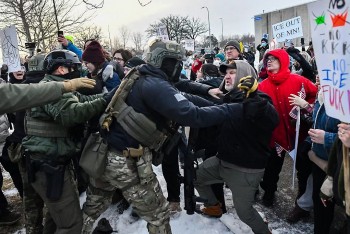 Insurrection Act, Minneapolis, and Trump Power Insurrection Act, Minneapolis, and Trump Power |
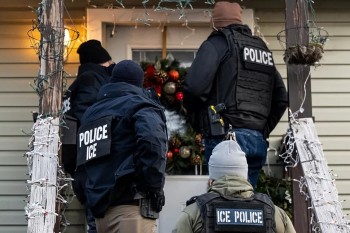 ICE Agents Explained: Who They Are, What They Do, and Why They’re Under Scrutiny ICE Agents Explained: Who They Are, What They Do, and Why They’re Under Scrutiny |
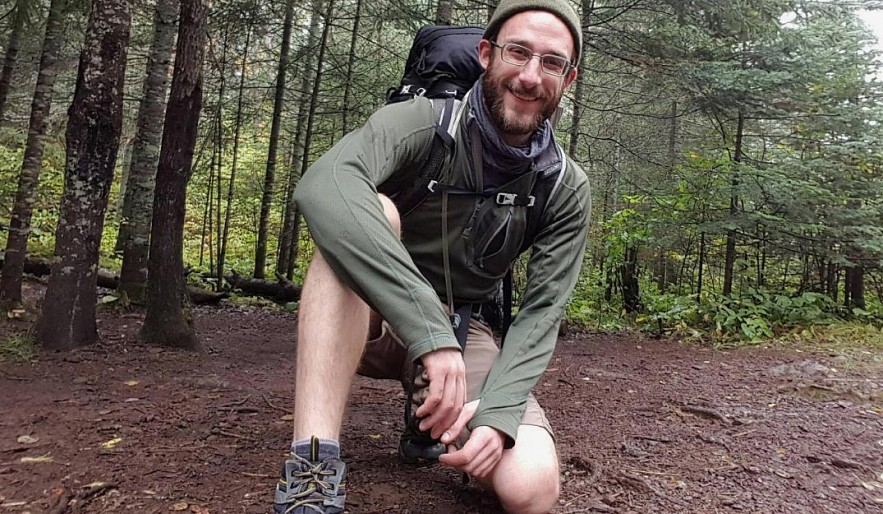 |
| Man shot and killed by federal agents identified as Alex Pretti |
The fatal shooting of Alex Jeffrey Pretti, a 37-year-old intensive care unit (ICU) nurse, by federal agents in Minneapolis has triggered public outrage, political backlash, and urgent demands for accountability. The incident, which occurred on January 24, 2026, is now under multiple investigations as authorities and the public seek clarity over what happened in the moments leading to his death.
This article presents a clear, fact-based account of who Alex Pretti was, how the shooting unfolded, and what is currently known about the case.
Read more: New Video Suggests Alex Pretti Was Disarmed Before Minneapolis Border Patrol Shooting?
Who Was Alex Jeffrey Pretti?
Alex Jeffrey Pretti was a U.S. citizen, born in 1988, and raised in Green Bay, Wisconsin. He later moved to Minneapolis, where he lived and worked for several years.
Professionally, Pretti was an ICU nurse at the Minneapolis Veterans Affairs Health Care System, caring for critically ill patients, including military veterans. Family members and colleagues described him as dedicated, calm under pressure, and deeply committed to patient care.
Before entering nursing, Pretti earned a degree from the University of Minnesota, initially working in scientific research. He later chose nursing as a career path focused on direct service to others.
There is no record of criminal history. According to family statements, Pretti legally owned a firearm and possessed a valid permit to carry.
Lost his dogPretti's family told The Associated Press that he had lost his beloved Catahoula Leopard dog recently. It was revealed that the 37-year-old was an avid outdoorsman who loved getting in adventures with Joule. |
Owned a Handgun
The Department of Homeland Security (DHS) said Alex Pretti approached Border Patrol officers while carrying a 9 mm semiautomatic handgun. Federal officials did not clarify whether Pretti pointed or brandished the weapon, and the firearm is not visible in bystander videos that captured the shooting.
Family members confirmed that Pretti legally owned a handgun and held a valid Minnesota permit to carry a concealed firearm.
Pretti’s father, Michael Pretti, said the family has struggled to obtain clear information from authorities in the aftermath of the shooting.
“I can’t get any information from anybody,” he said. “The police told us to call Border Patrol. Border Patrol is closed. The hospitals won’t answer any questions.”
No Criminal Record
Alex Pretti was born in Illinois and, according to court records, had no criminal history.
Minneapolis police said Pretti’s only prior interactions with law enforcement involved minor parking violations, with no arrests or criminal charges on record.
His parents, who live in Wisconsin, said they had recently spoken with their son and urged him to be cautious while attending protests, reflecting growing concern about heightened law enforcement activity in Minneapolis.
Video: The Minneapolis man shot and killed by a Border Patrol agent today has been identified as Alex Pretti
What Happened on January 24, 2026
Location and Context
The shooting occurred in south Minneapolis, an area experiencing heightened law enforcement activity due to a large-scale federal operation involving immigration enforcement.
Federal personnel on the scene were associated with the Department of Homeland Security and U.S. Border Patrol, operating under a multi-agency deployment.
The Encounter
According to federal officials, agents encountered Pretti during overnight operations. Authorities stated that Pretti approached agents while armed and failed to comply with commands to drop his weapon.
Federal agents then discharged their firearms, fatally wounding him. Emergency medical aid was rendered, but Pretti was pronounced dead at the scene.
A handgun and ammunition were later recovered. Officials confirmed the firearm was legally owned.
Read more: Trump Defends Federal Agents After Alex Pretti Shooting in Minnesota
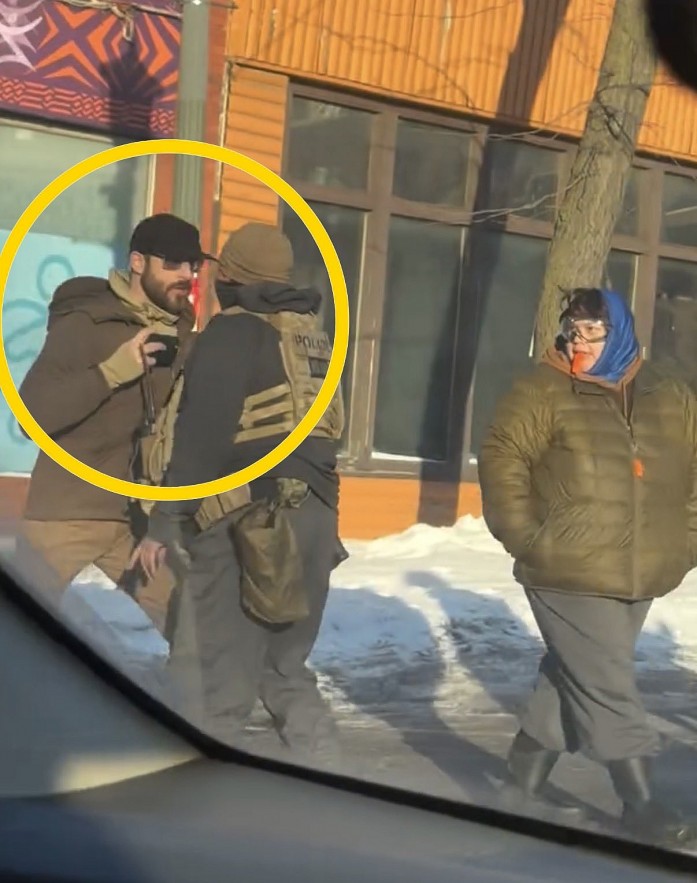 |
| Alex Pretti |
Disputed Accounts and Video Evidence
While federal authorities described the shooting as an act of self-defense, the official account has been challenged.
Video footage shared on social media appears to show Pretti holding an object that resembles a cell phone, not a gun, moments before shots were fired. The video does not conclusively show a firearm in his hands at the time of the confrontation.
Witnesses in the area reported confusion and rapid escalation, stating that commands, if given, were unclear or issued within seconds before gunfire.
These discrepancies have become central to public concern and ongoing investigations.
Family Response
Pretti’s family learned of his death through media inquiries before receiving full official notification, a fact that has drawn criticism of authorities’ handling of communication.
In public statements, family members emphasized that Alex was a healthcare worker, not involved in criminal activity, and had attended recent public demonstrations opposing aggressive federal enforcement policies.
The family has called for:
-
Release of all body-camera and surveillance footage
-
An independent investigation
-
Clear disclosure of rules of engagement used by federal agents
They have stated they are considering legal action depending on investigative outcomes.
Official and Political Reaction
Local and state officials in Minnesota responded swiftly.
The Mayor of Minneapolis and Minnesota’s governor publicly criticized the federal operation, questioning why heavily armed agents were deployed in residential neighborhoods without coordination with local law enforcement.
State leaders demanded that the scene be turned over immediately to state investigators. Federal agencies initially restricted access, which further escalated tensions.
The Minnesota Bureau of Criminal Apprehension has since opened a parallel investigation, alongside a federal internal review.
Public Protests and Community Impact
Following news of Pretti’s death, protests erupted across Minneapolis. Demonstrators gathered near the shooting site and downtown government buildings, demanding accountability and the withdrawal of federal agents.
Law enforcement used crowd-control measures, but protests remained largely peaceful. The incident has intensified broader debates over:
-
Federal policing authority
-
Use of lethal force
-
Transparency in federal law enforcement operations
Community leaders have warned that trust between residents and authorities has been severely damaged.
Current Status of the Investigation
As of the latest update:
-
Federal agents involved have not been publicly identified
-
No charges have been filed
-
Body-camera footage has not been fully released
-
Multiple investigations are ongoing at the federal and state levels
Legal experts note that the case may result in civil litigation, even if criminal charges are not pursued.
Why the Case Matters
The killing of Alex Jeffrey Pretti stands out because:
-
He was a healthcare worker and U.S. citizen
-
The shooting involved federal, not local, law enforcement
-
Conflicting evidence has emerged quickly
-
It occurred amid expanded federal enforcement operations
The outcome of this case could influence future federal policing practices and oversight nationwide.
Conclusion
Alex Jeffrey Pretti was an ICU nurse whose life ended during a disputed encounter with federal agents in Minneapolis. What happened in those final moments remains under investigation, but the impact of his death is already clear.
For his family, it is a personal tragedy. For Minneapolis, it is another flashpoint in a growing crisis of trust. And for the nation, it is a case that raises urgent questions about accountability, transparency, and the use of deadly force.