Jewish Holidays and Traditions Explained: From Passover to Hanukkah

 Jewish Americans: Identity, Politics, and Diversity Jewish Americans: Identity, Politics, and Diversity |
 Where Do Jews Live? Top Countries with the Largest Jewish Populations Where Do Jews Live? Top Countries with the Largest Jewish Populations |
 How Many Jews Are There in the World Right Now? How Many Jews Are There in the World Right Now? |
They are a living system of memory, identity, and tradition that has connected Jewish communities across centuries and continents.
These traditions continue to shape both religious and cultural life—especially among Jewish Americans, where identity often blends faith, heritage, and modern values.
What Makes Jewish Holidays Unique?
Jewish holidays follow the Hebrew calendar, a lunisolar system based on both the moon and the sun. This means:
- Dates change each year on the Gregorian calendar
- Most holidays begin at sunset
- Many observances last multiple days
This structure reflects an ancient worldview where time itself is sacred—not just measured.
The Most Important Jewish Holidays Explained
Rosh Hashanah (Jewish New Year)
Rosh Hashanah marks the beginning of the Jewish year and a period of reflection.
It is both hopeful and serious, focused on:
- Self-examination
- Renewal
- Spiritual reset
Traditions include hearing the shofar and eating symbolic foods like apples with honey.
Yom Kippur (Day of Atonement)
Yom Kippur is the holiest day in Judaism, centered on repentance and forgiveness.
Key practices:
- 25-hour fast
- Prayer and synagogue services
- Seeking forgiveness from others
Even less religious Jews often observe this day, highlighting its deep cultural importance.
Passover (Pesach)
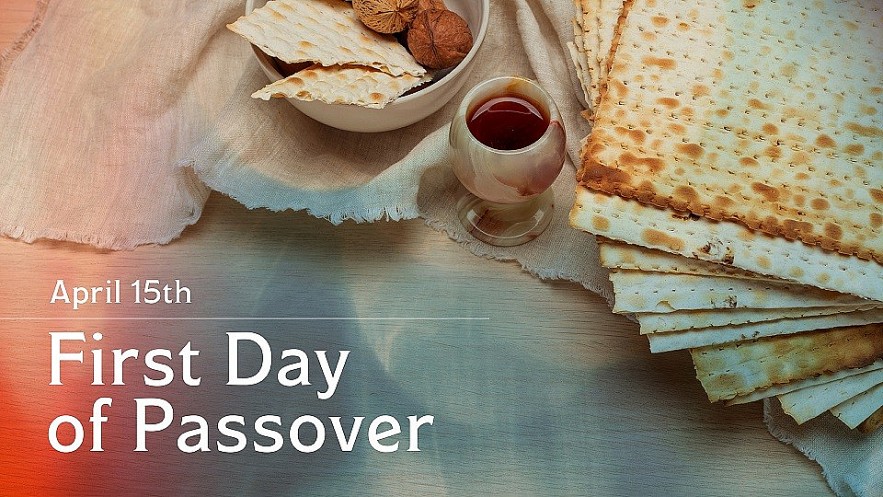 |
| First day of Passover |
Passover commemorates the liberation of the Israelites from slavery in Egypt.
At the heart of the holiday is the Seder meal, where families:
- Retell the Exodus story
- Eat symbolic foods
- Engage children through questions and storytelling
Passover is widely observed because it combines history, family, and universal themes of freedom.
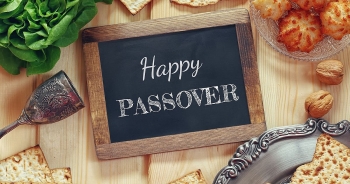 Passover Holiday: Meaningful Quotes, Best Wishes and Sweet Messages Passover Holiday: Meaningful Quotes, Best Wishes and Sweet Messages |
Sukkot (Festival of Booths)
Sukkot is a lesser-known but deeply meaningful holiday.
Families build temporary shelters called sukkahs, symbolizing:
- Life’s fragility
- Dependence on faith
- Gratitude
It is both a harvest festival and a philosophical reminder about human vulnerability.
Hanukkah (Festival of Lights)
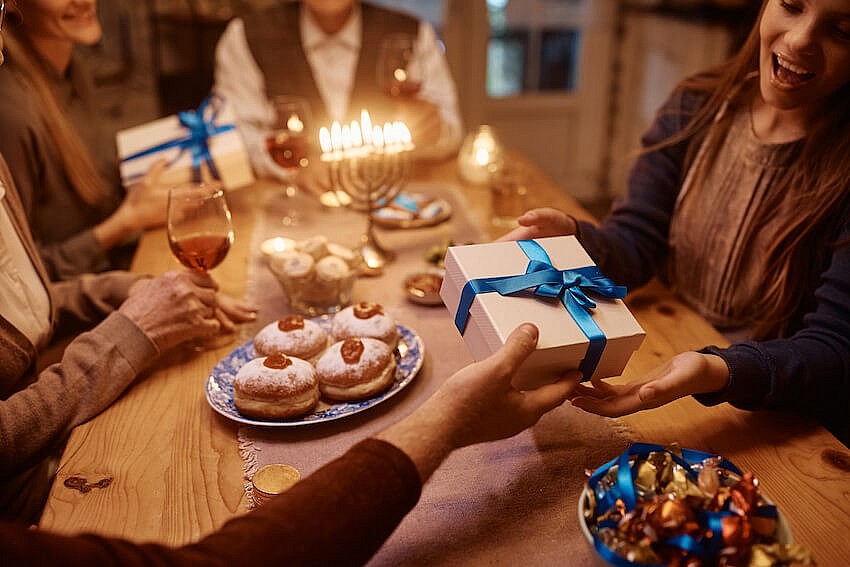 |
| Family celebrating Hanukkah |
Hanukkah celebrates resilience and religious freedom.
Traditions include:
- Lighting the menorah for eight nights
- Playing dreidel
- Eating oil-based foods
While widely celebrated, especially in the United States, Hanukkah is not the most religiously significant holiday—but it is culturally prominent.
Shabbat: The Weekly Tradition That Defines Jewish Life
Beyond annual holidays, Shabbat (the Sabbath) is central to Jewish tradition.
Observed from Friday evening to Saturday evening, it is a time to:
- Rest from work
- Share meals with family
- Disconnect from daily stress
In modern life, Shabbat is often adapted—but its core purpose remains: pause and reconnect.
Religious vs Cultural Judaism
Today, Jewish identity is diverse.
According to the Pew Research Center:
- Many Jews identify culturally rather than religiously
- Some observe traditions without strict religious belief
- Others follow religious law closely
This means Jewish holidays can look very different across households—but still carry shared meaning.
Why Jewish Holidays Still Matter Today
In a fast-paced world, Jewish traditions offer something increasingly rare:
- Time to reflect (Yom Kippur)
- Time to rest (Shabbat)
- Time to remember history (Passover)
- Time to celebrate resilience (Hanukkah)
They are not just rituals—they are tools for meaning.
The Bigger Picture
Jewish holidays and traditions have survived for thousands of years not because they stayed the same—but because they adapted.
Today, they continue to evolve across countries, cultures, and generations—while preserving a deep connection to history and identity.
That balance between continuity and change is what keeps them alive.