911 Explained: What Is the U.S. Emergency Number, How It Works, and the True Stories Behind It

 A Drone Crashing at New York City's Empire State Building: The Truth and Social Media Buzz A Drone Crashing at New York City's Empire State Building: The Truth and Social Media Buzz Reports of a drone crashing into New York City's iconic Empire State Building surfaced on social media Friday evening, sparking concern and curiosity. |
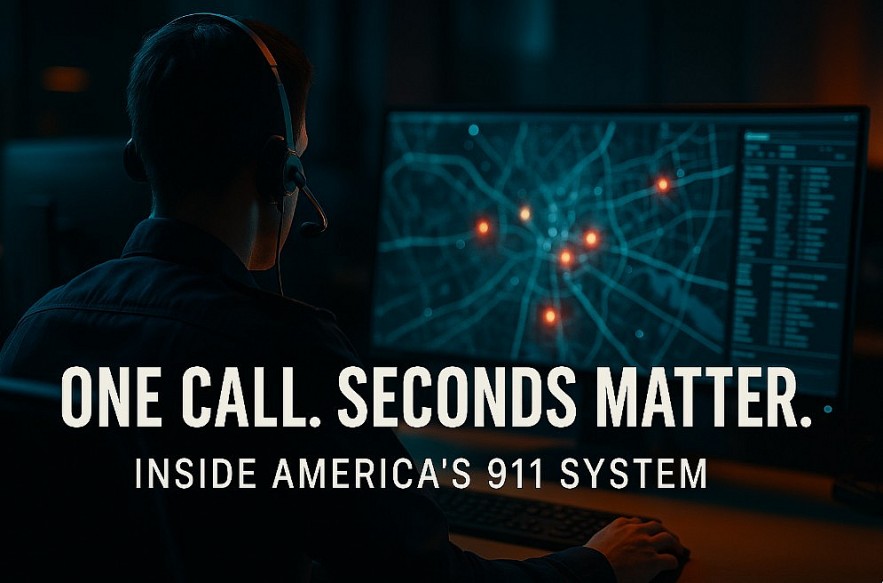 |
| Inside America’s 911 System |
911 Is Not Just a Number
In the United States, 911 is the single, nationwide emergency number used to request immediate help from police, firefighters, or emergency medical services. It is designed for situations where life, safety, or property is in immediate danger.
What makes 911 special is not only speed, but simplicity. Three short digits, easy to remember even under extreme stress. For millions of Americans, dialing 911 is the first instinct in a crisis.
Yet behind those three numbers is a complex national system, decades of history, advanced technology, and thousands of unseen professionals working around the clock.
Little-Known and Interesting Facts About 911911 works without a phone plan. Most mobile phones can call 911 even without service. Children are taught 911 early. Many schools teach kids how and when to call. Accidental 911 calls are common. Smartwatches and pocket dials generate millions each year. Dispatchers face extreme stress. They handle trauma daily, often without closure or recognition. 911 is not global. Other countries use different numbers like 112, 999, or 111. |
Why the United States Needed 911
Before 911 existed, emergency response in America was fragmented and inefficient.
In the early 20th century, people had to:
-
Look up local police or fire numbers in phone books
-
Remember different numbers for different services
-
Dial manually during moments of panic
This caused confusion and deadly delays. As cities grew larger and phone networks expanded, the problem became worse.
In 1957, the National Association of Fire Chiefs officially called for a single emergency number. The idea was simple: one number, everywhere, for all emergencies.
After years of discussion, in 1967, the Federal Communications Commission (FCC) and AT&T selected 911. The number was:
-
Short
-
Easy to dial on rotary phones
-
Not already in widespread use
The First 911 Call in History
The first 911 call was made on February 16, 1968, in Haleyville, Alabama.
It was not a real emergency. Instead, it was a demonstration to prove the system worked.
-
The caller: Alabama State Representative Rankin Fite
-
The receiver: Congressman Tom Bevill
-
The goal: make history
Ironically, a small town in Alabama beat major U.S. cities to the first 911 system because a local phone company moved faster than AT&T.
Nationwide adoption took time. Many rural areas did not gain full 911 coverage until the late 1990s.
How the 911 System Works (Step by Step)
Step 1: Dialing 911
When you dial 911 from a phone, your call is routed to the nearest Public Safety Answering Point (PSAP). A PSAP is a specialized emergency call center, not a regular office.
Step 2: The Dispatcher Answers
A trained 911 dispatcher answers the call. Their job is to stay calm, gather critical information, and control the situation.
They focus on three priorities:
-
What is happening?
-
Where is it happening?
-
Who needs help?
Step 3: Dispatching Help
Based on the information, the dispatcher sends:
-
Police
-
Firefighters
-
Ambulances
-
Or multiple agencies at once
In many cases, responders are dispatched before the call even ends.
Step 4: Staying on the Line
Dispatchers often remain on the call to:
-
Give CPR instructions
-
Help stop bleeding
-
Guide people to safety
-
Monitor changing conditions
Dispatchers are often called “the first first responders” because they begin saving lives before help arrives.
Enhanced 911 (E911): How Location Tracking Works
Early 911 systems had a major weakness: dispatchers could not automatically see a caller’s location.
This changed with Enhanced 911 (E911).
What E911 Can Do
-
Displays the caller’s phone number
-
Shows the approximate location
-
Works for both landlines and mobile phones
For landlines, the address is usually exact. For mobile phones, location accuracy has improved using:
-
GPS
-
Cell tower triangulation
-
Wi-Fi signals
This technology has dramatically reduced response times and saved countless lives.
Text-to-911 and the Future of Emergency Calls
Many U.S. regions now support Text-to-911, allowing people to send emergency text messages instead of calling.
This is especially useful when:
-
Speaking could increase danger
-
The caller has a hearing or speech disability
-
The environment is too loud
However, not all areas support it yet. Voice calls remain the fastest and most reliable option whenever possible.
The next phase, known as Next Generation 911 (NG911), aims to support:
-
Video calls
-
Photos from the scene
-
Real-time medical and vehicle data
When You Should Call 911 (And When You Should Not)
Call 911 If:
-
Someone is unconscious or badly injured
-
A crime is happening now
-
There is a fire, explosion, or major accident
-
A person is in immediate danger
Do Not Call 911 For:
-
Minor noise complaints
-
Non-urgent medical advice
-
General questions or customer service
Misusing 911 can delay real emergencies and overload dispatch centers.
The Biggest Challenges Facing 911 Today
Despite its importance, the 911 system faces serious issues:
-
Chronic underfunding
-
Staff shortages and burnout
-
Aging technology in rural areas
-
Rising call volumes, including non-emergencies
Modernizing the system is essential to keep pace with population growth and new technology.
Why 911 Still Saves Lives
911 works because it combines:
-
Simple design
-
Advanced technology
-
Human judgment under pressure
In moments of chaos, people do not think clearly. A short, familiar number bridges the gap between danger and help.
For over 50 years, 911 has remained one of the most effective public safety systems ever created.
FAQs About the 911 Emergency Number
Is calling 911 free?
Yes. All emergency calls to 911 are free.
Can I call 911 from a locked phone?
In most cases, yes. Emergency calls are allowed even when phones are locked.
What if I call 911 by mistake?
Stay on the line and explain. Hanging up may cause authorities to check on you.
Is 911 the same in every country?
No. 911 is mainly used in the United States and Canada.
Can I request police, fire, or ambulance specifically?
You can ask, but the dispatcher decides what services are needed.